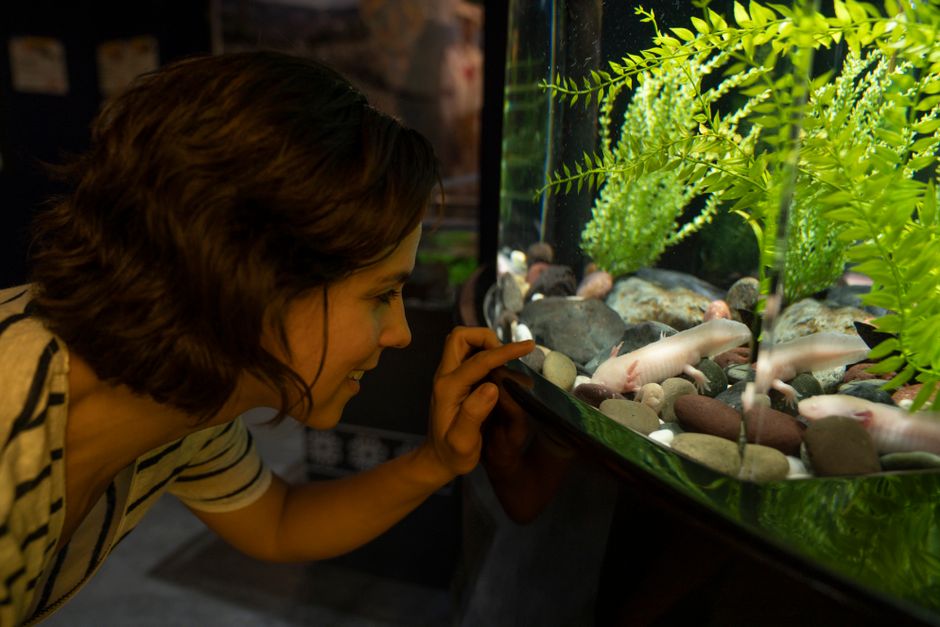
Axolotl Tank Mates: Safe Options and Big Risks
Finding compatible axolotl tank mates is one of the most common challenges new owners face when setting up an aquatic home. In almost every case, axolotls do best living completely alone because their delicate, feathery gills attract hungry fish, and their instinct to snap at anything moving leads to dangerous choking hazards. While a bustling community tank looks exciting, mixing an axolotl with other species usually ends in stress, serious injury, or sudden illness for your aquatic pet.
Can Axolotls Have Tank Mates?
Axolotls should generally live alone because they are solitary ambush predators with fragile anatomy and specialized environmental needs. In the wild, they occupy calm, cool waters where they snap at passing food, not community environments where they socialize with other aquatic species.
Their soft, exposed external gills look like delicious worms to almost every species of fish. Even docile aquarium fish will nibble on these feathery stalks when the axolotl rests quietly on the substrate. Damaged gills bleed easily, invite fungal infections, and cause intense chronic stress that weakens the animal's immune system over time.
At the same time, an axolotl hunts by vacuum suction. When anything drifts past its mouth, it snaps forward and inhales water along with whatever is nearby. If another creature fits in an axolotl's mouth, your pet will try to eat it, regardless of whether that creature has sharp fins, toxic skin, or a hard protective shell.
Why Fish Make Dangerous Axolotl Tank Mates
Fish make dangerous tank companions because they nip at external gills, introduce foreign parasites, and can cause fatal choking or internal puncture wounds if swallowed. Placing fish in an axolotl enclosure creates constant risks that rarely end well for either pet.
Gill Nipping and Slime Coat Damage
Small schooling fish like tetras, minnows, or guppies often look peaceful, but they are opportunistic feeders. When an axolotl sits motionless at the bottom of the tank, these fish cannot resist picking at the floating gill filaments. Over several days, repeated nipping strips away the gill branches, leaving raw nubs that make breathing difficult.
Larger, slow-moving bottom dwellers present an even worse hazard. Sucker-mouthed catfish, like plecos, are famous for latching onto the flat bodies of resting amphibians. These fish rasp away the protective slime coat, leaving open wounds that quickly develop life-threatening bacterial infections. Similar to skin sensitivity in tree frogs, where environmental stress might cause issues like a White's tree frog turning brown, an axolotl's permeable skin absorbs harmful bacteria very quickly from any surface abrasion.
Choking and Impaction from Spiny Fins
Axolotls do not chew their meals before swallowing. When an axolotl snaps at an aquatic companion, it pulls the entire animal into its throat within a fraction of a second.
Many freshwater fish carry stiff, defensive spine rays on their dorsal and pectoral fins. When swallowed, these spines lock open inside the axolotl's mouth, throat, or stomach lining. This causes painful perforations, internal bleeding, and choking that often requires emergency veterinary surgical intervention to resolve.
Can Snails or Shrimp Live with Axolotls?
Snails are unsafe because their hard shells pose a severe impaction risk, while shrimp can serve as temporary live enrichment rather than permanent companions. Any invertebrate you place in the tank must be chosen with extreme care to avoid digestive blockages.
Hard-shelled snails are among the most frequent causes of emergency surgery in captive axolotls. An axolotl will easily vacuum up a nerite, mystery, or apple snail from the glass or substrate. Once swallowed, the round, dense shell cannot pass through the narrow digestive tract, causing a complete blockage that can prove fatal without prompt veterinary care.
Freshwater shrimp, such as ghost shrimp or cherry shrimp, present a much lower physical danger because their exoskeletons are soft and easily digested. However, you should never expect shrimp to survive long term as peaceful friends. Your axolotl will actively hunt them, turning a cleaning crew into a midnight snack within a matter of hours or days. If you do offer shrimp, quarantine them in a separate tank first to ensure they do not introduce parasites.
Can Two Axolotls Live in the Same Tank?
Housing two axolotls together can work successfully, but only if both animals are fully grown adults of the same size and sex, housed in a spacious tank with separate hiding zones. Younger individuals and mismatched pairs should never share an enclosure.
Juvenile axolotls are notoriously nippy and will bite off each other's feet, limbs, and external gills during normal feeding frenzies. While axolotls possess amazing regenerative abilities, regrowing lost limbs consumes vast amounts of metabolic energy and opens the door to secondary fungal blooms.
Even with mature adults, accidents happen during feeding time. If you plan to keep more than one adult axolotl in a shared aquarium, run through this practical checklist first:
- Confirm that both axolotls are equal in physical length and body width so neither views the other as food.
- Provide plenty of water volume and floor space, allowing each animal room to establish its own territory.
- Add multiple wide hides on opposite ends of the aquarium so your pets can rest completely out of sight from one another.
- Separate male and female pairs to prevent chronic breeding stress, which drains a female's calcium stores and shortens her lifespan.
- Feed them on opposite sides of the tank using tongs to prevent them from snapping at the same food item by mistake.
How to Enrich a Solitary Axolotl Tank
The best way to provide an engaging life for your pet without risky axolotl tank mates is through diverse aquascaping, varied physical textures, and safe environmental enrichment. A lone axolotl does not experience social loneliness, so your focus should stay on physical comfort and security.
Much like managing stress in a terrestrial amphibian, such as troubleshooting a Pacman frog not eating, keeping your axolotl's environment calm is essential for long-term health. These animals thrive when they feel secure in their territory, and adding proper decor provides mental stimulation without any threat of physical harm.
Here are the safest ways to enrich your axolotl's habitat:
- Add smooth terracotta pots, ceramic caves, or large aquatic tunnels where your pet can rest away from bright ambient room lighting.
- Introduce live, cold-tolerant plants like java fern or anubias attached to smooth driftwood, which axolotls love to use as resting hammocks.
- Use bare-bottom glass or very fine aquarium sand, avoiding gravel or small stones that cause life-threatening intestinal impaction if accidentally swallowed.
- Vary your feeding routine with safe live foods such as clean earthworms or nightcrawlers, wiggling them gently on tongs to stimulate natural hunting behavior.
Always research the adult space and water cooling requirements of this unique species before bringing one home, and consult an exotic-animal veterinarian whenever your pet shows signs of physical trauma or illness.
Final Thoughts
Choosing the right axolotl tank mates means recognizing that solitary living is almost always the healthiest, safest choice for your pet. By focusing on smooth hides, cold clean water, and safe environmental enrichment instead of tank companions, you keep your pet free from unnecessary injuries and stress. Explore more RarePetCare guides to learn practical tips for keeping your favorite aquatic and exotic pets thriving.
Frequently Asked Questions
Can axolotls live with goldfish?
No, goldfish produce heavy amounts of waste, frequently nip at an axolotl's gills, and pose a severe choking risk if swallowed.
Can an axolotl live with a pleco?
No, plecos often latch onto an axolotl's body to eat its protective slime coat, causing serious skin lesions and secondary infections.
Do axolotls get lonely when kept alone?
No, axolotls are naturally solitary animals that do not possess social flocking instincts and experience much less stress living alone.
Can ghost shrimp hurt an axolotl?
Ghost shrimp cannot hurt an axolotl, but your axolotl will quickly hunt and eat them as live prey.
Explore More Amphibians Guides
 🐸Amphibians
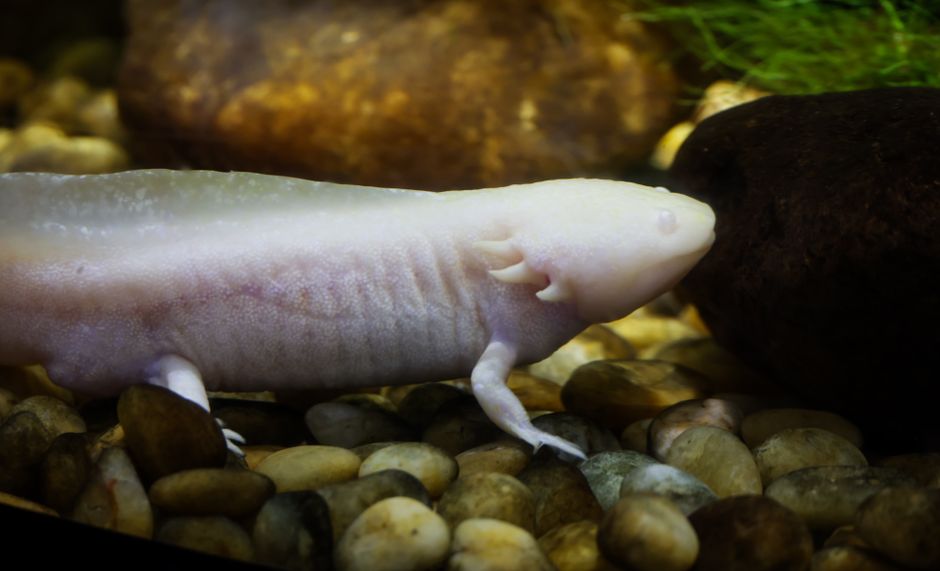
Hellbender Salamander Guide: Facts, Habitat, Care
Meet the hellbender salamander, North America's largest aquatic amphibian known as the snot otter, and discover why rivers need them.
 🐸Amphibians
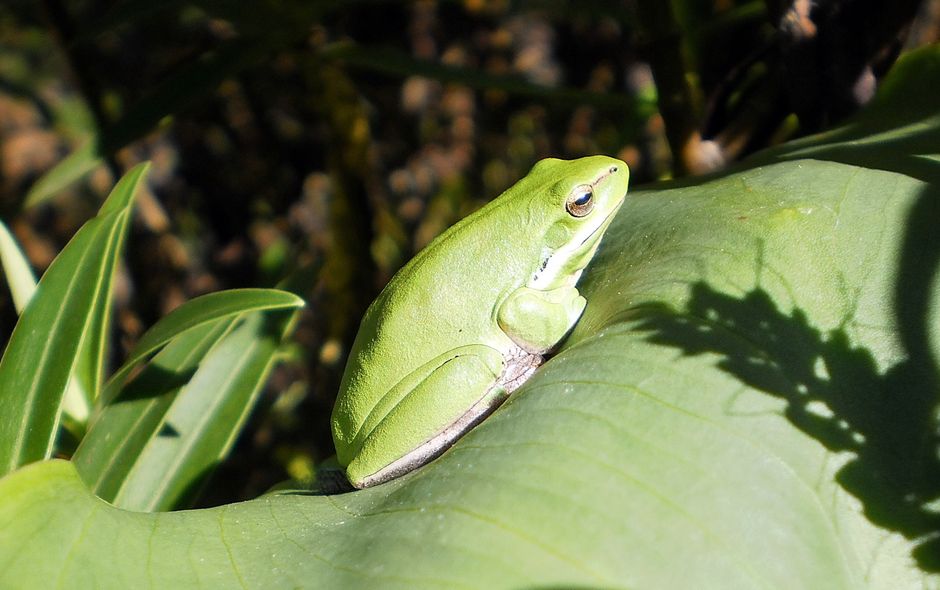
What Do White's Tree Frogs Eat? Complete Diet Guide
Discover the ideal feeder insects, safe portion sizes, and feeding schedules to keep your pet White's tree frog healthy and thriving.
 🐸Amphibians
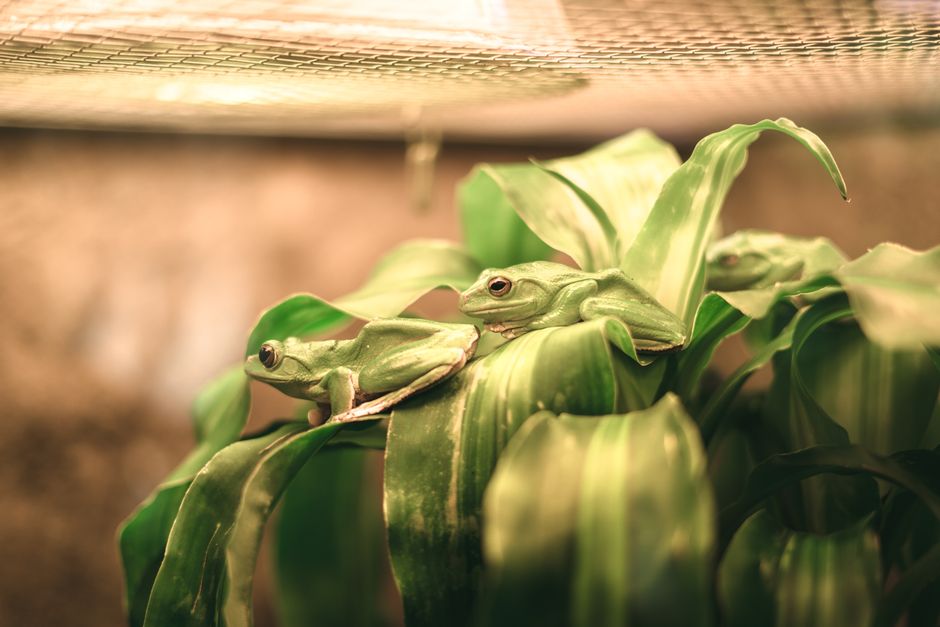
White's Tree Frog Habitat Setup: Beginner Guide
Build the ideal White's tree frog habitat setup with proper tank size, gentle heat, humidity control, and safe substrate choices.