How Active Are Snakes? Daily Routine and Sleep Facts
Understanding Snake Energy and Movement
New reptile owners often wonder how active are snakes during a normal day. Most snakes are active for only one to three hours in a twenty-four hour period, spending the remaining time resting, digesting, or waiting in ambush. Their biology is built around extreme energy conservation rather than constant movement.
If you watch your pet snake inside its terrarium, you might feel like nothing is happening. Snakes often stay coiled in the exact same corner from morning until night. It is easy to assume they are bored or unwell, but this calm behavior is actually a sign of a content reptile.
Wild snakes operate on the same principle. Constant roaming burns precious calories and exposes a snake to predators like hawks and mammals. By staying still inside a secure shelter, a snake preserves energy for digestion, growth, and hunting.
How Many Hours a Day Are Snakes Active?
On average, most snake species are truly active for roughly one to four hours each day. This active window varies depending on whether the snake is actively hunting, digesting a recent meal, or searching for a mate during the breeding season.
For pet reptiles, daily movement is even more focused. A captive snake does not need to search vast territories for prey or escape predators. Once they explore their enclosure, check their thermal gradient, and drink water, their daily agenda is largely finished.
Digestion Slows Down Activity
Digesting a whole prey item requires massive amounts of internal metabolic energy. After eating, a snake will often stay completely still on the warm side of its enclosure for three to five days straight. Moving around during this time diverts blood flow away from the gut, which can cause regurgitation or digestive upset.
Pet parents should avoid handling their animals during this post-meal rest window. Giving your pet uninterrupted peace ensures its digestive enzymes work efficiently. If you plan your travel schedule around these natural quiet periods, check our guide on leaving a reptile alone safely for helpful enclosure prep tips.
Do Snakes Sleep All Day?
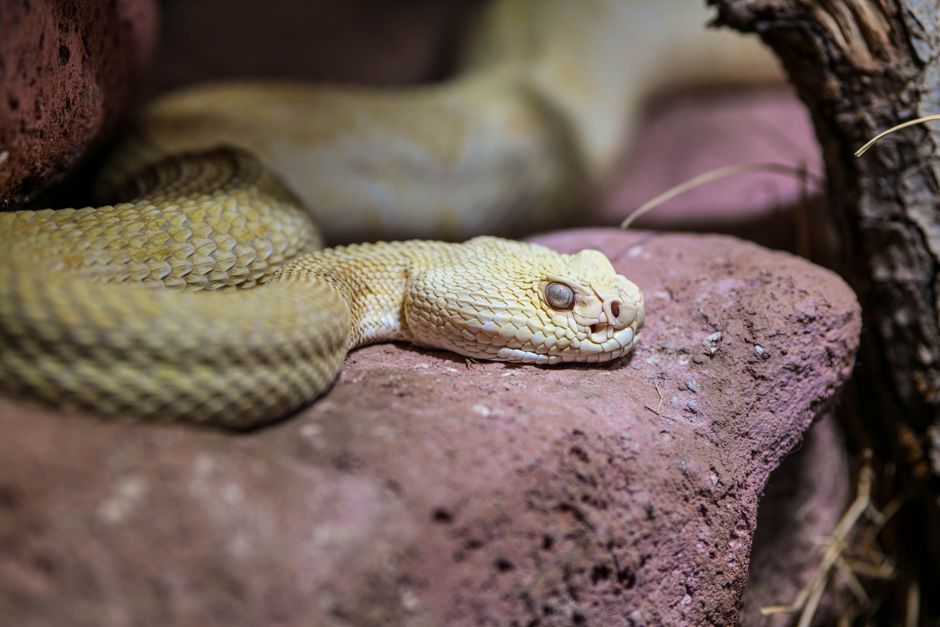
Snakes do not sleep all day, but they do enter long states of quiet resting and dormancy that look identical to deep sleep. Because snakes lack movable eyelids, their eyes remain open around the clock, making it difficult for owners to tell when their pet is truly asleep.
Instead of true eyelids, snakes have clear scales called spectacles or brilles protecting their corneas. When a snake is resting, its brain activity drops and its breathing slows down significantly. You can often tell a snake is sleeping when its tongue stays inside its mouth and its neck muscles fully relax against the substrate.
A snake in this resting state will quickly wake up if it detects ground vibrations or a sudden shift in ambient light. This light sleep state allows them to respond instantly to potential threats while still giving their central nervous system time to recover.
What Triggers Snake Daily Activity Patterns?
Snake activity patterns are primarily triggered by light cycles, temperature shifts, feeding schedules, and natural species traits. Different species have evolved specific internal clocks to maximize their hunting success while avoiding extreme weather.
Understanding your pet's natural clock helps you know when to expect movement and when to leave them alone. These daily rhythms generally fall into three categories:
- Diurnal snakes: Species like garter snakes and racers are active during daylight hours when basking temperatures are warmest.
- Nocturnal snakes: Many pythons and boas wake up after sunset to hunt in cooler night temperatures.
- Crepuscular snakes: Animals like corn snakes and rat snakes show their highest energy during dawn and dusk.
Temperature plays an equally critical role in how active are snakes throughout the week. Because reptiles are ectothermic, they rely entirely on external heat to raise their core body temperature. If an enclosure is too cold, a snake becomes sluggish and inactive. If the enclosure is too hot, the snake may pace constantly trying to find a cool retreat.
How to Tell Normal Resting from Lethargy
Normal resting occurs when a snake stays still in a hide box but reacts with alert posture and tongue-flicking when gently disturbed. Lethargy is an abnormal medical state where a snake feels limp, fails to right itself when turned over, or shows no interest in its surroundings.
Healthy resting snakes still maintain strong muscle tone. Even while coiled, their body feels firm and responsive to gentle touch. A lethargic snake, by contrast, may lie awkwardly in the open without using its hides, drag its tail, or breathe with an open mouth.
Always research the specific adult environmental needs of your chosen species before bringing one home. Providing a proper thermal gradient, clean water, and secure hides on both the warm and cool sides prevents chronic stress. If your snake suddenly stops moving entirely, loses body condition, or refuses food for extended periods outside of normal seasonal changes, consult an exotic-animal veterinarian for a thorough checkup.
Final Thoughts
Understanding how active are snakes helps every reptile keeper appreciate the quiet beauty of these animals without feeling anxious about their slow daily pace. A calm, resting snake is usually a healthy snake that feels secure in its habitat. Explore our other reptile care guides on RarePetCare to learn more about keeping your exotic companions thriving and happy.
Frequently Asked Questions
How can I tell if my snake is sleeping?
You can tell a snake is sleeping when it remains completely motionless with its tongue tucked away and its body muscles visibly relaxed. Its open eyes will stay still without tracking movement in the room.
Is it normal for a pet snake to hide for days?
Yes, it is completely normal for a snake to stay inside its hide for several days, especially while digesting a meal or preparing to shed. As long as the snake maintains good muscle tone and proper body weight, hiding is natural behavior.
Do snakes become more active when they are hungry?
Yes, many snakes become noticeably more active and pace their enclosures when they are searching for food. Once fed, their activity level drops dramatically as they retreat to digest.
Why is my snake suddenly moving around constantly?
A snake that suddenly paces its enclosure may be experiencing incorrect habitat temperatures, high humidity, dirty substrate, or an urge to find a mate. Check both your warm and cool side temperatures right away to ensure your reptile is comfortable.
Explore More Reptiles Guides
 🦎Reptiles
Bobcat vs Rattlesnake: How Bobcats Hunt Them
Camera trap photos captured a rare bobcat vs rattlesnake faceoff, showing how agile wildcats take down heavy venomous snakes.
 🦎Reptiles
Two-Headed Turtle: Causes, Survival, and Care
Discover what causes a two-headed turtle to hatch, the survival hurdles they face, and how caretakers support these rare hatchlings.
 🦎Reptiles
Baby Sea Turtles in a Pool: Why It Happens and Next Steps
Discover why baby sea turtles wander into backyard swimming pools, what chlorine does to them, and how to safely respond.