Leaving a Reptile Alone: Safe Care Guide for Pet Parents
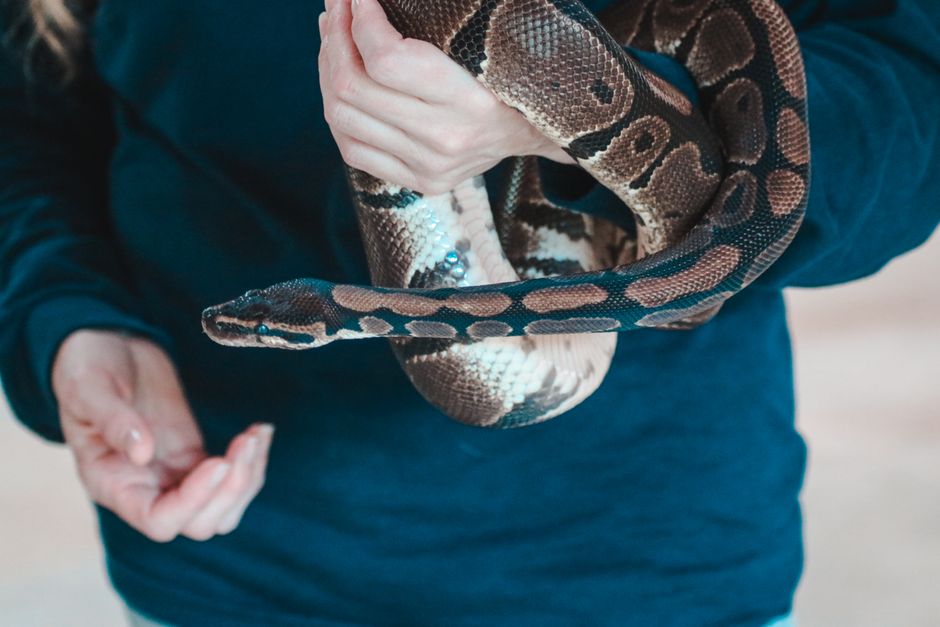
Planning a trip away from home brings up plenty of questions for exotic pet parents. Leaving a reptile alone is possible for short periods, but safety depends on species, age, enclosure automation, and reliable environmental controls. Adult snakes may handle a few days alone without issue, while young lizards or high-humidity species need daily care.
Before you pack your bags, you need a clear safety plan. Reptiles rely entirely on their heating, lighting, and humidity equipment to stay healthy. A single failed bulb or tipped water bowl can cause serious trouble quickly. Here is what you need to know to keep your scaled friend safe while you are away.
How Long Can You Leave a Reptile Alone?
Most healthy adult reptiles can safely stay alone for two to three days if their enclosure lighting, heating, and water supplies are fully automated and tested. Juvenile reptiles, daily-feeding lizards, and species that require manual misting should not be left unattended for more than twenty-four hours.
Your reptile's age and natural feeding schedule play the biggest role in setting safe time limits. Adult ball pythons, corn snakes, and other snakes that eat every one to two weeks can easily manage a weekend without meals. Their slow metabolisms make short absences simple, provided their water stays clean and their enclosure temperatures remain steady.
Lizards like bearded dragons or leopard geckos have very different needs. Adult lizards often need fresh greens or live insects every couple of days. If left alone too long, fresh greens spoil quickly in high heat, and unattended insects can bite resting reptiles. Young reptiles of any species need daily feeding and strict monitoring, so they should never be left alone over a weekend.
Adult Snakes vs Juvenile Lizards
Adult snakes tolerate solitude far better than young lizards. A mature snake with a fresh bowl of water, an automated thermostat, and a reliable heat source will rest comfortably for three to four days. In contrast, baby lizards have small fat reserves and dehydrate quickly, making daily human checks mandatory.
Amphibians and aquatic animals require similar caution when owners travel. Just as water chemistry swings can trigger issues like axolotl curled gills in aquatic setups, sudden humidity drops can harm tropical reptiles. Always consider your specific pet's environmental sensitivity before deciding on a timeline.
Essential Checklist Before Leaving Your Reptile
Before leaving your reptile alone for any length of time, you must inspect all hardware, provide fresh water, and verify that your temperature controllers work properly. Running your enclosure through a full check forty-eight hours prior to departure gives you time to fix unexpected failures.
Take these practical steps before heading out the door:
- Test all digital thermostats and heating elements to ensure temperatures stay within the proper range.
- Plug heating and lighting equipment into high-quality surge protectors and reliable digital timers.
- Clean and sanitize water bowls, then refill them with fresh, conditioned water.
- Provide a secondary water dish to prevent dehydration if your pet tips over the main bowl.
- Clean out all waste, soiled substrate, and leftover food from the enclosure.
- Double-check all lid clips, sliding door locks, and cage latches to prevent escapes.
Smart home technology can give you extra peace of mind. Setting up an inexpensive Wi-Fi camera facing the enclosure lets you check your pet and the digital thermometer display from your phone. Smart plugs with temperature probes can also alert your mobile device if temperatures spike or drop unexpectedly.
What Are the Biggest Risks When Leaving a Reptile Alone?
The biggest risks of leaving a reptile unattended are equipment failure, power outages, water evaporation, and accidental escapes. Because reptiles cannot regulate their own body temperature internally, heating malfunctions present the most immediate threat to their survival.
A failed heat lamp during cold winter weather can cause dangerous hypothermia and respiratory infections. On the flip side, an unregulated heat mat or broken thermostat that stays on can overheat an enclosure, leading to fatal heat stroke. Using a quality thermostat with an automatic safety shutoff helps protect against these temperature spikes.
Water contamination is another frequent problem. Many reptiles, including snakes and geckos, enjoy soaking in their water dishes or accidentally defecate in them. Soiled water breeds bacteria quickly under warm enclosure lights. If a reptile drinks fouled water or runs out of water due to evaporation, severe dehydration or gut infections can develop in a matter of days.
Never leave live prey roaming free in the enclosure while you are away. Crickets, mealworms, and rodents will chew on a sleeping reptile's skin, eyes, and toes when hungry. Feed your pet a normal meal a few days before your trip so you can confirm proper digestion before leaving.
How to Find and Train a Reptile Pet Sitter
For trips lasting longer than two or three days, you should arrange for a responsible pet sitter or professional exotic pet boarding service. An ideal reptile sitter does not need to handle your pet, but they must know how to inspect temperatures, mist enclosures, and change water dishes safely.
Look for sitters who have experience with exotic pets or professional references from local reptile communities. Introduce your sitter to your setup before your departure date. Walk them through your normal routine, show them where replacement bulbs are stored, and explain how to open and latch the enclosure doors properly.
Always research a species' full adult needs before bringing any pet home, as long-term care plans and travel backup are essential parts of responsible ownership. Write down clear, step-by-step instructions and tape them near the enclosure. Include the contact information for your local exotic-animal veterinarian, the nearest emergency animal hospital, and a trusted friend who knows reptiles.
Final Thoughts
Leaving a reptile alone is safe for brief trips as long as you plan ahead, verify your heating hardware, and keep clean water available. Knowing your pet's age and environmental needs ensures you make the right call between automated care and hiring a sitter. Explore our other guides on RarePetCare to learn more about keeping your exotic pets healthy and secure all year long.
Frequently Asked Questions
Can you leave a bearded dragon alone for 3 days?
An adult bearded dragon can stay alone for two days if lighting and heating are on timers, but three days is pushing safety limits due to fresh salad spoilage and water needs. A daily check by a sitter is much safer.
How long can a ball python go without care while you are on vacation?
A healthy adult ball python can easily manage four to five days unattended if their thermostat, heating, and water bowls are secure. For any trip lasting a week or longer, a pet sitter should check water and enclosure conditions.
Should I leave live crickets in the tank while away?
No, you should never leave live crickets in an enclosure while away because hungry crickets will bite your resting reptile's skin and eyes. Feed your reptile beforehand and remove any uneaten insects before leaving.
What should I do if the power goes out while I am away?
Set up a pet sitter with a house key and give them an emergency kit containing heat packs, battery-powered aerators, and manual thermometers so they can intervene quickly during a power outage.
Explore More Reptiles Guides
 🦎Reptiles
Sea Turtles Nesting in California: Storms and Rare Sights
Olive ridley sea turtles nested on California beaches for the first time, facing immediate danger from tropical storm swells.
 🦎Reptiles
Sea Turtle Nesting West Coast: Rare Sighting Guide
A rare olive ridley sea turtle nested on a Southern California beach, marking a historic first for the West Coast.
 🦎Reptiles
Can Tortoises Eat Tomatoes? Safe Diet Guide
Wondering if tortoises can eat tomatoes? Learn why the plant is toxic, how fruit affects digestion, and what greens are safer for your pet.