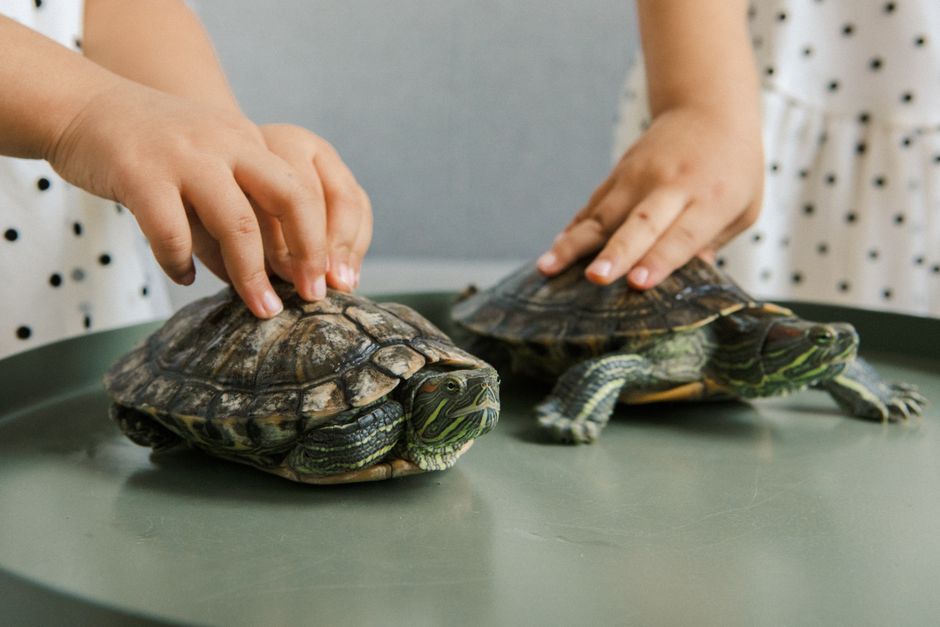
Two-Headed Turtle: Causes, Survival, and Care
Nature occasionally produces surprising anomalies that catch reptile enthusiasts off guard. A two-headed turtle is a hatchling born with bicephaly, a rare developmental condition where a single fertilized embryo begins splitting into identical twins but fails to separate fully, resulting in one body with two functioning heads. Cape Cod salt marshes recently produced three of these unique hatchlings over a five-year window, prompting researchers and pet parents alike to look closely at what causes this phenomenon.
Seeing such a rare hatchling brings up immediate questions about biological development, nest genetics, and daily survival. Here is what science tells us about how these animals form, the challenges they face, and how dedicated wildlife specialists manage their care.
What Causes a Two-Headed Turtle to Hatch?
A two-headed turtle develops when an embryo starts the process of twinning during incubation but halts before the two bodies fully separate. This incomplete division leaves the hatchling with two distinct heads, two separate brains, and often shared internal systems like lungs, a digestive tract, and limbs.
Scientists refer to this condition as bicephaly or axial bifurcation. It can happen in almost any vertebrate species, but people observe it most frequently in snakes and turtles. The timing of the split in the egg determines how much of the body is duplicated. In some individuals, each head has its own neck and upper spine, while the lower spine and shell remain completely single.
Genetic factors certainly play a role in whether an embryo divides abnormally. Inherited mutations can disrupt cell signaling during the earliest stages of embryonic growth. When the genetic instructions that tell cells where to form boundaries fail to fire properly, the tissue layers can fuse or duplicate along the central axis.
Environmental Triggers in Marsh Nests
Incubation conditions in wild nests also influence embryonic development. Wild diamondback terrapins lay their eggs in sandy soil near salt marshes, where changing weather directly impacts nest conditions. Sudden shifts in moisture, chemical runoff in the groundwater, and extreme nest temperatures can alter how turtle cells divide inside the shell.
When summer heat waves warm the sand too quickly, metabolic rates within developing embryos accelerate. That sudden thermal stress can interrupt the standard path of cell division. While researchers cannot yet pinpoint a single local contaminant or weather event on Cape Cod, localized temperature swings remain a leading theory behind these repeated occurrences.
Can a Two-Headed Turtle Survive in the Wild?
Most two-headed turtles cannot survive in the wild because competing brain signals disrupt normal locomotion, making it nearly impossible for the hatchling to forage, surface for air, or flee predators. In nature, a tiny hatchling weighing only as much as a nickel already faces steep odds, and having two independent heads makes basic survival behaviors far more difficult.
In a healthy single-headed hatchling, instinct drives rapid movement toward safety. You can observe similar instinctual drives when studying how baby sea turtles find the ocean right after leaving their nests. A hatchling with two heads struggles with every step because both brains attempt to direct the same set of flippers or legs.
One head often controls the left side of the body while the other head controls the right side. If one brain decides to turn left to hide beneath marsh grass while the other wants to turn right toward open water, the turtle ends up paddling in tight circles. That disorientation leaves the baby completely exposed to gulls, crabs, raccoons, and predatory fish.
Swimming poses an even greater danger than land movement. Diamondback terrapins are aquatic turtles that must breathe air at the water surface. If the two heads do not coordinate their breathing rhythms, or if one pulls downward while the other attempts to reach the surface, the hatchling risks exhaustion and drowning in just a few inches of water.
How Do Wildlife Caretakers Feed and Care for a Bicephalic Turtle?
Caretakers manage a bicephalic turtle by providing shallow water habitats, feeding each head separately, and using diagnostic imaging to understand the animal's shared internal anatomy. Constant human supervision protects the hatchling from drowning while ensuring both brains receive adequate nutrition without competing against each other.
Feeding time requires patience and a gentle touch. Because both heads have an active feeding response, they may snap at the same piece of food or accidentally bite one another. Experienced caretakers place a small physical divider, such as a soft plastic card, between the two heads while offering food on tiny tweezers. This simple barrier keeps the interaction calm and safe.
Here are the essential care adjustments specialists make for these vulnerable hatchlings:
- Maintain very shallow water levels so the turtle can lift both heads above the surface without expending heavy swimming effort.
- Feed both heads individually with small, softened food items to determine whether both mouths swallow into a shared or separate stomach.
- Provide gentle, low-profile resting docks made of smooth materials that do not trap or flip an uncoordinated animal.
- Use X-rays and ultrasound scans under veterinary supervision to map the spine, digestive tract, and internal organs.
- Monitor daily weight and stool output to confirm that swallowed nutrients move smoothly through the shared digestive system.
Medical imaging is critical for long-term prognosis. Some bicephalic reptiles possess two complete gastrointestinal tracts, while others share a single stomach or intestine. If one esophagus joins an incomplete or blocked digestive branch, feeding that specific head could cause serious health complications. For any reptile owner facing unusual physical conditions, consulting an experienced exotic-animal veterinarian is vital to ensure proper welfare and comfort.
Swimming and Habitat Safety
Water depth must remain strictly controlled at all times. A normal aquatic turtle glides through deep water with ease, but a two-headed individual can flip upside down when trying to turn. Once inverted, the turtle may lack the limb coordination required to right itself on the bottom of the tank.
Caretakers often start hatchlings in water that barely covers their plastron, the bottom shell. This allows the baby to keep its nostrils in the air simply by extending its neck. Over time, as caretakers observe how the legs coordinate, they may gradually raise the water level by small fractions while adding plenty of gently sloping resting ramps.
Why Are Diamondback Terrapins Unique?
Diamondback terrapins are North America's only turtle species adapted specifically to life in brackish coastal environments like tidal creeks, estuaries, and salt marshes. Their specialized physiology lets them tolerate shifting salinity levels, which distinguishes them from typical freshwater pond turtles and fully marine sea turtles.
These turtles play a critical ecological role in coastal marshes. By feeding on marsh periwinkle snails, crabs, and small mollusks, terrapins prevent grazing snails from destroying valuable salt marsh cordgrass. When terrapin populations decline, marsh habitats suffer erosion and loss of plant cover.
Because coastal development borders many salt marshes, terrapin nests frequently cross paths with residential areas, roads, and backyard recreation spots. Turtle hatchlings wandering into human-made environments face unexpected hazards, much like the issues owners see when finding baby sea turtles in a pool after confusing artificial lights for the open water. Protecting terrapin nesting grounds helps ensure that both normal and unusual hatchlings receive a safe start in life.
Before taking on any unique turtle, reptile parents should research a species' full adult needs, including strict salinity, heat, and space requirements, to provide ethical care.
Final Thoughts
Encountering a two-headed turtle in the wild is an extraordinary event that highlights the complex nature of reptile genetics and incubation. Although these delicate hatchlings face immense physical obstacles, dedicated wildlife rehabilitators provide the quiet care and medical observation they need to thrive. Explore our other RarePetCare guides to learn practical tips for exotic reptile health, habitat setups, and responsible wildlife stewardship.
Frequently Asked Questions
How long can a two-headed turtle live in captivity?
A two-headed turtle can survive for several years in captivity with specialized human care, provided its shared vital organs function without serious internal blockages.
What is the scientific term for an animal with two heads?
The scientific term for a two-headed animal is bicephalic, which comes from the developmental condition known as bicephaly or dicephaly.
Do two-headed turtles share the same stomach?
Some two-headed turtles share a single stomach and digestive tract, while others have separate stomachs that merge lower down in the intestines.
Can two-headed turtles reproduce as adults?
Most two-headed turtles do not reach reproductive maturity due to severe developmental challenges, though reproduction would depend entirely on their shared internal anatomy.
Explore More Reptiles Guides
 🦎Reptiles
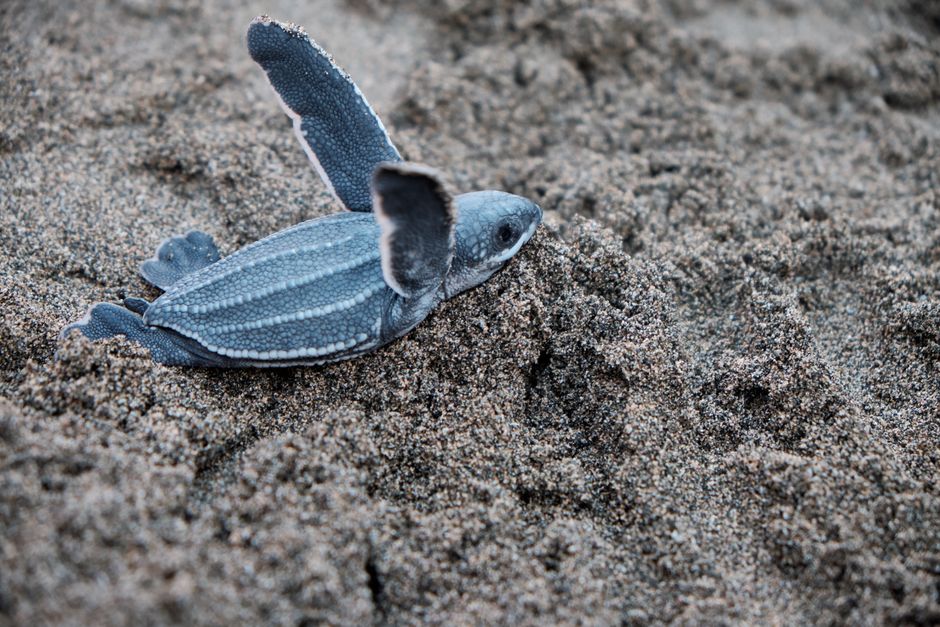
Baby Sea Turtles in a Pool: Why It Happens and Next Steps
Discover why baby sea turtles wander into backyard swimming pools, what chlorine does to them, and how to safely respond.
 🦎Reptiles
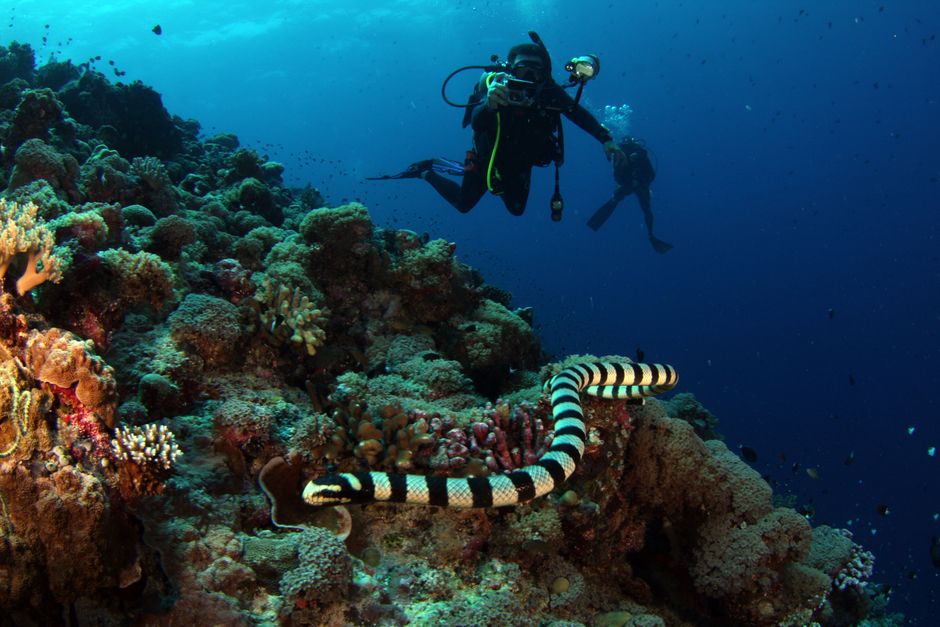
Sea Snakes in California: Why Strandings Happen
Only six venomous sea snakes have ever reached California beaches, almost all arriving during warm El Niño ocean cycles.
 🦎Reptiles
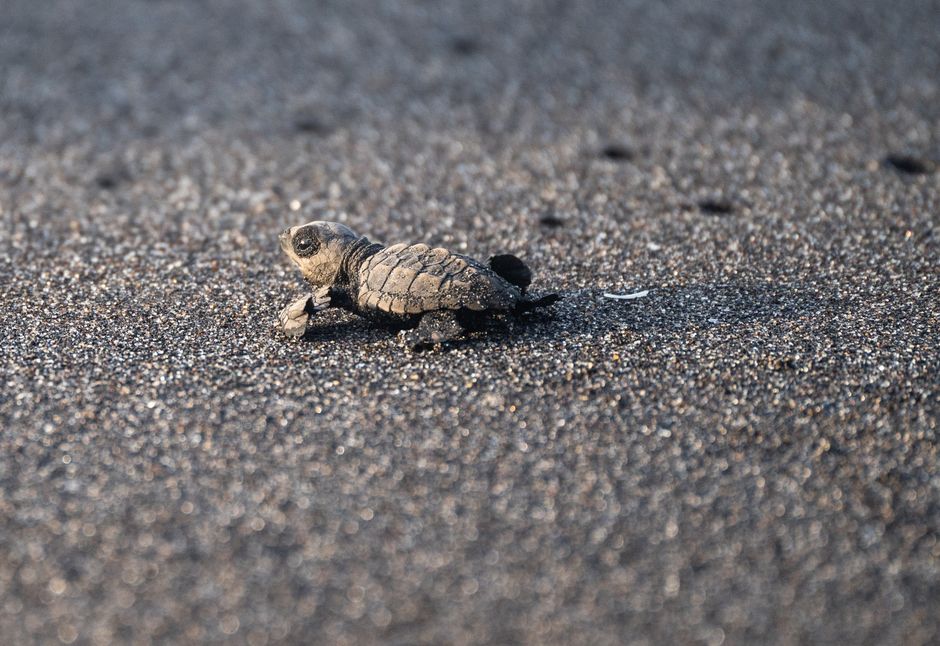
How Baby Sea Turtles Find the Ocean Explained
Discover how baby sea turtles find the ocean using natural light and slope, plus what happens when artificial lights lead them off course.