Baby Sea Turtles in a Pool: Why It Happens and Next Steps
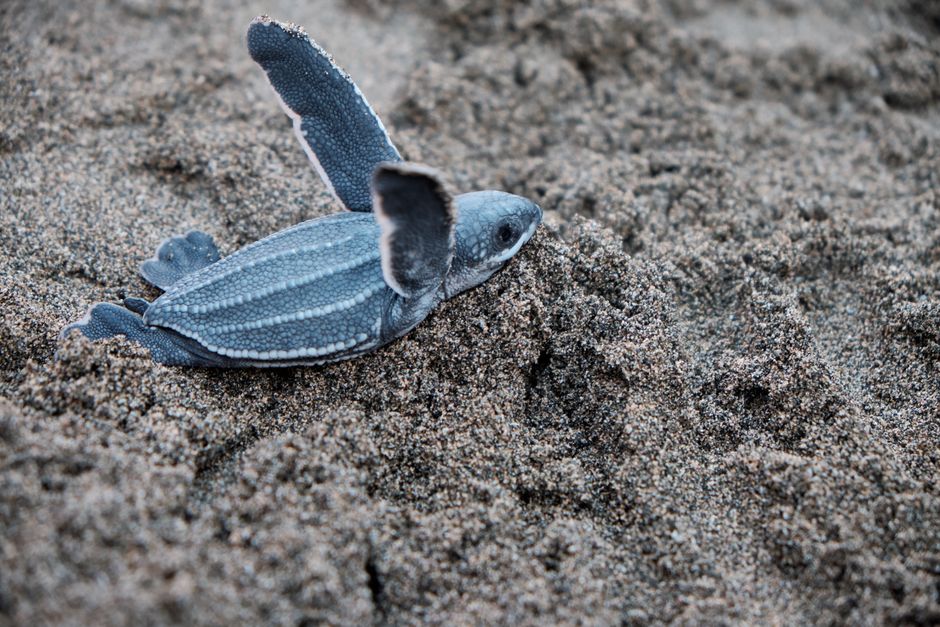
Stepping into your backyard to find dozens of tiny flippers paddling across the water is an unforgettable surprise. Discovering baby sea turtles in a pool happens when newly hatched turtles become disoriented by artificial lighting and crawl toward bright residential areas instead of heading out to the open ocean. These lost hatchlings face immediate hazards from pool chemicals and fatigue, meaning fast action and professional rescue help make all the difference.
When a Florida homeowner discovered 64 tiny turtles swimming laps in their family pool, it sparked an urgent rescue operation. The incident sounded like a rare freak accident, but coastal wildlife specialists encounter this situation more often than most people think. Understanding why this happens helps us protect these fragile marine animals whenever human neighborhoods meet natural nesting beaches.
Why Do Baby Sea Turtles End Up in Swimming Pools?
Baby sea turtles end up in pools because bright backyard lighting and reflective surfaces mislead their natural internal guidance systems. Hatchlings emerge from underground sand nests at night and instinctively crawl toward the brightest open horizon, which has naturally been the starry sky reflecting off ocean waves for millions of years.
Modern beachfront properties disrupt this natural balance. Porch fixtures, decorative floodlights, and underwater pool lamps shine far brighter than the moon over the water. Confused hatchlings pivot away from the surf and follow these artificial beacons inland over the dunes. You can learn more about this natural orientation process in our guide on how baby sea turtles find the ocean.
Swimming pools create a double hazard for wandering hatchlings. The water surface acts like a giant mirror that catches ambient patio light, making the pool look just like the moonlit ocean surface to a tiny turtle. Once they scramble over pool coping or patio pavers, they drop into the water thinking they have successfully reached the sea.
Can Sea Turtle Hatchlings Survive in Chlorinated Pool Water?
Sea turtle hatchlings can survive for short periods in chlorinated water, but prolonged exposure causes chemical burns, eye irritation, and respiratory problems. The immediate danger is physical exhaustion, because the steep, slippery sides of a pool prevent the turtles from climbing out to rest.
Sea turtles possess natural salt glands designed to process ocean brine, not artificial pool sanitizers. Chlorine and shock treatments strip away the protective mucus layer on a reptile's skin. Over time, chlorinated water stings delicate corneas, making it difficult for the turtles to see or hunt once they return to the wild.
Swallowing pool water presents an even greater medical issue. Young turtles gulp water while swimming, and ingesting chemical-heavy water upsets their digestive flora and damages their internal organs. If the water balance is strongly acidic or basic, it burns the lining of their mouth and throat.
The Immediate Risks of Pool Equipment
Chemical exposure is only part of the danger when turtles fall into residential water. Active circulation systems create mechanical hazards that can trap or injure small animals within minutes.
Pool skimmers and suction drains pose an extreme threat to tiny swimmers. Hatchlings only weigh a few ounces and lack the muscle power to pull against strong pump intake currents. If a hatchling gets sucked into a skimmer basket or caught against an active drain cover, it can quickly drown because reptiles still need air to breathe.
What Should You Do If You Find Baby Sea Turtles in a Pool?
If you find baby sea turtles in a pool, immediately call your local wildlife conservation commission or a licensed marine rescue facility before attempting to move them. Never carry them straight to the beach to release them yourself, because tired or chemically exposed hatchlings require professional health checks before entering the surf.
While you wait for authorized rescuers to arrive, you can take a few simple, hands-off steps to keep the hatchlings safe. Every minute counts when it comes to reducing stress and chemical absorption.
- Turn off pool pumps, automatic cleaners, and skimmer systems right away to eliminate suction hazards.
- If authorized by wildlife officials over the phone, use a soft skimmer net to gently lift the turtles out of the water.
- Place the turtles into a clean, dry plastic container lined with a damp towel, keeping the container in a dark, quiet, room-temperature room.
- Keep family pets, bright flashlights, and curious children far away to prevent extreme stress and shock.
- Do not add fresh tap water to the holding container, as dry rest prevents secondary drowning in tired hatchlings.
As a reminder for animal lovers, wild marine turtles are strictly protected under federal law and cannot be kept as pets under any circumstances. If you love unusual reptiles, always research legitimate domestic species and consult an exotic-animal veterinarian for proper guidance on species you can legally and humanely keep at home.
How Coastal Residents Can Prevent Backyard Turtle Traps
Coastal residents can prevent hatchlings from entering pools by turning off non-essential outdoor lights during nesting season and installing low barriers around pool decks. Shielding fixtures so light points strictly downward keeps the direct glare invisible from the beach dunes where nests incubate.
Coastal communities often follow strict lighting ordinances between spring and autumn. This period overlaps with major egg-laying cycles along southern coastlines, similar to patterns seen with sea turtles nesting in other regions during unusual weather shifts. Following local lighting guidelines protects entire clutches from heading the wrong way.
Turtle-Friendly Lighting Choices
Standard white, blue, and halogen bulbs create intense light pollution that attracts wildlife from hundreds of yards away. Swapping these bulbs for turtle-certified fixtures keeps your property safe without leaving you in total darkness.
Sea turtle hatchlings do not see longer light wavelengths as easily as short wavelengths. Replacing patio bulbs with true amber or deep red LED lamps drastically cuts down disorientation. Fixtures that angle light down toward the ground prevent stray illumination from bouncing into the sky or toward coastal sand dunes.
Physical Barriers and Pool Safety Covers
Adjusting lighting makes a massive impact, but physical obstacles provide a reliable physical safety net. Even a short barrier can stop a wandering hatchling from tumbling into deep water.
A simple silt fence, decorative garden wall, or temporary patio barrier that stands only eight to twelve inches tall can divert lost turtles away from your water. Installing a sturdy, secure pool safety cover whenever the pool is not in use also keeps disoriented nocturnal wanderers from falling in. These simple backyard changes save dozens of precious hatchlings every summer.
Final Thoughts
Discovering baby sea turtles in a pool is a dramatic reminder of how closely our coastal homes interact with fragile ocean ecosystems. By shutting off pool pumps, contacting licensed rescue teams, and adopting turtle-friendly lighting, homeowners can turn a potentially tragic backyard mix-up into a successful wildlife rescue story. Explore more RarePetCare guides to learn about unique reptile behaviors, aquatic wildlife safety, and responsible exotic pet care.
Frequently Asked Questions
Can baby sea turtles breathe underwater in a pool?
No, sea turtles are air-breathing reptiles that must regularly surface for oxygen. If trapped underwater by pool suction or fatigue, hatchlings can drown.
Should I release pool turtles directly into the ocean?
No, you should never release them yourself. Hatchlings exposed to pool chemicals or exhaustion require a health evaluation by licensed wildlife rehabilitators first.
What kind of lights keep sea turtles away from pools?
Long-wavelength amber and deep red LED bulbs shielded to point directly toward the ground minimize disorientation for nesting turtles and hatchlings.
Is it legal to keep a wild sea turtle hatchling as a pet?
No, all sea turtle species are strictly protected under federal and international wildlife laws. Keeping wild hatchlings in captivity without special federal permits is illegal.
Explore More Reptiles Guides
 🦎Reptiles
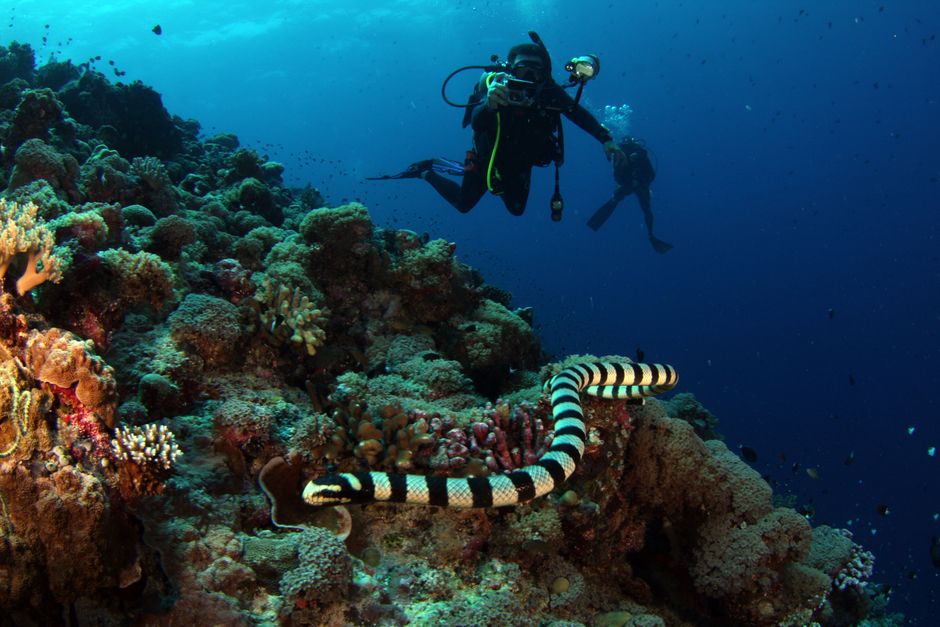
Sea Snakes in California: Why Strandings Happen
Only six venomous sea snakes have ever reached California beaches, almost all arriving during warm El Niño ocean cycles.
 🦎Reptiles
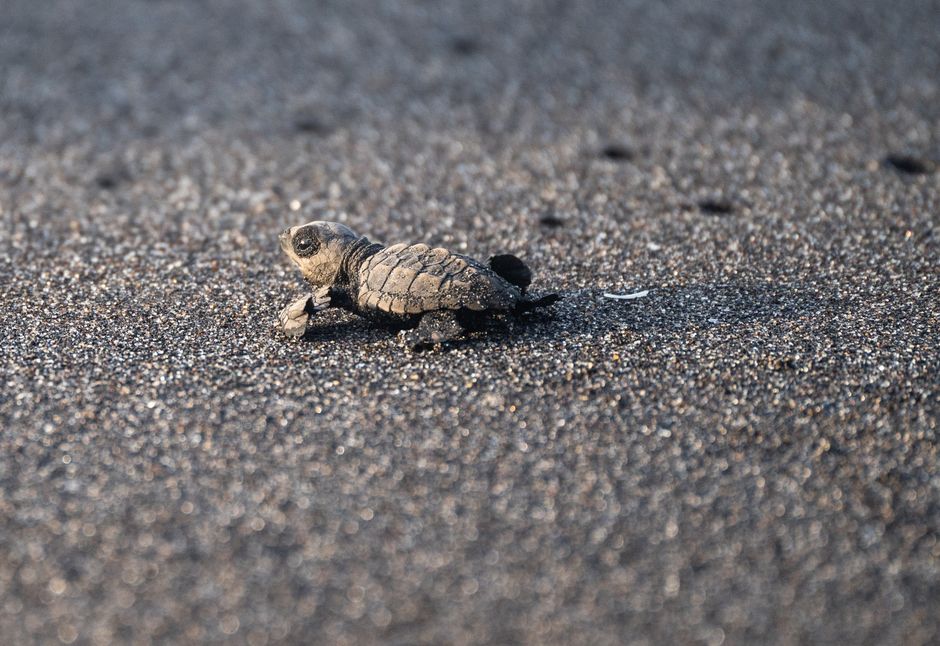
How Baby Sea Turtles Find the Ocean Explained
Discover how baby sea turtles find the ocean using natural light and slope, plus what happens when artificial lights lead them off course.
 🦎Reptiles
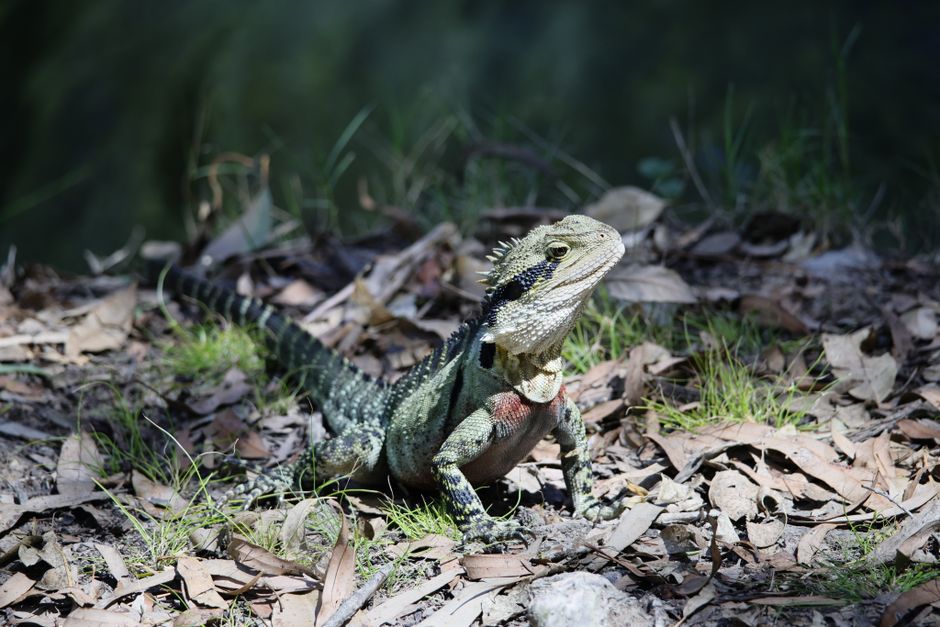
Australian Reptile Smuggling: Inside the Crackdown
Australia launched a dedicated agency to combat reptile smuggling and protect native wildlife from the global black market.