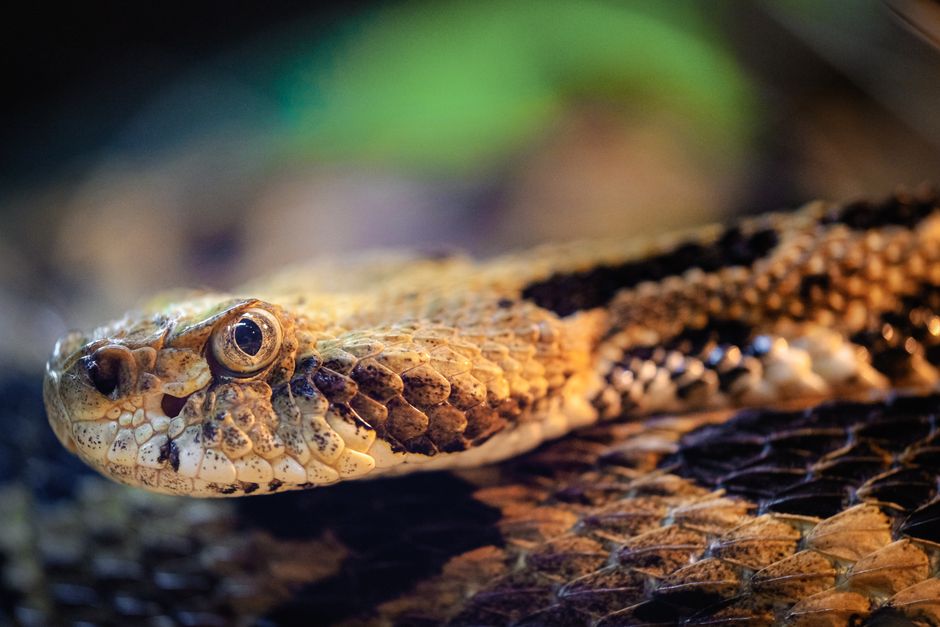
How Can You Help Save the Rainbow Snake in North Carolina?
If you have ever caught a glimpse of an elusive Rainbow Snake gliding through a quiet wetland, you know just how special these secretive creatures are. Wildlife lovers across North Carolina are currently raising concerns as reports suggest these beautiful animals are becoming much harder to find in the wild. State wildlife biologists are now calling on everyday citizens to help them track sightings and protect local populations.
Are Rainbow Snakes Declining in North Carolina?
Yes, observations indicate that Rainbow Snakes are declining in North Carolina habitats. State biologists have noticed a drop in confirmed sightings over recent years, which has sparked an active effort to collect more data about where these snakes still live. Because these animals spend much of their lives hidden near water and aquatic vegetation, getting an accurate population count can be quite tricky for researchers working on their own.
Loss of natural wetland habitat and changes in local water systems often impact native reptile populations. When damp, muddy coastal plain environments are disturbed, the wildlife relying on those specific conditions naturally struggles to thrive. Wildlife agencies want to determine whether the species is facing widespread population drops or simply moving into lesser known aquatic areas.
Why Wildlife Officials Need Public Help
Biologists cannot monitor every stream, swamp, and marsh across the state, which makes public observation reports invaluable. Outdoor enthusiasts, fishermen, and local residents often spend time in remote wetland locations that researchers rarely visit. By sharing information about wild encounters, everyday people provide critical evidence that helps experts map active habitats accurately.
What Should You Do If You See a Rainbow Snake?
If you spot one, you should carefully document the observation without disturbing or moving the animal. The best action is to safely take a clear photo from a respectful distance so wildlife experts can confirm the species identification. It is essential to leave wild animals in their natural habitat, as wild snakes should never be collected or kept as pets. If you ever have questions about legal pet species or reptile health, consult an exotic animal veterinarian for specific guidance.
Once you have taken a photograph and noted your exact location, you can submit your details directly to state wildlife officials. North Carolina has established an official online reporting form specifically designed for recording wild encounters with this species. Providing clear photos helps biologists filter out mistaken identifications and focus their resources on real habitats.
Where Can You Report Rainbow Snake Sightings in North Carolina?
You can report sightings directly through the official North Carolina Wildlife Rainbow Snake reporting page online. State wildlife agencies created this dedicated portal so citizens can submit valuable field data quickly and easily from a smartphone or computer. If you love learning about native reptiles and supporting conservation, submitting a report is one of the most effective ways to make a positive impact.
When filling out the form, you will be asked to share basic information about your encounter to help verify the entry. You will typically need to provide the date, time, and precise geographical location where you saw the snake. Adding details about the surrounding environment, such as whether it was seen near a riverbank, roadside canal, or swamp, gives biologists extra context about active habitats.
What Information Should You Include in a Wildlife Report?
A high quality wildlife report always includes accurate location details alongside visual proof. A clear photograph showing the snake from above or from the side helps biologists verify the distinct color patterns immediately. If you are unsure of the exact coordinates, noting nearby landmarks, road intersections, or specific body of water names can help researchers pinpoint the spot on a map.
How Can Local Communities Help Protect Native Habitats?
Local communities can protect native species by supporting wetland conservation and keeping natural waterways clean. Reducing runoff pollution and respecting protected natural areas ensures that aquatic animals have clean water and plenty of shelter. Sharing information about local conservation projects with friends and neighbors also encourages broader participation in citizen science programs.
When residents take an active interest in the animals living in their local environment, conservation efforts become much more successful. Monitoring local ecosystems allows researchers to identify declining populations early and put protective measures in place before species disappear from regional habitats entirely. Simple actions like logging a sighting online help secure a better future for native wildlife.
Final Thoughts
Helping track the Rainbow Snake in North Carolina is an incredible opportunity for pet parents and nature lovers to contribute to real conservation work. By reporting what you see online, you directly assist wildlife biologists in protecting these magnificent native reptiles. Keep your camera ready on your next outdoor trip, and remember that every sighting report makes a meaningful difference.
Frequently Asked Questions
Where do rainbow snakes live in North Carolina?
Rainbow snakes primarily live in coastal plain wetlands, streams, and marshes across eastern North Carolina. They spend most of their lives in or near slow-moving water and thick aquatic vegetation.
Are rainbow snakes venomous or dangerous to humans?
No, rainbow snakes are completely non-venomous and harmless to humans. They are gentle, secretive creatures that rarely attempt to bite even when handled.
Why are rainbow snakes so rarely seen in the wild?
Rainbow snakes are rarely seen because they are highly aquatic and spend much of their time hidden in mud or submerged debris. They are also most active at night or during heavy rains.
What should I do if I find a rainbow snake on my property?
Leave the snake undisturbed and take a photo from a safe distance if possible. You can then submit the photograph and location details to state wildlife reporting programs to assist biologists.
Explore More Reptiles Guides
 🦎Reptiles
Marine Iguana: The Ocean-Feeding Lizard
Meet the marine iguana, the only lizard on Earth that dives into cold ocean waters to graze on underwater algae.
 🦎Reptiles
Hawksbill Sea Turtle Endangerment: What Happened
Learn the primary causes of hawksbill sea turtle endangerment, the history of the tortoiseshell trade, and how to protect them today.
 🦎Reptiles
Longest Wild Snake Ever Found: A Record Python
A record-setting giant reticulated python discovered in Indonesia reveals how large wild snakes can grow in undisturbed rainforests.