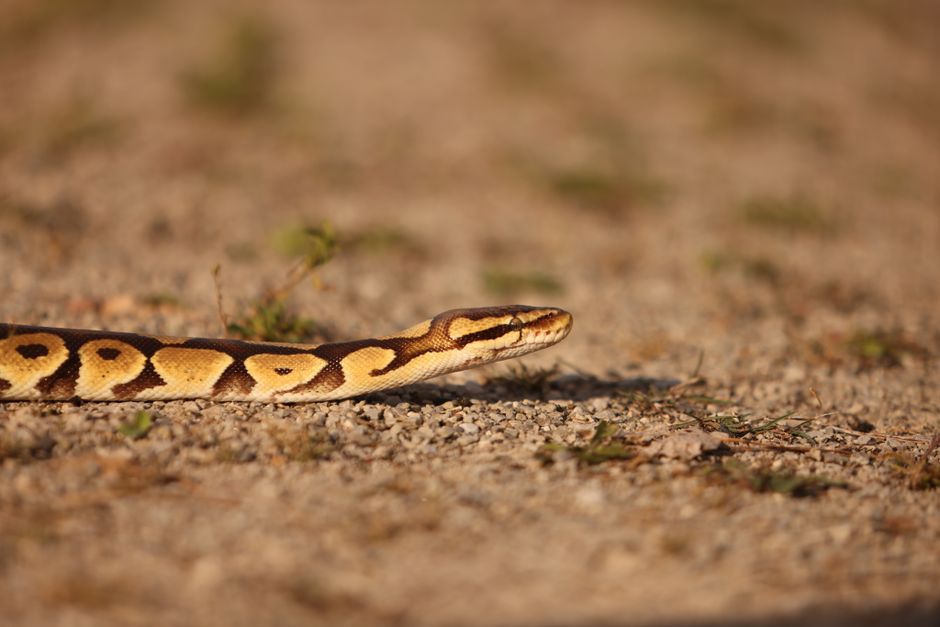
Ball Python Not Eating? Causes and Simple Fixes
A ball python not eating is one of the most common worries new reptile keepers face. A ball python hunger strike occurs when your snake refuses meals due to environmental stress, shedding cycles, seasonal shifts, or improper feeding techniques. In most cases, simple adjustments to the enclosure or feeding routine will get your snake eating again.
Ball pythons have a well-earned reputation for being finicky eaters. In the wild, these shy constrictors spend much of their lives hiding in rodent burrows. When conditions inside their captive home feel even slightly off, their natural defense is to refuse meals. Before you panic, take a calm step back. Snakes can go weeks or even months without food, so you have time to troubleshoot methodically.
Why Is My Ball Python Not Eating?
Your ball python is likely refusing food because its habitat temperatures are incorrect, humidity is off, or the snake feels exposed and stressed. Improper prey presentation, handling too close to feeding time, and natural shedding cycles also cause temporary hunger strikes.
Reptiles depend entirely on their environment to regulate their metabolism. If the warm side of the enclosure is too cool, your snake cannot digest food and will refuse to strike. If the enclosure lacks tight, secure hiding spots, the animal will feel vulnerable to predators. A frightened snake prioritizes survival over feeding every single time.
Handling your pet too frequently can also trigger a fast. Even gentle handling produces mild stress. If you handle your snake on feeding day, it may associate the experience with danger rather than mealtime. Giving your snake quiet days before offering food often solves the issue on its own.
How Do Habitat Issues Cause a Feeding Strike?
Habitat issues cause feeding strikes by disabling your snake's digestive instincts and triggering chronic stress. When ambient temperatures drop or humidity falls outside safe limits, ball pythons enter a dormant state and stop looking for meals.
Checking Your Temperature and Humidity Gradients
Every ball python enclosure requires a distinct temperature gradient with a warm basking zone and a cooler retreat. Place reliable digital probe thermometers at ground level on both ends of the cage. Stick-on dial gauges are notoriously inaccurate and often lead keepers into thinking their temps are fine when they are not. If the warm zone drops below recommended reptile care standards, digestive enzymes shut down.
Humidity matters just as much as heat. Low humidity causes dry skin and dehydration, which makes swallowing prey uncomfortable. Ensure the substrate retains light moisture without staying soggy. Maintaining stable humidity prevents poor health just as it does during vulnerable phases in other exotic species, such as during crustacean stress or when watching for tarantula molting signs in dry rooms.
Providing the Right Security and Hides
A ball python needs at least two identical, enclosed hiding boxes, one on the warm side and one on the cool side. The hide must be small enough that the snake's body touches all sides and the top when coiled inside. Half-log hides with open ends leave the snake feeling exposed from multiple directions. When a snake has to choose between feeling warm or feeling safe, it almost always chooses safety and refuses to eat.
Is Your Ball Python Going Into a Shed Cycle?
A ball python will stop eating when it enters a shed cycle because its vision becomes cloudy and its skin feels sensitive to touch. During this period, the snake cannot accurately strike at prey and feels too vulnerable to hunt.
Watch for early indicators of a shed. The belly scales often turn a light pink or blush color first. A few days later, the snake's eyes will turn a milky, bluish-gray hue, and its overall color will appear dull. In the wild, impaired vision makes snakes easy prey, so their instinct tells them to hide until the old skin comes off cleanly.
Do not attempt to offer meals while your snake has cloudy blue eyes. Even if it strikes, the meal may cause a regurgitation if the shed process begins mid-digestion. Simply mist the enclosure lightly to boost moisture, leave the snake alone, and wait until the complete shed has peeled off before offering a meal.
What Prey Preparation Mistakes Stop a Ball Python from Eating?
Prey preparation mistakes like serving cold rodents, offering prey that is too large, or using the wrong color feeder will make a ball python refuse food. Ball pythons hunt using heat-sensing facial pits, meaning prey must feel warm and alive to trigger a feeding response.
If you feed frozen-thawed rodents, proper thawing is critical. Never use a microwave, which cooks the prey and creates dangerous hot spots. Instead, follow these reliable prep steps:
- Thaw the frozen rodent completely in a sealed plastic bag placed in cool water inside your refrigerator.
- Warm the thawed prey in a warm water bath just before feeding until its body reaches natural mammal body temperature.
- Use feeding tongs to hold the rodent by the base of the neck, moving it with gentle, lifelike twitches in front of the hide entrance.
- Avoid dangling the prey directly above the snake's head, which can startle your pet and make it recoil.
- Offer prey after sunset, matching the natural nocturnal hunting routine of wild ball pythons.
Size also matters greatly. A feeder should be roughly the same width as the widest part of your snake's midsection. Feeder items that are too thick intimidate young snakes. If your snake is accustomed to white mice, switching abruptly to a brown or black rat can cause hesitation. Scenting the rodent with mouse bedding can persuade a stubborn rat feeder to take the bite.
How Can You Help a Stubborn Ball Python Eat?
You can help a stubborn ball python eat by creating a quiet feeding routine, offering meals at night, and giving the snake space to take food undisturbed. Simple feeding strategies like braining the prey or drop-feeding inside the enclosure can quickly break a long fast.
Try Drop Feeding and Dark Rooms
Many ball pythons are shy strikers that freeze when watched. Instead of holding prey on tongs for several minutes, warm the rodent thoroughly and place it on a clean piece of cardboard or plastic plate inside the enclosure right near the snake's hide. Turn off all enclosure lights and room lamps, step away, and leave the room quiet for the night. In many cases, the rodent will be gone by sunrise.
The Braining Technique
If drop feeding fails, braining is a trusted trick among experienced keepers. Take a clean needle or hobby blade and pierce the skull of the warmed, pre-killed prey item to expose a small amount of brain matter. The scent triggers a primal feeding drive that overrides minor hesitation. While unpleasant for the owner, this method often restarts the appetite of a ball python not eating after weeks of refusal.
Always research a species' full adult care requirements and enclosure dimensions before bringing one home. If your snake continues to refuse meals for several consecutive weeks and begins visibly losing body weight, contact a qualified exotic-animal veterinarian for professional medical guidance and fecal testing to rule out internal parasites.
Final Thoughts
Dealing with a ball python not eating can feel stressful, but remaining patient and checking your enclosure basics will solve the vast majority of feeding strikes. Keep temperatures dialed in, maintain proper humidity, reduce unnecessary handling, and offer warmed prey during quiet evening hours. For more expert reptile advice and species care walkthroughs, explore the rest of our guides on RarePetCare.
Frequently Asked Questions
How long can a ball python safely go without eating?
A healthy adult ball python can safely go several months without food, provided it is not rapidly losing weight or showing signs of dehydration.
Should I move my ball python to a separate tub for feeding?
No, you should feed your ball python inside its primary enclosure to avoid the stress and handling that often triggers regurgitation or food refusal.
Can I feed my ball python live rodents if it refuses frozen-thawed?
You should avoid live rodents whenever possible because live prey can bite, scratch, and severely injure your snake during feeding strikes.
Does winter weather cause ball pythons to stop eating?
Yes, many ball pythons naturally slow their metabolism and refuse food during winter months due to seasonal drops in daylight hours and barometric pressure.
Explore More Reptiles Guides
 🦎Reptiles
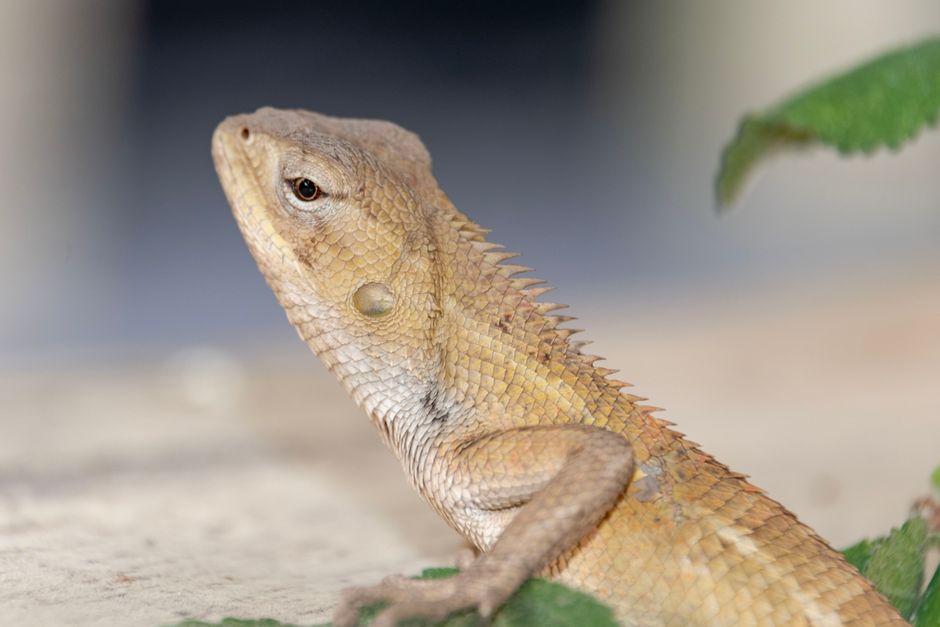
Reptiles of Israel: Native Species and Protection Guide
Learn about the diverse reptiles of Israel, their critical habitats, and how grassroots conservation efforts protect these unique species.
 🦎Reptiles
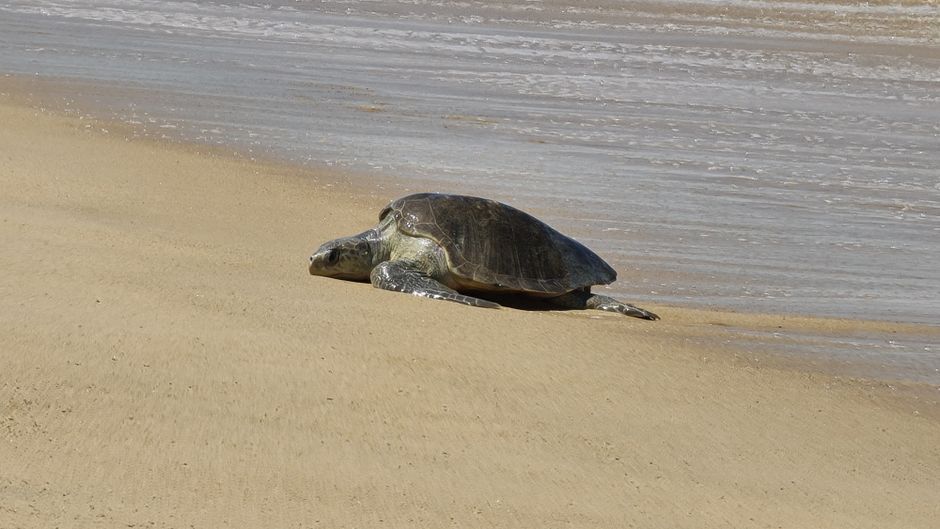
Olive Ridley Sea Turtle Nest Found in California
A rare Olive Ridley sea turtle nest was spotted on a Ventura County beach, sparking quick action from wildlife biologists.
 🦎Reptiles
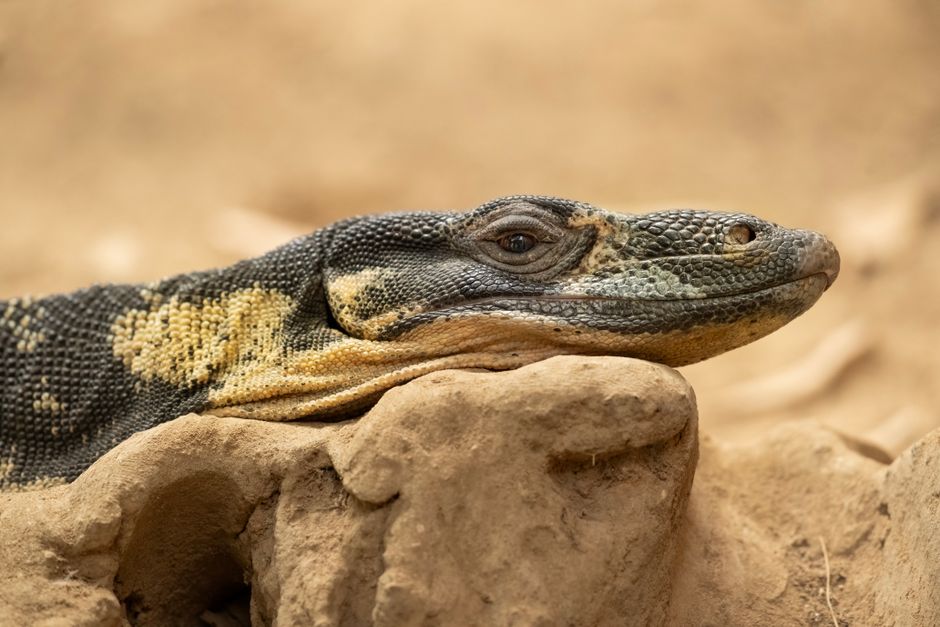
New Racerunner Lizard Species Discovered in Pakistan
Researchers in Pakistan have documented a new racerunner lizard species with unique maze-like markings across its back.