Reptiles of Israel: Native Species and Protection Guide
The reptiles of Israel are a diverse group of nearly one hundred native lizard, snake, and tortoise species adapted to Mediterranean scrub, rocky hills, and arid deserts. Because the region connects Africa, Asia, and Europe, these animals represent a rare cross-section of global reptile biology. Understanding how these animals survive in the wild helps exotic pet parents build better care habits and support global conservation.
What reptiles are native to Israel?
Israel is home to nearly a hundred native reptile species, ranging from desert-adapted agamas to Mediterranean geckos and vipers. The country features four distinct ecological zones packed into a small land area, which allows temperate, desert, and tropical reptile families to thrive close together.
Lizards and Geckos of the Region
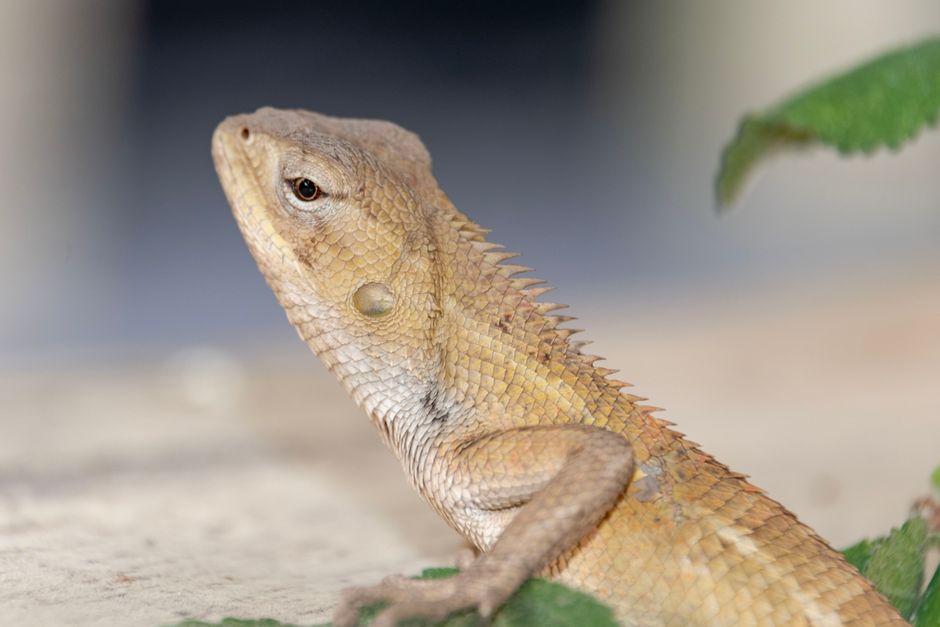
Lizards make up a large portion of local reptile sightings. Hardun agamas, also known as starred agamas, sun themselves on old stone walls, ruins, and rock piles across central and northern areas. In the southern dunes, fringe-toed lizards sprint across boiling sand with specialized scales that act like snowshoes, sharing survival adaptations with species like the new racerunner lizard species discovered in Pakistan.
Geckos also fill an important niche. Fan-toed geckos scale sheer cliff faces and house walls at night, while Mediterranean chameleons move slowly through olive groves, catching flies and moths with their lightning-fast tongues.
Snakes and Tortoises
Snakes occupy top predator positions among local cold-blooded animals. Non-venomous species like the large black whip snake and coin-marked snake hunt rodents in agricultural fields. Venomous species also live here, led by the Palestine viper in fertile valleys and the horned viper in southern sand dunes.
On land, the spur-thighed tortoise grazes on native grasses and leafy weeds. These tortoises spend mild spring mornings foraging before retreating into underground burrows to escape the baking midday sun.
Why is educating the public about reptiles of Israel so vital?
Educating the public about the reptiles of Israel helps replace fear with respect and prevents the needless killing of harmless species. Grassroots initiatives like Guardians of Israel's Reptiles, led by passionate advocates like Avi Zobel, focus on teaching communities why these animals belong in their shared environment.
Many people react to snakes and lizards with immediate alarm. When community educators bring live, non-venomous ambassadors to schools, that fear drops quickly. Avi Zobel and other local educators show that harmless colubrid snakes act as free, non-toxic pest control by hunting mice and rats around houses and storage barns.
Public outreach also teaches people what to do when they encounter wildlife. Instead of striking at a snake with a garden tool, trained residents learn to keep their distance and call certified relocators who move the animal safely back into natural brush.
How does habitat loss impact Middle Eastern reptile populations?
Habitat destruction and urban expansion pose the greatest ongoing threats to wild reptiles across the Middle East. As housing projects expand and roads divide open areas, reptiles lose their foraging grounds, basking perches, and nesting sites.
Several distinct challenges make survival harder for local reptile populations:
- Paved roads cut across natural hunting territories, leading to high vehicle mortality during spring mating seasons.
- Intensive agricultural clearing removes flat rocks and native bushes that geckos and small skinks rely on for safety.
- Pesticide runoff reduces insect populations, cutting off essential prey for growing juveniles.
- Illegal collection removes slow-maturing breeding adults from fragile desert valleys that take decades to recover.
Protecting open movement corridors gives wild populations the room they need to find food and maintain healthy genetic lines.
What should pet keepers learn from wild reptile conservation?
Caring for captive reptiles requires pet parents to understand natural habitats and respect the wild origins of every species. Observing how animals live in diverse Mediterranean climates reminds owners that captive reptiles need precise light, heat, and space to thrive.
Always research a species' full adult needs before buying an exotic animal, and consult an exotic-animal veterinarian for specific health guidance. Keepers who study native agamas and geckos build far better home enclosures. Creating distinct basking areas, offering varied hides, and providing deep digging substrate allow captive animals to display the same instinctive behaviors seen in wild populations.
Responsible keepers must also support ethical captive breeding and avoid wild-caught animals. Buying only captive-bred pets protects fragile ecosystems from over-collection and ensures your companion starts life free of wild parasites.
Final Thoughts
Learning about the diverse reptiles of Israel highlights the balance between growing human communities and native wildlife. Dedicated conservation groups and educators show that simple knowledge transforms how people treat misunderstood species. Explore our other guides on RarePetCare to discover more fascinating species profiles and responsible pet care tips.
Frequently Asked Questions
How many reptile species live in Israel?
Nearly one hundred reptile species live in Israel, including diverse agamas, geckos, skinks, tortoises, and snakes.
What is the most common venomous snake in Israel?
The Palestine viper is the most widespread venomous snake in the country and accounts for the majority of local snake encounters.
Are native reptiles protected by law in Israel?
Yes, all wild reptiles are protected wildlife under Israeli law, making catching, harming, or keeping them without permits illegal.
What should you do if you find a snake near your home?
Maintain a safe distance, keep pets away, and contact a licensed wildlife relocator to move the animal safely.
Explore More Reptiles Guides
 🦎Reptiles
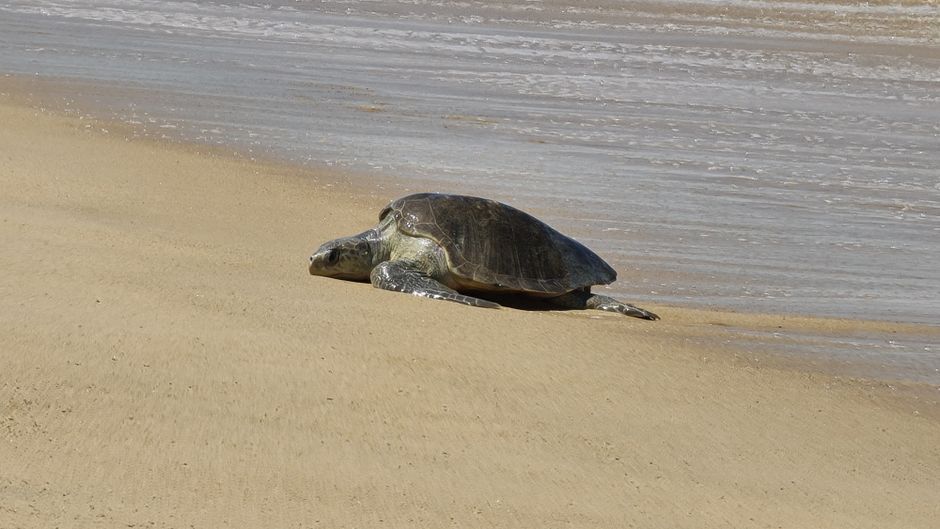
Olive Ridley Sea Turtle Nest Found in California
A rare Olive Ridley sea turtle nest was spotted on a Ventura County beach, sparking quick action from wildlife biologists.
 🦎Reptiles
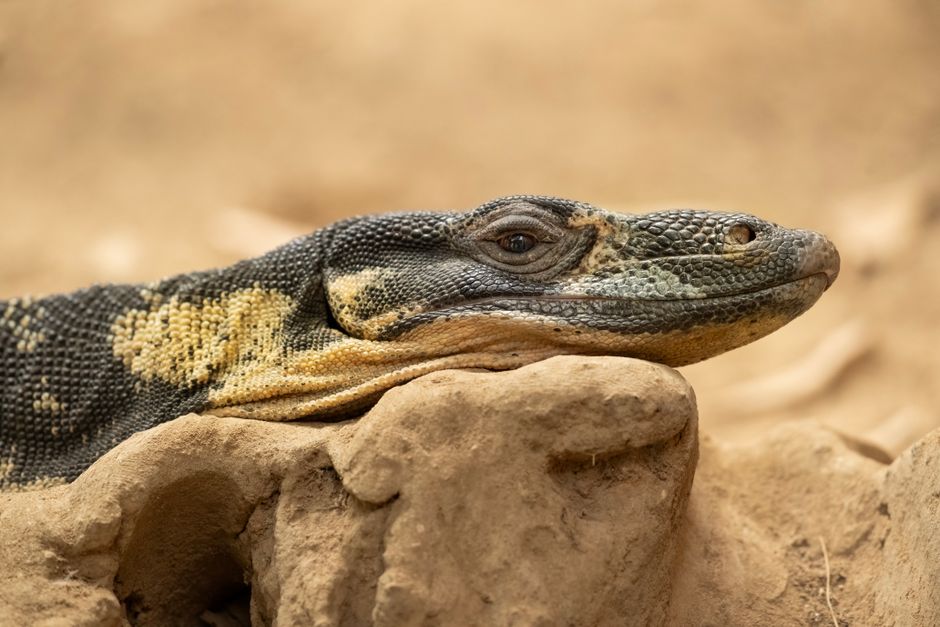
New Racerunner Lizard Species Discovered in Pakistan
Researchers in Pakistan have documented a new racerunner lizard species with unique maze-like markings across its back.
 🦎Reptiles
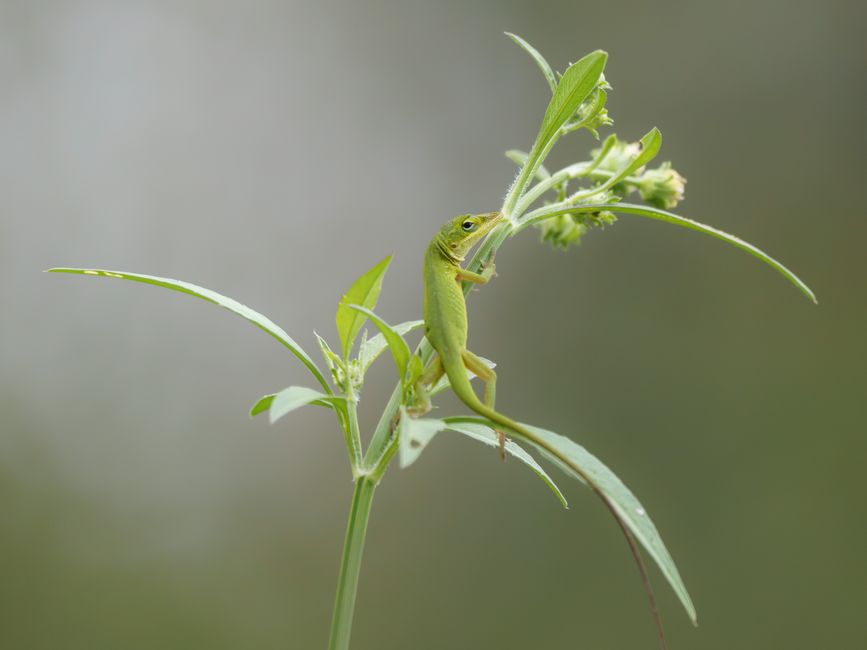
Silver Key Anoles: How Short Toes Aided Hurricane Survival
Silver Key anoles with shorter hind toes had higher hurricane survival rates, showing how wild lizards adapt to extreme weather.