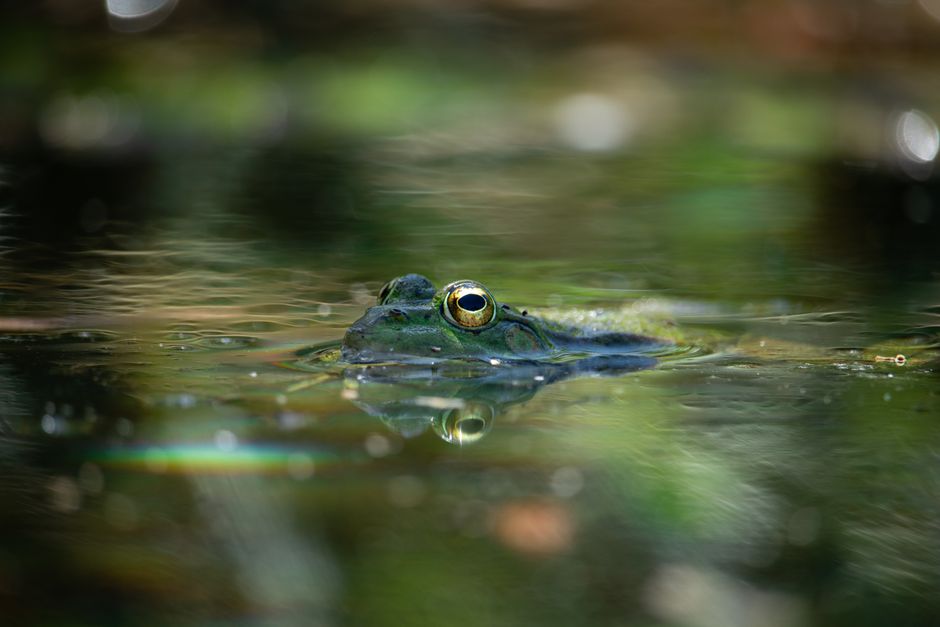
How Do Wood Frogs Survive Being Frozen Solid?
If you have ever wondered how wild amphibians survive brutal northern winters, the wood frog offers one of the most remarkable answers in nature. Pet parents and amphibian enthusiasts often search for this species after hearing incredible stories about them freezing solid during cold weather. Learning about this creature gives us a captivating glimpse into how adaptable native frogs can really be.
How Can a Frog Survive Being Frozen Solid?
Wood frogs survive being frozen solid by bringing their internal metabolic processes to a complete standstill during the cold winter months. When freezing temperatures arrive, these wild amphibians allow ice to accumulate within their body cavities while protecting their organs from damage. Their breathing stops completely, and their hearts cease beating for extended periods. During this winter phase, a frozen frog shows no outward signs of life and feels completely rigid to the touch. Once warm spring weather returns, their bodies naturally thaw from the inside out, allowing them to resume normal activity without suffering tissue harm. Always consult an exotic-animal veterinarian if you ever have concerns about temperature management or seasonal care for captive amphibians in your home setup.
What Happens to the Heart When Frozen?
The heart of a wood frog completely stops pumping blood once ice begins forming inside its body. Without active circulation, the frog relies on a specialized biological trick created before freezing to protect its delicate cellular tissue. This total pause in heart function can endure through the entire winter until warm weather prompts the heart to resume beating. Blood circulation returns naturally as the body thaws, bringing the frog fully back to life.
How Long Can Wood Frogs Stay Frozen?
Wood frogs can remain completely frozen for as long as eight months at a time without dying. This long duration helps them survive extreme winter environments where food is unavailable and frost covers the ground. Throughout these months, the frogs stay tucked under leaf litter or shallow soil layers in a completely dormant state. They do not eat, drink, move, or breathe while tucked away in their chilly shelter. When seasonal conditions warm up, their bodies automatically react to the rising temperatures, prompting them to wake up and leave their winter spots.
What Do Wood Frogs Do After Thawing?
Immediately after thawing out in the early spring, wood frogs travel straight to nearby breeding pools to find a mate. Because their bodies recover so rapidly from being frozen, they are typically among the very first amphibians active in the new season. This early start gives their young an advantage, giving tadpoles extra time to develop before summer ends.
Can the Wood Frog Freeze Trick Help Human Medicine?
Yes, scientists believe studying how wood frogs freeze without tissue damage could help medical researchers save human lives. In normal human medicine, freezing living tissues creates ice crystals that destroy cells and ruin delicate organs. Wood frogs avoid cell destruction using a natural biological trick that keeps their cell structures safe while ice surrounds them. Researchers study these natural adaptations to find improved ways to store human organs for emergency transplant surgeries. Learning how this frog pauses and restarts its own heart could also guide future medical treatments for trauma patients and heart attack survivors.
Do Wood Frogs Make Good Pets for Beginners?
No, wood frogs generally do not make good pets for beginner amphibian owners due to their specialized habitat and care demands. Replicating their natural seasonal shifts, exact moisture levels, and winter dormancy cycles inside a standard vivarium requires advanced experience. Captive frogs also require consistent live food options and carefully regulated terrarium setups to stay healthy. Before bringing home any rare or wild species, prospective owners should thoroughly research full adult care needs to ensure they can provide a proper environment.
Final Thoughts
The wood frog is an extraordinary creature that proves just how resilient wild amphibians can be in severe climates. By stopping its heartbeat and freezing solid for months, this small frog accomplishes a feat that continues to amaze pet lovers and medical scientists alike. Appreciating their unique biological adaptations helps us better understand the natural capabilities of exotic species around the world.
Frequently Asked Questions
Where do wood frogs live in the wild?
Wood frogs are naturally found across northern regions of North America, including forest areas in Canada and Alaska. They prefer moist woodland floors near small seasonal ponds.
What do wood frogs eat during warmer months?
Wood frogs feed on small forest invertebrates like insects, spiders, worms, and snails. They actively hunt for moving prey along the forest floor throughout spring and summer.
Does freezing solid cause tissue damage to the frog?
No, freezing solid does not damage the wood frog's tissues thanks to their unique biological adaptations. Their cells remain safe while ice forms around their organs.
Do wood frogs breathe while they are frozen?
No, wood frogs completely stop breathing while they are frozen during the winter. Their metabolic functions pause, allowing them to survive without oxygen until spring.
Explore More Amphibians Guides
 🐸Amphibians
Hellbender Salamander Guide: Facts, Habitat, Care
Meet the hellbender salamander, North America's largest aquatic amphibian known as the snot otter, and discover why rivers need them.
 🐸Amphibians
What Do White's Tree Frogs Eat? Complete Diet Guide
Discover the ideal feeder insects, safe portion sizes, and feeding schedules to keep your pet White's tree frog healthy and thriving.
 🐸Amphibians
White's Tree Frog Habitat Setup: Beginner Guide
Build the ideal White's tree frog habitat setup with proper tank size, gentle heat, humidity control, and safe substrate choices.