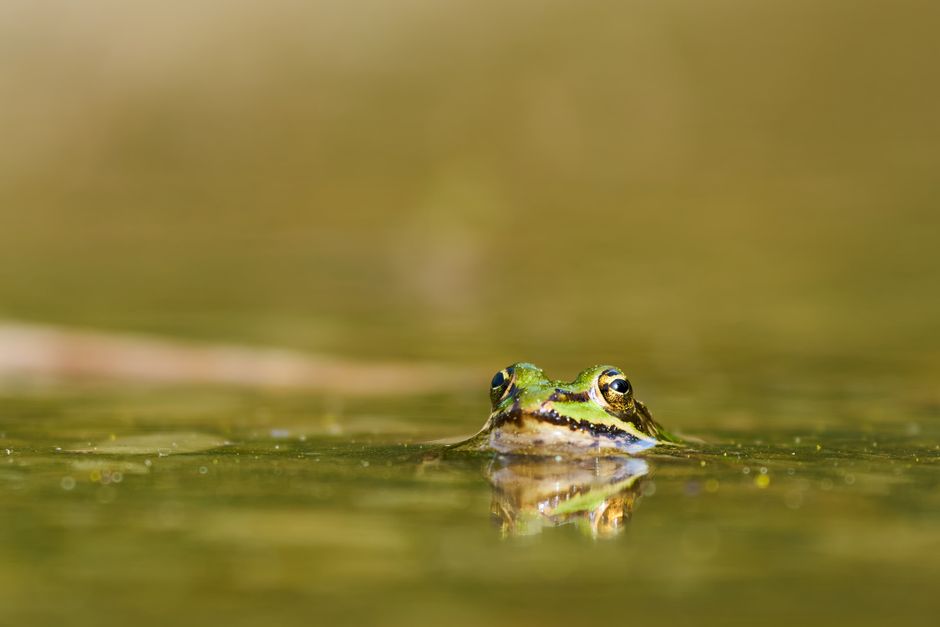
How Does the Australian Water-Holding Frog Store Water?
If you have ever wondered how wild amphibians pull off seemingly impossible survival feats in extreme environments, the Australian water-holding frog is one of the most astonishing examples on earth. Many exotic pet enthusiasts and nature lovers search for details on this remarkable creature after hearing about its unusual underground survival habits. Understanding how this small amphibian adapts to arid conditions offers a fascinating look into wildlife survival strategies and specialized animal care.
How Do Water-Holding Frogs Survive Extreme Outback Droughts?
They survive extreme Outback droughts by burying themselves deep underneath the baked clay soil and storing huge reserves of moisture inside their bodies. When rain falls in the dry Australian interior, these small frogs absorb water rapidly before the sun bakes the earth dry again. As the surface soil hardens, the frog retreats below the surface into a moist underground pocket where it can wait out long periods without rain. This natural underground sanctuary protects the animal from intense surface heat and drying winds.
While resting beneath the surface, the frog slows its physical functions down dramatically to conserve energy and prevent moisture loss. The clay surrounding the frog acts as an insulating blanket, keeping the immediate microenvironment stable while conditions on the surface remain harsh and barren. The frog creates a protective cocoon around itself in the mud to trap moisture right against its skin. When torrential rains eventually return and soften the hard ground, the frog breaks out from its earthy chamber to feed and breed before repeating the cycle.
How Much Water Can These Frogs Actually Hold?
A healthy water-holding frog can carry up to sixty percent of its total body weight in stored fluid. This extraordinary storage capacity allows the tiny creature to act like a living reservoir beneath the parched soil. By holding such a large percentage of liquid in its tissues and bladder, the frog prevents fatal dehydration even when long stretches of time pass between rainfalls. It is one of the most extreme water retention abilities found anywhere in the animal kingdom, allowing an amphibian to thrive in an environment that would normally prove fatal to moisture dependent species.
Why Did Indigenous Guides Use These Frogs for Survival?
Indigenous Aboriginal guides historically relied on these underground frogs as a vital emergency source of drinking water during severe dry spells. Traversing the harsh Australian Outback required incredible knowledge of hidden natural resources, and finding these buried frogs could mean the difference between life and death. Guides knew exactly how to locate slight surface cracks or subtle signs in the dry clay soil that revealed where a frog was resting below.
By carefully digging up the buried frog and squeezing it gently, travelers could extract clean, clear stored water to quench their thirst. Historical records note that this life saving water source was used not only for human travelers, but also for horses struggling across barren stretches of land. The water stored by the frog is remarkably fresh because it has been filtered through the animal's tissues. Once the emergency fluid was collected, the frog could often be returned to moisture or allowed to burrow again, showing how closely aligned early human survival was with native wildlife knowledge.
What Should You Know Before Keeping Exotic Desert Amphibians?
You should always thoroughly research an exotic amphibian species and consult an exotic animal veterinarian before bringing one into your home. Keeping desert dwelling frogs requires a deep understanding of how wild environmental triggers impact captive health. Desert species often have highly specialized moisture and substrate requirements that must be duplicated precisely to prevent severe stress, metabolic issues, or skin infections.
Proper welfare means recognizing that an animal with extreme wild adaptations needs experienced care and specialized attention. Working with a qualified veterinarian who specializes in rare amphibians ensures that your home setup provides appropriate moisture gradients, safe burrowing substrates, and proper nutrition without causing harm to delicate skin. Responsible ownership always puts the welfare and natural biology of the animal first, avoiding impulse purchases of sensitive exotic wildlife.
Preparing for Unique Amphibian Care
Creating a safe home for specialized amphibians involves replicating their natural moisture dynamics while keeping their living space clean and free from harmful toxins. Amphibians absorb moisture directly through their skin, which makes them extraordinarily sensitive to water quality, tap water chemicals, and improper substrate choices. Pet parents must stay vigilant about maintaining clean moisture sources, monitoring humidity levels, and watching for subtle signs of stress or improper skin shedding. Taking these precautions helps ensure your exotic pet remains healthy and comfortable throughout its life.
Final Thoughts
The water-holding frog stands out as one of nature's most incredible examples of desert survival and natural resourcefulness. Whether you are learning about unusual species in the wild or exploring rare pet care options, respecting these extreme adaptations is key to appreciating wild animals. Always prioritize animal welfare, thorough research, and expert veterinary guidance whenever caring for unique species at home.
Frequently Asked Questions
Where are water-holding frogs natively found?
Water-holding frogs are native to the arid interior regions of Australia, where they burrow under hard clay soil.
How long can a water-holding frog stay underground?
They can remain buried for many months or even years while waiting for heavy Outback rains to soften the soil.
Do water-holding frogs drink water with their mouths?
No, like most amphibians, water-holding frogs absorb moisture directly through their permeable skin.
Was water from these frogs historically safe to drink?
Yes, Aboriginal guides historically used the clear stored water in emergency survival situations for humans and horses.
Explore More Amphibians Guides
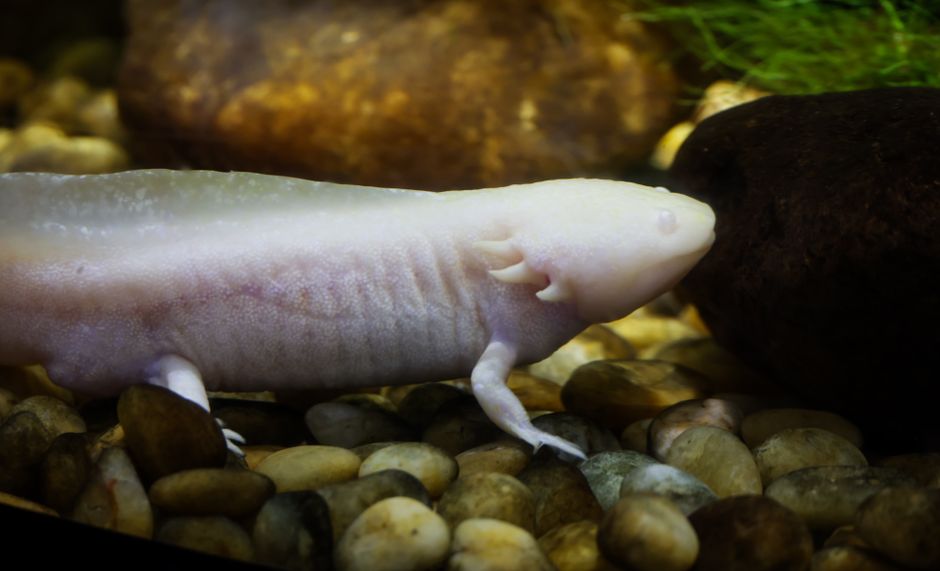 🐸Amphibians
Hellbender Salamander Guide: Facts, Habitat, Care
Meet the hellbender salamander, North America's largest aquatic amphibian known as the snot otter, and discover why rivers need them.
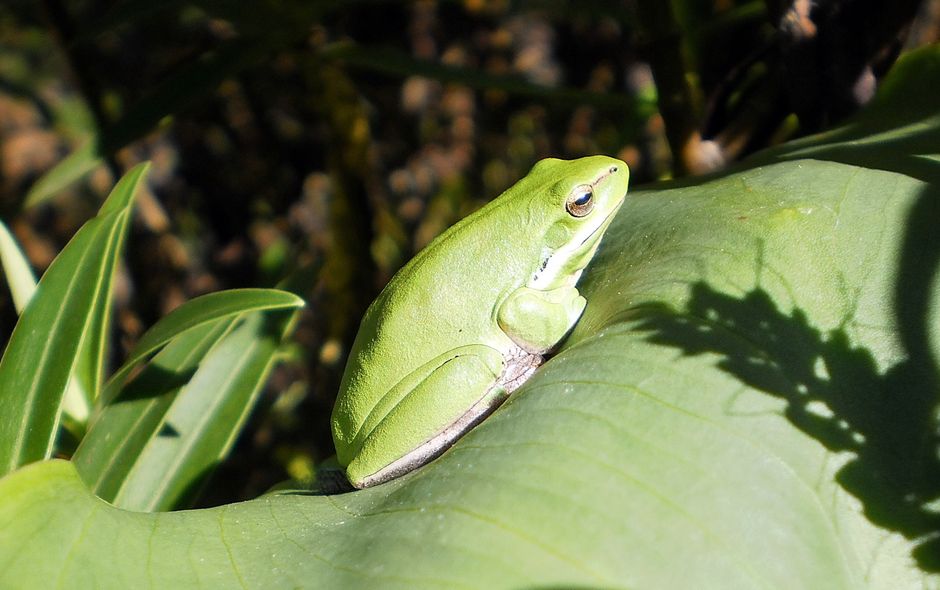 🐸Amphibians
What Do White's Tree Frogs Eat? Complete Diet Guide
Discover the ideal feeder insects, safe portion sizes, and feeding schedules to keep your pet White's tree frog healthy and thriving.
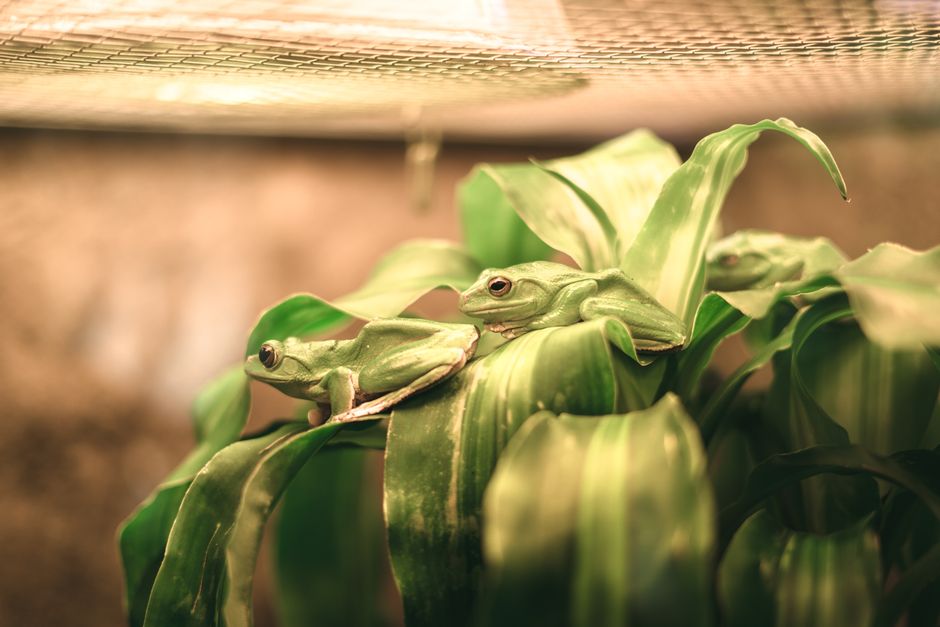 🐸Amphibians
White's Tree Frog Habitat Setup: Beginner Guide
Build the ideal White's tree frog habitat setup with proper tank size, gentle heat, humidity control, and safe substrate choices.