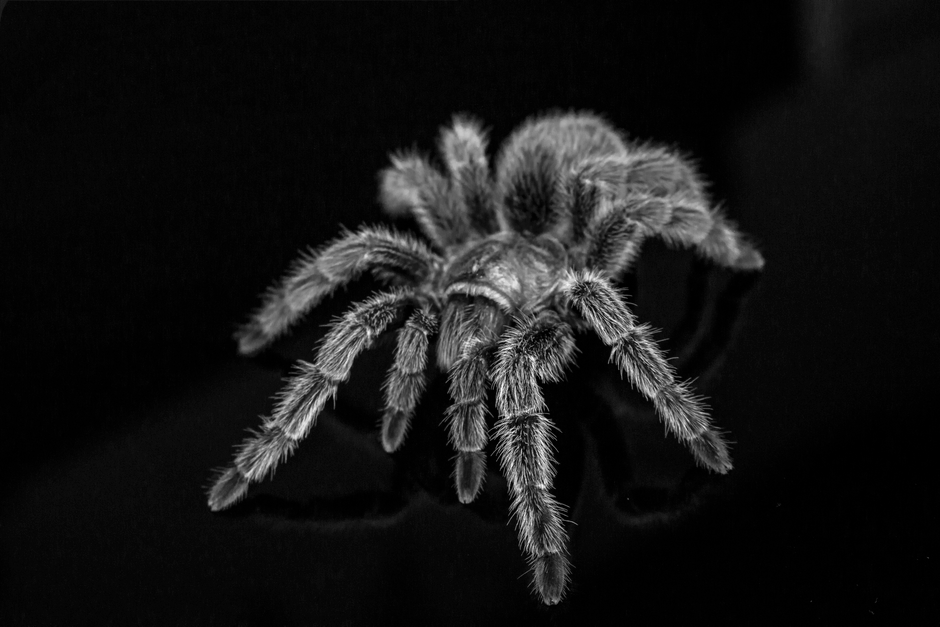
How Does the Curly Hair Tarantula Sense Its World?
If you are thinking about bringing a curly hair tarantula into your home, you might wonder what makes this fuzzy arachnid such a popular choice among exotic pet owners. Originating in Central America, this unique species has captured the interest of pet parents who want a calm, visually striking, and quiet companion. Understanding how these unique creatures interact with their surroundings helps you provide better care and build a comfortable environment for your pet.
How Does a Curly Hair Tarantula Sense Its Environment?
A curly hair tarantula experiences the world around it primarily through specialized sensory hairs covering its body and limbs. Because these spiders have relatively weak eyesight, they depend almost entirely on these delicate structures to gather crucial information about their habitat. The fine hairs on their legs pick up minute air currents, physical movement, and subtle vibrations left by activity nearby. When prey walks past or an object shifts in the room, the resulting movement travels through the substrate and triggers the spider to react instantly. This fine tuned sensory system allows them to move through dark underground burrows and pinpoint prey with remarkable precision.
Detecting Chemical and Vibrational Cues
The specialized setae distributed across their body act much like microscopic organs for smelling and tasting their surroundings. As air currents pass over these hairs, chemical molecules bind to sensitive nerve receptors, letting the spider know if food, a mate, or a threat is close by. At the same time, specialized hairs called trichobothria respond specifically to low frequency airborne vibrations. This gives the tarantula a detailed, real time map of its immediate territory without needing visual light. By paying close attention to these cues, the spider knows when to stay still, when to strike, or when to prepare a defense.
Why Do Curly Hair Tarantulas Flick Their Hairs?
A curly hair tarantula flicks its hairs as a primary natural defense mechanism when it feels startled, threatened, or stressed by its environment. Located on the spider's abdomen, these fine barbed hair structures cause noticeable discomfort to the skin, eyes, and mucous membranes of potential predators. If a threat approaches too closely in the wild or during routine terrarium maintenance, the spider quickly uses its hind legs to scrape these hairs off its body. The microscopic barbs float into the air, creating an irritating barrier that deters larger animals from disturbing the spider. Pet parents should take care to avoid putting their face directly over an open habitat to prevent accidental irritation from floating airborne bristles.
Preventing Stress in Your Pet
Keeping your spider calm is the most effective way to prevent defensive hair flicking in your home setup. Minimal handling, gentle cage maintenance, and providing plenty of hiding spots help your pet feel secure in its daily routine. Always research a species' full adult needs and behavioral traits before buying, ensuring you can offer a low stress enclosure that keeps both you and your pet safe. When you create a tranquil environment with stable conditions, your spider will rarely feel the need to use its natural defenses.
What Kind of Defensive Behaviors Do They Show?
Beyond flicking abdominal hairs, a curly hair tarantula relies on camouflage, quick retreats, and warning postures to protect itself from potential danger. Their earthy coloration and unique texture help them blend easily into the dark leaf litter and damp soil of their native Central American habitats. When disturbed by sudden movement or heavy vibrations, their initial instinct is almost always to retreat back into a deep burrow or behind a piece of cork bark. If cornered without an easy escape route, they may lift their front legs and show off their fangs in a classic threat posture to look larger to an intruder. They are generally peaceful creatures that rarely attempt to bite unless severely provoked, preferring to rely on passive defenses whenever possible.
How Should You Set Up a Safe Enclosure?
Setting up an enclosure for a curly hair tarantula requires a generous layer of deep substrate for natural burrowing and several secure hiding spots. These Central American ground dwellers spend a significant portion of their daily lives digging underground tunnels or modifying existing crevices in the earth. Providing several inches of soft, moisture retentive bedding allows them to construct sturdy burrows where their sensitive hairs can monitor ambient conditions and vibrations safely. Before making major changes to their enclosure setup, routine care, or feeding routine, it is always best to consult an exotic-animal veterinarian for specific guidance tailored to your pet. Maintaining a clean, secure habitat with access to fresh water and minimal disruptions ensures your fuzzy companion stays comfortable and healthy.
Final Thoughts
Caring for a curly hair tarantula gives pet parents a fascinating look into how invertebrates rely on unique physical adaptations to understand their environment. By respecting their specialized hair defense and offering a calm, low stress habitat, you can enjoy watching these gentle spiders express their natural behaviors. Providing deep substrate and proper hiding spots helps your fuzzy friend feel secure for years to come.
Frequently Asked Questions
Where are curly hair tarantulas native to in the wild?
Curly hair tarantulas are native to the tropical regions of Central America. They live primarily as burrowing spiders in warm forest environments.
Are curly hair tarantula hairs dangerous to humans?
The flicked hairs cause temporary skin irritation and eye discomfort rather than serious harm. It is best to handle maintenance carefully and wash your hands after working in their enclosure.
Do curly hair tarantulas have good eyesight?
No, curly hair tarantulas have weak vision compared to many other animals. They rely mainly on sensory hairs on their body to detect vibrations and light changes.
Why is my tarantula kicking hair when I open the tank?
Tarantulas kick hair when they feel startled or threatened by sudden air movement or vibrations. Moving slowly during habitat maintenance helps keep your pet calm.
Explore More Invertebrates Guides
 🕷️Invertebrates
Praying Mantis Not Eating? Key Causes and Fixes
Discover why your praying mantis is refusing food, how to spot premolt signs, and what you can do to get them eating safely again.
 🕷️Invertebrates
Why Is My Hermit Crab Buried? Key Reasons
Learn why hermit crabs bury themselves in the substrate, how to tell if they are molting, and why you should never dig them up.
 🕷️Invertebrates
Why Is My Tarantula on Its Back? Molting vs Dying
A tarantula on its back is almost always preparing to molt. Learn how to tell molting from illness and how to keep your pet safe.