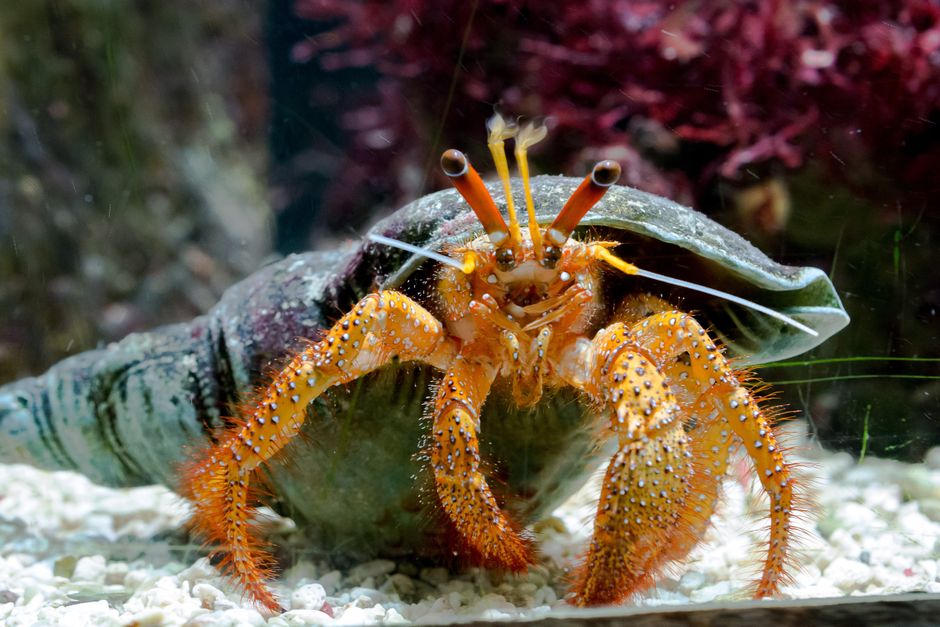
Hermit Crab Out of Shell: Causes and Quick Fixes
Finding a hermit crab out of shell can feel terrifying for any pet parent. When a hermit crab leaves its protective home, it exposes its soft, vulnerable abdomen to dry air, bacteria, and cage mates, making this an urgent health emergency that requires fast action to keep your pet alive.
A hermit crab relies on a snail shell to stay hydrated, maintain pressure on its modified gills, and protect its soft body from injury. While you might feel anxious, staying calm and following the right emergency protocol will give your crab the best chance to reshell and recover.
What to Do First When a Hermit Crab Leaves Its Shell
When you see a hermit crab out of shell, isolate it immediately in a clean, humid container with shallow dechlorinated water and several boiled, clean shells. Taking quick action shields the crab from injury and prevents its delicate abdomen from drying out while it regains strength.
Prepare an isolation container such as a plastic shoebox or clean food-grade tub. Moisten a clean paper towel with warm dechlorinated freshwater and line the bottom. Gently guide the crab into the container using a clean plastic spoon or a wet gloved hand. Avoid grabbing the crab by its bare abdomen, because that area has no hard armor and tears easily.
Place three to four clean shells inside the isolation bin near the crab. Choose shells that match the size of its old shell, along with one slightly smaller and one slightly larger option. Cover the container with a vented lid to lock in humidity, then place the tub in a quiet, dark spot. Check on your crab every twenty minutes to see if it has tucked itself back inside.
Creating an Emergency Isolation Mug
If you do not have a spare bin ready, an emergency mug setup works fast. Take a smooth coffee mug or small glass bowl and wipe it clean with dechlorinated water. Add a tiny splash of dechlorinated freshwater to the bottom, just enough to barely coat the base without covering the crab.
Set the naked crab inside along with its old shell and one alternate option. Cover the top of the mug with a damp paper towel or a loose lid. The smooth, curving sides of the mug prevent the crab from wandering away, gently directing its back end toward the open shell openings.
Why Is My Hermit Crab Out of Its Shell?
A hermit crab leaves its shell primarily because of severe environmental stress, illness, poor shell fit, or exhaustion following a rough molt. Healthy crabs strongly prefer to stay tucked inside their mobile homes, so leaving a shell is always a signal that something in the tank is wrong.
Low humidity is one of the most common reasons a crab abandons its shell. Hermit crabs breathe through modified gills that require constant moisture in the air. If the air in the crabitat becomes too dry, the water held inside the shell evaporates. The crab may crawl out in search of moisture or drop the shell because it feels heavy and suffocating.
Extreme temperatures also trigger shell abandonment. If the tank gets too hot or drops too cold, the crab becomes disoriented. When crabs overheat, they may ditch their shell in an attempt to cool off. High heat can weaken a crab rapidly, so monitoring tank conditions daily is essential for their safety.
Just like unusual defense reflexes seen across the animal world, such as the escape behavior of the cartwheeling snake, invertebrates also show drastic survival responses when their surroundings become hostile. For a hermit crab, stepping out of its home is a desperate reaction to an unlivable situation.
Common Shell Problems That Force Crabs Out
A hermit crab will abandon its shell if the shell is cracked, too heavy, infested with mites, or the wrong shape for its species. Crabs are picky about shell architecture, and forcing them to wear improper shells creates chronic discomfort.
Different crab species prefer different shell openings. Purple pincher hermit crabs, the most common pet species, prefer shells with round or circular openings, like turbo shells. Ecuadorian hermit crabs prefer shells with oval or slit-shaped openings, such as babylonia shells. If you only provide the wrong shell shape, your crab may give up and leave its shell when it outgrows its current home.
Here are several shell issues that cause crabs to abandon their homes:
- Shells that are painted or coated in toxic sealants, which make crabs sick and chip into their food.
- Shells filled with dried sand, substrate clumps, or waste that reduce internal space.
- Cracked or punctured shells that can no longer hold the humidity needed to keep gills moist.
- Aggression from tank mates attempting a shell fight to steal a coveted shell.
- Shells that are too tight to allow the crab to tuck back fully when threatened.
Always boil natural shells in dechlorinated marine saltwater before offering them. Boiling removes bacteria, rinses out debris, and leaves a salty film that crabs find appealing.
How to Tell If an Unshelled Hermit Crab Is Molting or Dying
You can tell if an unshelled hermit crab is molting rather than dying by looking for a discarded exoskeleton, monitoring for slight twitching, and checking for a pungent fishy odor. A molting crab appears limp and dull, but a dead crab develops a distinct, unmistakable smell of rotting seafood within hours.
During a molt, a crab sheds its hard outer skin, including the coverings on its claws and legs. Pet owners often mistake a hollow, discarded skin for a dying crab. If you see what looks like an empty crab lying beside your pet, look closer. If the object is hollow with an open back, it is simply an exoskeleton. A molting crab must stay undisturbed in high humidity so its new soft skin can harden properly.
If your crab is completely naked and unresponsive, gently observe its small mouthparts or antennae. A live crab often twitches these small appendages when lightly stimulated by warm, humid air. As a welfare note, research the full humidity, substrate, and diet requirements of your specific crab species, and consult an exotic animal veterinarian if your crab remains unresponsive or limp for more than a day.
Caring for a Weak or Surface-Molting Crab
If your crab decided to molt on the surface of the substrate instead of digging down, never pick it up bare-handed. Its new skin is as soft as gelatin and easily bruised. Cut a plastic two-liter soda bottle in half and press the top dome into the substrate over the crab to protect it from tank mates.
Make sure the dome has small air holes. Place its old shell and a small bottle cap of fresh water and marine water under the dome. Leave the crab in darkness and resist the urge to handle it. The crab will usually eat its old exoskeleton to regain calcium, then climb back into a shell once its body begins to harden.
Preventing Shell Abandonment in Your Crabitat
To prevent shell abandonment, maintain a deep layer of moist sand and coconut fiber, stable warm temperatures, constant high humidity, and an abundant supply of properly sized spare shells. Providing a secure habitat stops stress before it causes your crab to strip off its shell.
Keep a shell shop in the corner of your crabitat at all times. As a general rule, provide at least three to five spare natural shells per crab, covering sizes slightly smaller, equal to, and larger than their current home. Having plenty of variety stops bullying and shell fights between cage mates.
Ensure your tank substrate is deep enough for crabs to burrow completely. The mix should consist of five parts play sand to one part eco earth, moistened to sandcastle consistency. When your crabs have a safe environment to bury themselves and molt naturally underground, they rarely abandon their shells on the surface.
Final Thoughts
Finding a hermit crab out of shell requires fast, gentle action, but keeping humidity high and offering clean choices often resolves the issue quickly. With calm isolation, proper shell selection, and steady environmental conditions, your crab can safely reshell and thrive in its habitat. Explore more RarePetCare guides to learn best practices for habitat maintenance, invertebrate diets, and exotic pet care.
Frequently Asked Questions
Can a hermit crab survive without its shell?
A hermit crab cannot survive long without its shell because its bare abdomen dries out and its modified gills fail to work. Without emergency isolation and reshelling, an exposed crab can die within hours to a few days.
Should I force my hermit crab back into its shell?
Never force or push a hermit crab into a shell, because you can easily crush its fragile abdomen. Instead, place the crab and several clean shells together in a small, humid container so it can back in voluntarily.
Why did my hermit crab leave its shell to die?
Crabs do not deliberately leave their shells to die, but severe illness, extreme dehydration, or toxic fumes weaken them until they can no longer carry the shell weight. When organ failure or total exhaustion sets in, dropping the shell is often the final symptom.
How long will a hermit crab stay out of its shell?
Most crabs will choose a shell within a few minutes to several hours once placed in a dark, humid isolation space with properly sized options. If a crab remains unshelled for more than 24 hours, severe stress or illness is likely preventing it from moving.
Explore More Invertebrates Guides
 🕷️Invertebrates
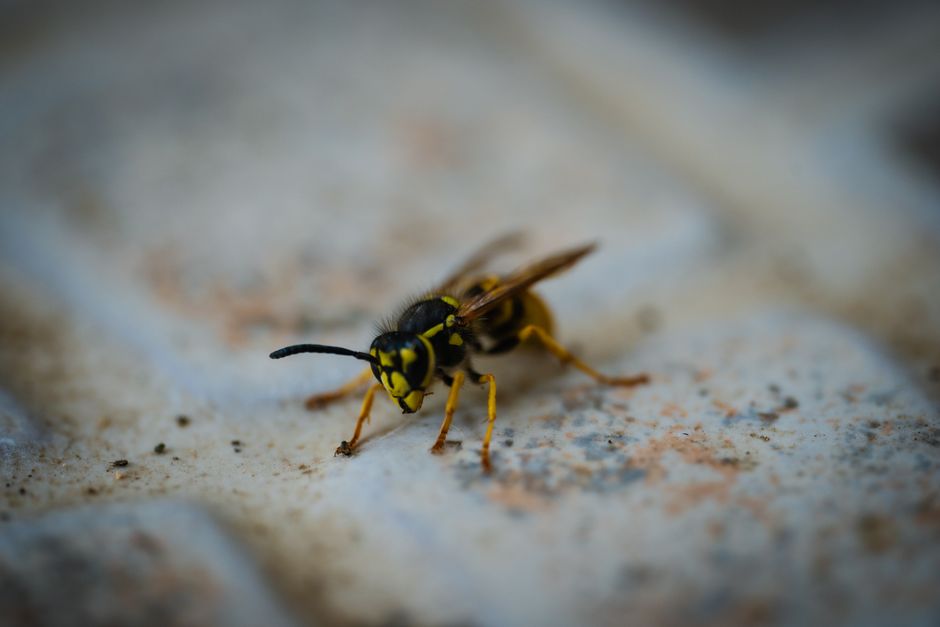
Are Yellowjackets Dangerous? Sting Risks and Safety
Learn how dangerous yellowjackets really are, what their venom does, and how to protect yourself and your outdoor pets from painful attacks.
 🕷️Invertebrates
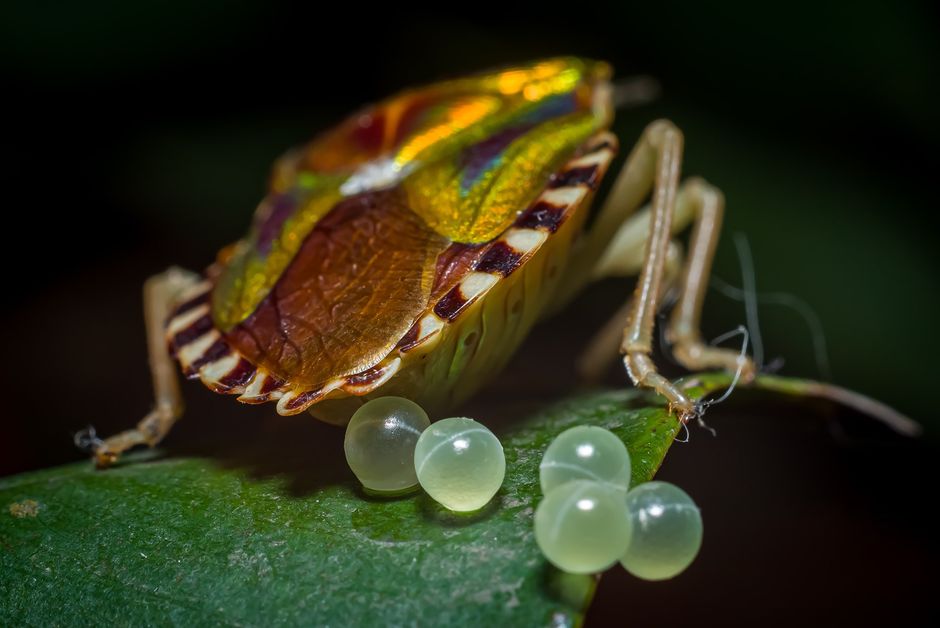
Male Water Bug Carrying Eggs: Surprising Insect Fathers
Learn why the predatory giant water bug father takes on the exhausting task of carrying dozens of eggs glued to his back.
 🕷️Invertebrates
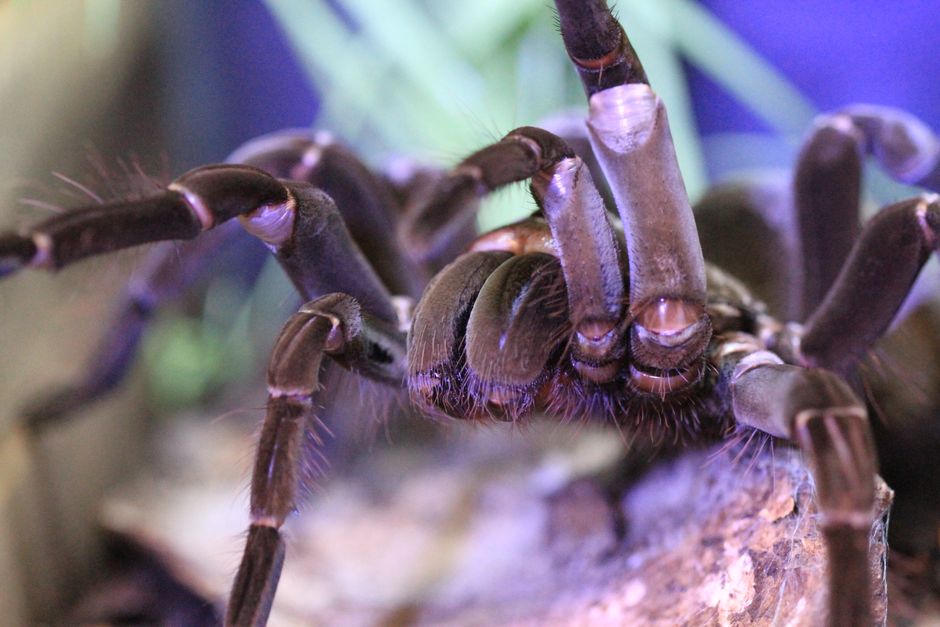
How Do Tarantulas Eat? The Surprising Process
Discover how tarantulas eat through external digestion, breaking down prey into liquid before consuming it.