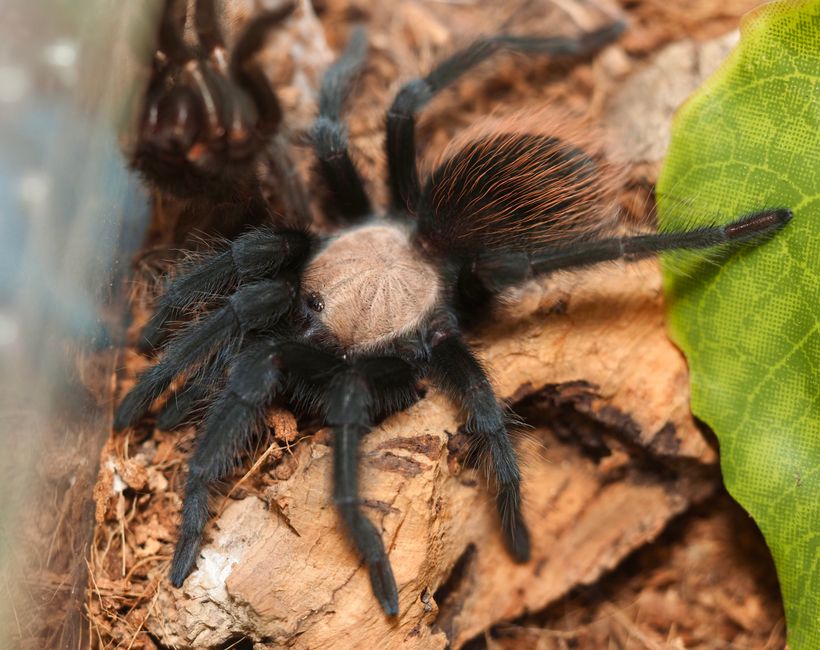
Tarantula on Its Back: Molting Signs and What to Do
Finding your pet tarantula on its back can make your heart skip a beat. In almost every case, a tarantula on its back is simply preparing to molt rather than suffering from an illness or passing away. Tarantulas flip upside down to use gravity while sliding out of their old, rigid exoskeleton, making this posture a normal part of healthy spider growth.
For new keepers, this sight triggers panic because many other animals lie belly-up only when gravely ill. With spiders, the opposite is true. Understanding the molting process, knowing what physical cues to monitor, and giving your pet quiet space will help you support your spider through this delicate life stage.
Why Is My Tarantula on Its Back?
A tarantula flips onto its back because that position gives it the mechanical leverage needed to shed its old exoskeleton. Molting upside down allows the spider to use gravity and fluid pressure to pull its legs, abdomen, and sensory organs out of the tight skin without getting trapped.
Before flipping over, most terrestrial and fossorial species weave a flat sheet of silk on the enclosure floor known as a molt mat. This clean silk carpet keeps dirt and debris away from the vulnerable new skin. Once the mat is complete, the spider rolls over, spreads its legs outward, and begins the slow process of breaking open the old carapace.
You should never try to flip the spider right side up. Disturbing an inverted tarantula can tear its fragile new skin, rupture its abdomen, or cause a fatal stuck molt. If you see your spider resting in this position on a silk pad, leave it completely alone.
Is My Tarantula Molting or Dead?
You can tell if a tarantula is molting or dead by looking closely at the position of its legs. A molting tarantula lies on its back with its legs relaxed and pointing loosely upward or slightly outward, whereas a dead tarantula curls its legs tightly beneath its body in what hobbyists call a death curl.
Spiders do not use extensor muscles to straighten their legs. Instead, they pump hydraulic fluid called hemolymph into their limbs. When a tarantula dies or suffers severe dehydration, this fluid pressure drops completely, causing the legs to fold inward under the cephalothorax. A dying spider almost always rests right side up or on its side with clenched legs, not flat on its back with an open posture.
There is also an uncommon posture called a stress curl, where an upset spider pulls its legs close to hide its face. Unlike a true death curl, a stressed spider still holds tension in its body and reacts if gently prompted. Similar to how keepers monitor a hermit crab out of shell to spot early signs of distress, observing your invertebrate's posture gives you clear clues about its true condition.
Signs Your Tarantula Is Getting Ready to Molt
Before flipping upside down, your spider will show several clear behavioral and physical changes known as premolt. Recognizing these signs helps you prepare the enclosure and avoid unnecessary worry when your pet suddenly hides or refuses meals.
Refusing Food and Guarding the Burrow
A sudden refusal to eat is usually the first sign of premolt. A spider that normally pounces on crickets may ignore prey completely or kick hairs to chase food away. Terrestrial species often seal the entrance to their hide with heavy webbing and substrate, shutting out the outside world until the shed is finished. This fasting period can last a few days for spiderlings or several months for mature females.
Darkening Skin and Dull Abdomen
New world tarantulas often develop a bald patch on the abdomen from kicking urticating hairs when disturbed. As molting approaches, this bald skin changes color from pale pink or creamy white to a deep, shiny black or mirror-like dark grey. This color change happens because the new, pigmented exoskeleton and hairs are developing directly beneath the old, thinning skin.
Other common signs of upcoming molting include:
- Sluggish movement and low activity levels during the evening hours.
- Spinning an unusually thick layer of webbing along the substrate floor.
- A plump, stretched abdomen that looks shiny or cloudy.
- Cloudy or dull-looking eyes that lack their usual gloss.
What Should You Do While Your Tarantula Is Molting?
The most important step you can take while your tarantula is on its back is to avoid all physical contact and keep the enclosure quiet. Molting requires immense physical effort, and any vibration, airflow, or light disturbance can cause the spider to pause, which increases the risk of getting stuck.
Check the enclosure for live feeder insects immediately. If there are crickets, roaches, or mealworms running loose, carefully remove them without shaking the tank. Hungry feeder insects can chew on the soft, defenseless tarantula while it lies inverted, causing fatal wounds or severe deformities. If you cannot reach an insect without nudging the spider, place a small piece of vegetable near the feeder to distract it.
Maintain appropriate ambient humidity by keeping the water dish full or moistening a small corner of the substrate, but never mist the spider directly. Blasting a molting tarantula with water droplets can startle the animal and cause fluid to enter its book lungs, which sit openly on the underside of the abdomen. If you notice persistent issues across multiple molts, consult an exotic-animal veterinarian or an experienced local breeder for personalized enclosure advice.
How Long Does Tarantula Molting Take?
Tarantula molting can take anywhere from under an hour to well over twelve hours depending entirely on the spider's size and age. Small spiderlings often slip out of their old skins in thirty to sixty minutes, while mature adults require half a day or longer to complete the process.
The shed happens in distinct stages. First, the old carapace pops off like a hinged lid. Next, the spider steadily pumps its body to slide its soft legs, chelicerae, and abdomen free. After freeing itself, the spider rests beside the discarded molt, looking soft and pale while its fresh skin expands and begins to harden.
Do not attempt to feed your pet right after it successfully molts. The spider's new fangs are soft, milky white, and extremely vulnerable to breakage. Feeding too early can cause a tarantula to break its fangs on an insect shell, leaving it unable to eat until the next molt. Wait at least five to seven days for small spiderlings, and up to two full weeks for large adults, before offering live food again.
Final Thoughts
Seeing a tarantula on its back can be an alarming sight for beginners, but it almost always represents a completely normal, healthy stage of growth. By leaving your pet alone in a calm habitat and removing live prey, you give your spider the best chance at a smooth shed. Check out more practical invertebrate care guides on RarePetCare to keep all of your exotic companions thriving.
Frequently Asked Questions
Should I mist my tarantula when it is on its back?
No, you should never spray water directly onto an upside-down tarantula. Direct water droplets can panic the spider or drown it through its exposed book lungs.
How long can a tarantula stay on its back before molting begins?
A tarantula may lie motionless on its back for several hours before the carapace visibly pops open. This resting phase is normal and helps the spider build internal hydraulic pressure.
What should I do if my tarantula gets stuck in its molt?
If your tarantula appears stuck for more than a day, apply a tiny drop of plain water or vegetable glycerin with a soft paintbrush to lubricate the stuck limb. Never pull the skin with force, as this can tear limbs or rupture the abdomen.
Can a tarantula molt right side up?
While rare, some tarantulas do molt upright or on their sides, particularly arboreal species resting in web hammocks. However, lying on the back remains the safest and most common orientation for terrestrial spiders.
Explore More Invertebrates Guides
 🕷️Invertebrates
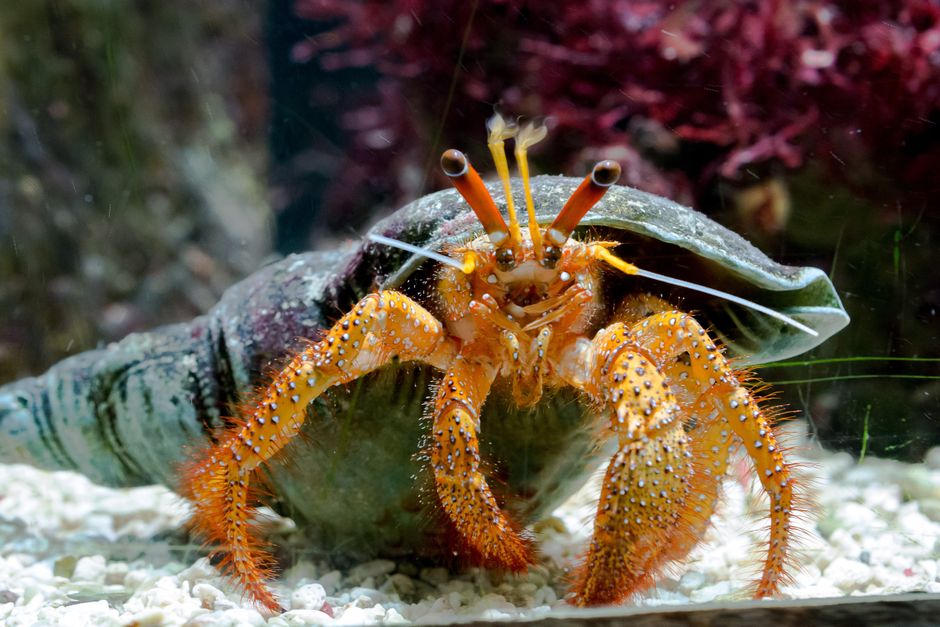
Hermit Crab Out of Shell: Causes and Quick Fixes
A naked hermit crab is an emergency. Discover why crabs leave their shells and the exact steps to get them back inside safely.
 🕷️Invertebrates
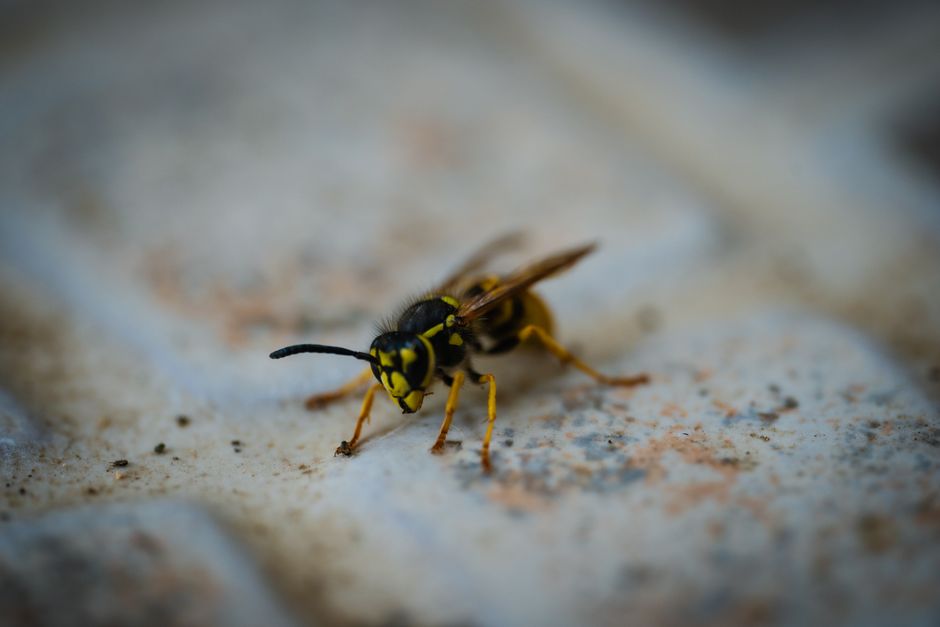
Are Yellowjackets Dangerous? Sting Risks and Safety
Learn how dangerous yellowjackets really are, what their venom does, and how to protect yourself and your outdoor pets from painful attacks.
 🕷️Invertebrates
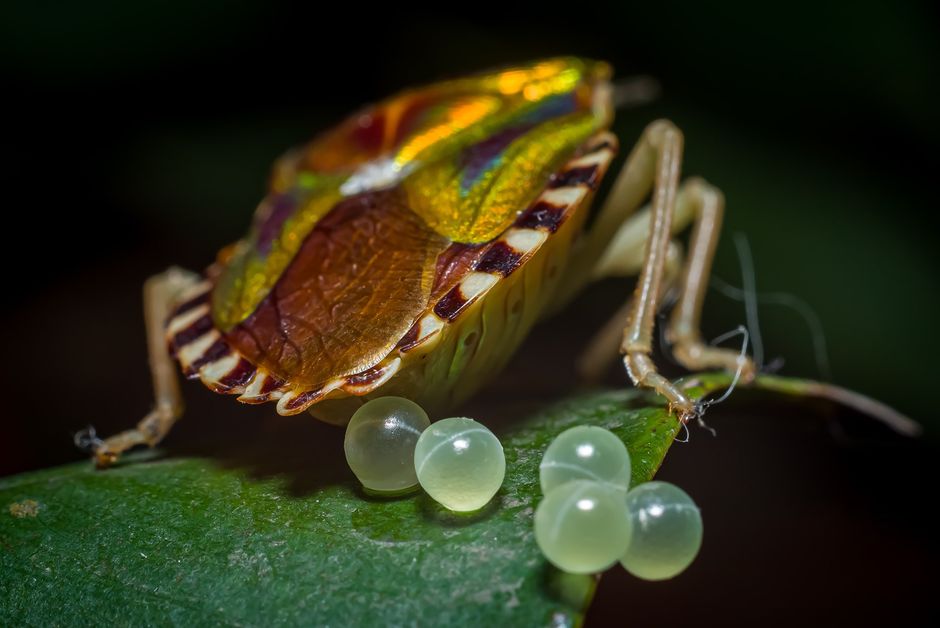
Male Water Bug Carrying Eggs: Surprising Insect Fathers
Learn why the predatory giant water bug father takes on the exhausting task of carrying dozens of eggs glued to his back.