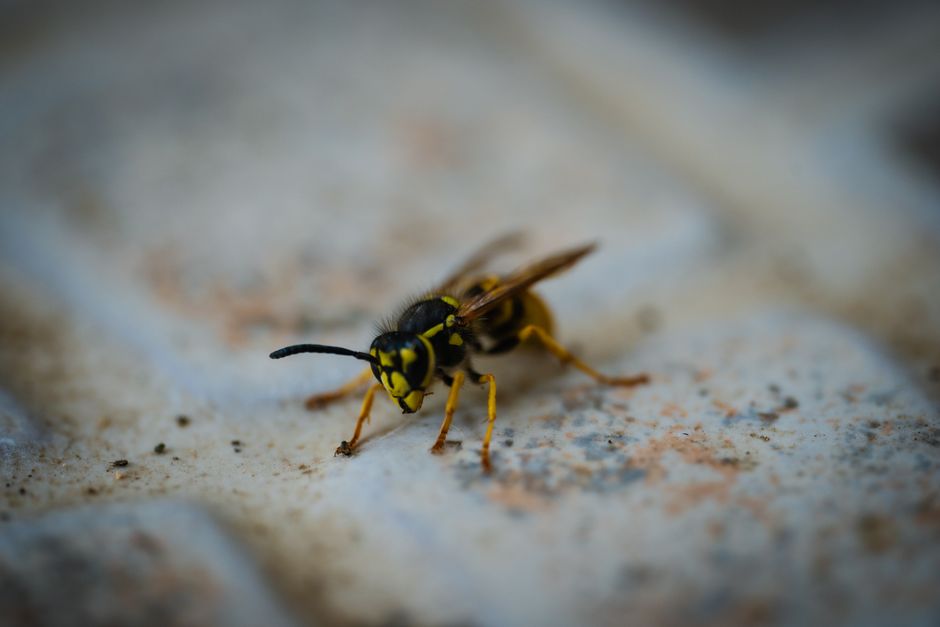
Are Yellowjackets Dangerous? Sting Risks and Safety
When wildlife presenter Coyote Peterson placed his bare arm into a chamber packed with two hundred angry wasps, he showed viewers just how fast an encounter can spiral out of control. Many homeowners and animal lovers wonder, are yellowjackets dangerous when disturbed in a backyard setting? Yellowjackets are indeed dangerous because they defend their colonies aggressively, possess smooth stingers that allow repeated attacks, and inject venom that triggers severe pain, swelling, and potentially fatal systemic allergic reactions in sensitive people and pets.
Understanding yellowjacket behavior helps you stay safe around your yard while keeping outdoor enclosures secure. Knowing their sting mechanics and defensive habits gives you the knowledge to handle sudden encounters with confidence.
How Dangerous Are Yellowjackets to Humans and Pets?
Yellowjackets are dangerous primarily due to their intense defensive instincts and their ability to sting a target multiple times in seconds. Unlike honeybees that leave their stinger behind and die, these social wasps retain their weapon and deliver venom with every strike. A single yellowjacket can cause sharp localized pain, but an agitated nest can overwhelm a person or curious pet with dozens of stings at once.
For most healthy adults, a stray sting results in a burning sensation followed by localized swelling and redness. The danger increases dramatically if someone suffers from a venom allergy or stumbles directly onto an underground nest. When yellowjackets perceive a threat to their queen and brood, they release an alarm pheromone that summons worker wasps to swarm the area. In these mass attacks, the total volume of injected venom quickly becomes a medical emergency.
Why Multiple Yellowjacket Stings Pose Greater Risks
Receiving dozens or hundreds of stings forces the body to process a substantial volume of toxic proteins all at once. Coyote Peterson tested this firsthand, sustaining dozens of punctures in a controlled setting and experiencing rapid swelling, intense burning, and bodily stress. While wild encounters rarely match that exact scenario, mowing over a hidden ground nest can easily trigger a swarm of fifty or more aggressive wasps.
Multiple stings can cause dizziness, nausea, vomiting, fever, and muscle breakdown even in people who have never shown an allergy before. When pets such as dogs, free-roaming cats, or outdoor rabbits disturb a nest, their smaller body mass makes them far more vulnerable to toxic shock. If your outdoor companion is swarmed, consult an exotic-animal veterinarian or emergency animal hospital immediately rather than waiting for symptoms to fade.
What Does Yellowjacket Venom Actually Do?
Yellowjacket venom contains a mixture of peptides, enzymes, and amines designed to break down cellular membranes, stimulate nerve endings, and cause acute local inflammation. The primary active components include melittin-like peptides, phospholipases, and hyaluronidase. Together, these compounds break apart local tissue barriers so the venom spreads rapidly through the bloodstream and surrounding muscles.
Histamine, acetylcholine, and serotonin within the venom trigger instant pain signals that race along sensory nerves to the brain. This immediate sharp shock is followed by sustained aching, itching, and throbbing that can persist for several days. The venom also increases blood vessel permeability, which leads to fluid accumulation, noticeable swelling, and tight skin around the sting site.
Because the venom components cause tissue destruction, areas with delicate skin can develop secondary bacterial infections if scratched. Keeping the area clean and applying cold compresses helps limit swelling while reducing the risk of contamination from dirty fingernails or pet paws.
What Are the Warning Signs of an Allergic Reaction?
A severe allergic reaction to wasp venom, known as anaphylaxis, causes systemic shock, airway constriction, and a sudden drop in blood pressure within minutes of a sting. While typical localized reactions involve red skin and swelling limited to a small area around the puncture, anaphylaxis involves total-body symptoms that require instant emergency care. Anyone showing signs of an allergic response needs an immediate dose of epinephrine and swift transport to an emergency room.
Knowing the difference between a normal reaction and a life-threatening crisis can save lives. Watch for these distinct signs of a severe reaction after any sting encounter:
- Difficulty breathing, persistent wheezing, or tightness in the chest and throat.
- Swelling of the tongue, lips, face, or neck that interferes with swallowing.
- Hives, generalized itching, or flushed skin appearing far away from the sting location.
- Dizziness, lightheadedness, confusion, or a sudden fainting spell caused by plummeting blood pressure.
- Nausea, intense abdominal cramping, or sudden vomiting.
If you or a family member have a known wasp allergy, always keep two unexpired epinephrine auto-injectors close at hand during outdoor activities. The same vigilance applies to outdoor pets, who can suffer fatal throat swelling if they try to snap at or eat a buzzing wasp.
How Can You Protect Outdoor Pets and Habitats from Wasps?
You can protect outdoor animals from wasps by inspecting your yard routinely, sealing entry points on outdoor enclosures, and removing uncovered food sources like sweet fruits and open pet food bowls. Yellowjackets are opportunistic scavengers drawn to both sugars and proteins. In late summer and early autumn, their natural food supplies decline, making outdoor dog runs, aviaries, and rabbit hutches prime targets for hungry wasps.
Keep pet dishes inside or clear away leftover food within twenty minutes of feeding. Sweet fallen fruit from backyard trees should be picked up daily, as rotting fruit produces fermenting sugars that attract hundreds of foraging wasps. Check fence posts, hollow tree trunks, and soil cavities near pet pens where aerial or subterranean nests often take shape.
If you keep exotic outdoor species or find injured wildlife while clearing your yard, contacting a local exotic animal rescue group can help you navigate proper care without risking unwanted insect stings. Much like dealing with other hazardous wild creatures, such as venomous sea snakes washed up along coastlines, respecting a wild animal's defensive strike zone is the best way to prevent accidental harm.
Safe Ways to Handle a Yard Infestation
Handling a mature yellowjacket nest requires caution and the proper protective gear to prevent an angry swarm from pursuing you. Underground nests are especially tricky because a lawnmower passing overhead creates ground vibrations that the wasps interpret as an active attack. Never pour gasoline or harsh household chemicals into the soil, as this poisons the ground and creates severe fire hazards.
Instead, follow these practical steps to manage a nest without getting hurt:
- Locate the entrance during daylight hours by watching for steady flight traffic from a safe distance of twenty feet or more.
- Treat the nest at night or before dawn when worker wasps are resting inside and flight activity is near zero.
- Wear thick, long-sleeved clothing, gloves, and eye protection, making sure pant legs are tucked securely into boots.
- Use a red filter over your flashlight, as wasps cannot see red light and will not fly toward your hands.
- Call a licensed pest professional if the nest is large, located inside structural walls, or positioned near outdoor animal housing.
Final Thoughts
So, are yellowjackets dangerous when encountered in everyday life? While a single wasp will rarely cause long-term harm to a healthy individual, their aggressive colony defenses and potent venom make them a genuine hazard that deserves your respect. Keep outdoor animal pens clean, check your yard for ground burrows, and give active nests plenty of space. Explore our other guides on RarePetCare to discover practical ways to keep your backyard wildlife and companion animals thriving in safe harmony.
Frequently Asked Questions
Can a yellowjacket sting more than once?
Yes, yellowjackets have smooth stingers that do not pull out of their bodies, allowing a single wasp to sting repeatedly in rapid succession.
What should I put on a yellowjacket sting immediately?
Wash the area with soap and water, then apply a cold ice pack wrapped in a cloth for ten to fifteen minutes to reduce swelling and numb pain.
Why are yellowjackets more aggressive in the fall?
As autumn approaches, colony populations peak while natural food resources dwindle, making worker wasps desperate for carbohydrates and quick to defend what they find.
Are yellowjacket stings dangerous to pet dogs and cats?
Yes, multiple stings can cause toxic shock in pets, and a sting inside the mouth or throat can swell up and block the animal's airway.
Explore More Invertebrates Guides
 🕷️Invertebrates
Male Water Bug Carrying Eggs: Surprising Insect Fathers
Learn why the predatory giant water bug father takes on the exhausting task of carrying dozens of eggs glued to his back.
 🕷️Invertebrates
How Do Tarantulas Eat? The Surprising Process
Discover how tarantulas eat through external digestion, breaking down prey into liquid before consuming it.
 🕷️Invertebrates
Gooty Sapphire Ornamental Tarantula: Care and Facts
Discover the rare Gooty sapphire ornamental tarantula, including its vivid blue coloring, natural habitat, and essential care tips.