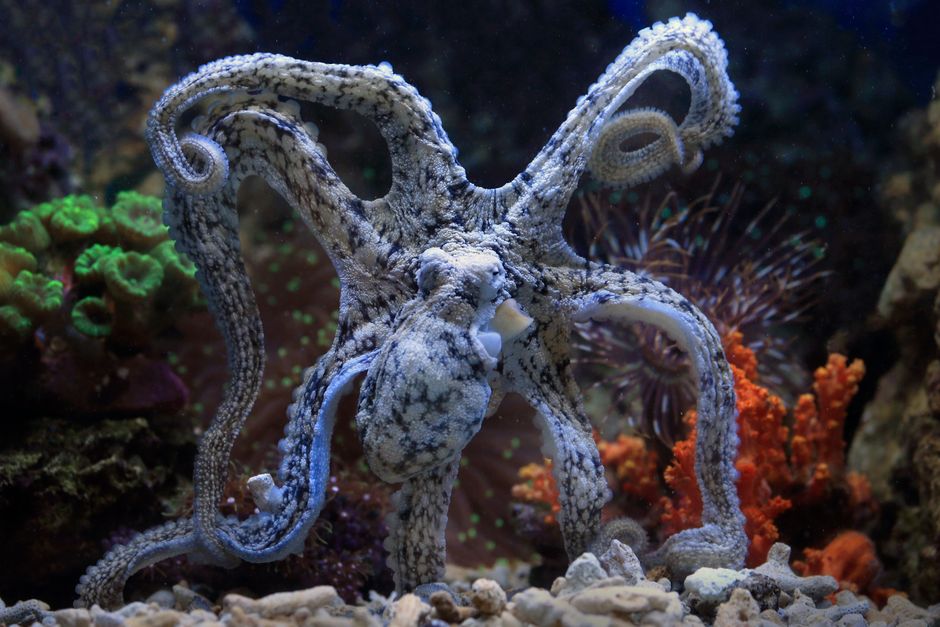
How Does the Mimic Octopus Change Its Shape?
If you have ever seen video of an ocean creature shifting its shape to look like a sea snake, you might wonder how such a transformation is possible. The mimic octopus is famous among aquatic pet lovers and marine enthusiasts for its rare ability to impersonate entirely different species on demand. Understanding how this incredible sea creature changes shapes helps us appreciate just how intelligent marine life can be.
Which Animals Does a Mimic Octopus Copy?
A mimic octopus primarily copies venomous ocean animals like sea snakes, lionfish, and stingrays to protect itself from predators. When a threat draws near, this clever invertebrate changes its posture, skin color, and movement patterns to match an animal that larger hunters naturally avoid. If an aggressive damselfish approaches, the octopus can slide into a sandy burrow and extend two striped arms in opposite directions, making itself look like a dangerous sea snake. In open water, it can pull its arms back, spread them out wide, and swim slowly to recreate the striking look of a spiky lionfish. It can also flatten its body and trail its arms behind as it glides along the sea floor, imitating a venomous stingray. By taking on the appearance of dangerous ocean neighbors, the octopus stays safe from harm without ever having to engage in a physical fight.
How Does the Mimic Octopus Decide Which Shape to Take?
The mimic octopus selects its visual disguise based on the specific predator or threat it encounters in its environment. Marine researchers have observed that this ocean dweller does not pick shapes at random, but instead assesses the exact nature of the danger before taking action. It seems to know which dangerous sea creature will frighten a specific enemy the most. For instance, when confronted by territorial damselfish, the octopus specifically chooses to mimic a sea snake, which happens to be a natural predator of those damselfish. This calculated defensive strategy relies on active decision making, which is a truly remarkable trait for an invertebrate.
How Do Color and Physical Changes Work?
The octopus alters its physical appearance using thousands of specialized pigment cells located directly beneath its skin. These microscopic color changing organs, known as chromatophores, allow the animal to shift colors in less than a second. Tiny muscle rings expand or contract around these pigment cells to display bright white bands, dark browns, or sandy yellow tones. In addition to color shifting, the octopus uses precise muscle control across its flexible body to alter skin texture and form specific shapes, completing the illusion.
Can You Keep a Mimic Octopus as a Pet?
No, a mimic octopus is not suitable for standard home aquariums and should only be cared for by professional aquarists in specialized facilities. While aquatic pet parents are often drawn to unusual cephalopods, caring for this species at home is extremely difficult and rarely ends well for the animal. These delicate sea creatures require vast space, live food sources, and fragile water balance that standard home setups cannot easily reproduce. Before considering any rare or exotic marine animal for your home, you should always consult an exotic aquatic specialist to discuss appropriate species care, tank sizing, and ethical considerations. Keeping highly specialized wild animals without proper preparation can lead to severe health issues and high stress levels for the pet.
What Are the Space and Water Requirements?
Mimic octopuses require large marine enclosures equipped with deep sandy substrates and pristine water conditions. In the wild, they spend the majority of their time buried under warm shallow sand or exploring open estuary floors searching for small crabs and fish. A home tank cannot comfortably provide the vast surface area and rich sand beds these animals need to thrive. Additionally, cephalopods produce significant waste, meaning water parameters can shift rapidly without high capacity commercial filtration systems. Fluctuations in temperature, salinity, or water cleanliness can be fatal to such sensitive invertebrates.
What Makes the Mimic Octopus Unique Among Cephalopods?
The mimic octopus is unique because it is the only known marine animal capable of copying multiple distinct animal species rather than simply blending into background scenery. Most standard cephalopods use camouflage to vanish into rocks, coral reefs, or sandy seabeds. The mimic octopus goes several steps further by actively mimicking the motion, shape, and behavior of completely different living animals. Instead of hiding from sight, it places itself in plain view while pretending to be a dangerous creature that predators prefer to leave alone. This active form of physical deception makes it one of the most remarkable subjects in marine biology.
Final Thoughts
Exploring the marvelous habits of the mimic octopus gives us a greater appreciation for the incredible diversity of marine life. While this shape shifting invertebrate belongs in the wild ocean or dedicated public research aquariums, learning how it defends itself inspires aquatic enthusiasts everywhere. Always remember to research proper pet suitability before bringing any rare aquatic creature into your home environment.
Frequently Asked Questions
Where does the mimic octopus live in the wild?
The mimic octopus lives in warm, shallow coastal waters and tropical estuaries across the Indo-Pacific region. It prefers soft, sandy or muddy sea floors where it can burrow and forage for food.
What does a mimic octopus eat?
A mimic octopus eats small crustaceans, crabs, worms, and tiny fish found along the ocean bed. It uses its long, flexible arms to probe sandy burrows and flush out small prey.
Is the mimic octopus poisonous or dangerous to humans?
No, the mimic octopus is not considered dangerous to humans and does not possess deadly venom like the blue-ringed octopus. It relies on trickery and copying venomous animals rather than toxins to stay safe.
How big does a mimic octopus grow?
A mimic octopus reaches a modest adult length of about two feet, including its long arms. Its body is relatively small and slender, which allows it to squeeze into tight sandy burrows.
Explore More Invertebrates Guides
 🕷️Invertebrates
Praying Mantis Not Eating? Key Causes and Fixes
Discover why your praying mantis is refusing food, how to spot premolt signs, and what you can do to get them eating safely again.
 🕷️Invertebrates
Why Is My Hermit Crab Buried? Key Reasons
Learn why hermit crabs bury themselves in the substrate, how to tell if they are molting, and why you should never dig them up.
 🕷️Invertebrates
Why Is My Tarantula on Its Back? Molting vs Dying
A tarantula on its back is almost always preparing to molt. Learn how to tell molting from illness and how to keep your pet safe.