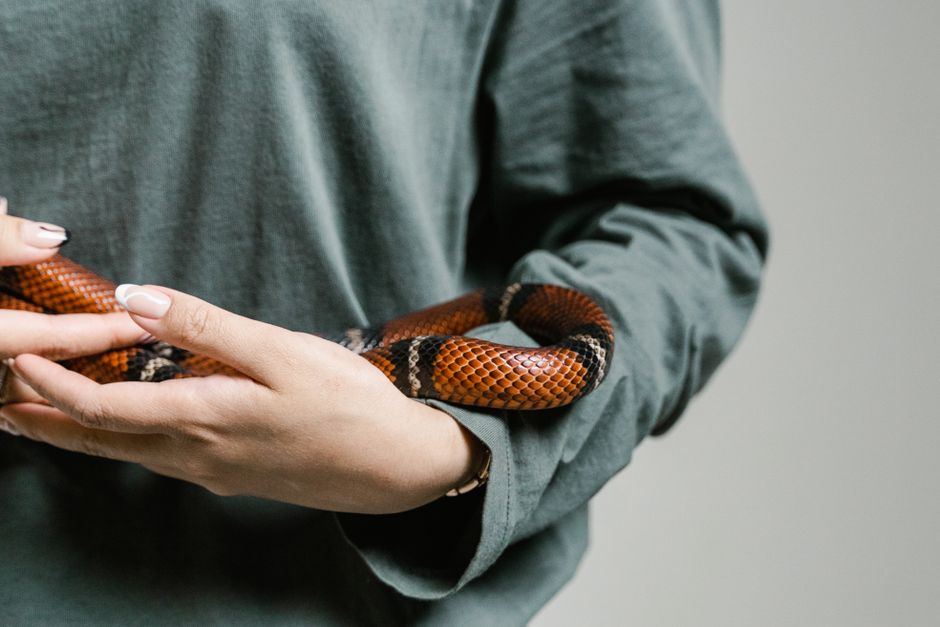
How Long Can You Leave a Snake Alone? Safe Travel Guide
Planning a weekend getaway or a short vacation makes every reptile owner pause. If you keep a serpent at home, you probably wonder how long can you leave a snake alone without putting their health or safety in danger.
Most healthy adult pet snakes can safely be left alone for up to one week if you provide clean water, secure heating on a reliable thermostat, and a fresh meal a few days prior. Young hatchlings or snakes requiring daily misting should never be left alone for more than two or three days.
Reptiles do not require daily walks or social interaction like dogs or cats. Even so, leaving an enclosure unattended still carries hidden risks that require careful planning before you pack your bags.
Can You Leave a Snake Alone for a Week?
Yes, you can leave a healthy adult snake alone for a week as long as their enclosure has fresh water, stable heating controls, and no pending health issues. Adult snakes possess slow metabolic rates that allow them to thrive without daily feeding or frequent human presence.
Popular pet species like corn snakes, ball pythons, and king snakes routinely go one to two weeks between meals in typical adult care routines. Because digestion takes several days, an adult snake on a regular schedule will rest quietly in their hide boxes while you are away. They do not get lonely, and your absence causes them far less stress than being moved to a boarding facility.
The critical factor is the overall health and age of your pet. A fully grown, robust animal with a reliable track record of eating and shedding is well suited for a seven-day stretch alone. An animal recovering from illness or preparing for an irregular shed cycle needs closer supervision.
Baby Snakes vs Adult Snakes
Young hatchlings need more frequent meals and higher humidity monitoring, meaning they cannot be left alone as long as adult snakes. Juvenile reptiles dehydrate rapidly when small water dishes dry up, so avoid leaving them without checkups for more than forty-eight hours.
Babies also eat on much tighter schedules, often every five to seven days. Missing a meal or becoming dehydrated can quickly stall growth in a young reptile. If you care for a hatchling, arrange for a sitter to check their habitat every two days.
What Are the Biggest Risks When Leaving a Snake Alone?
The two biggest risks when leaving a snake alone are water bowl fouling and heating equipment malfunctions. A snake that defecates in its only water bowl can suffer rapid dehydration, while an unchecked thermostat failure can cause extreme heat stress or dangerous cold.
Snakes frequently soak in their water dishes right before or during a shed. During this time, they often defecate directly into the water. If your pet fouls their only clean drinking supply on day two of your vacation, they face bacteria-laden water for the rest of the week. That can trigger mouth rot, respiratory issues, or severe dehydration.
Escape is another major concern for absent keepers. When a home becomes quiet and still, curious snakes often spend extra hours testing cage lids, glass doors, and vent seams. A loose snake in an empty house can get trapped inside furniture or escape into wall cavities before anyone realizes they are gone.
Heating Failures and Power Outages
Heating elements can burn out unexpectedly, and cheap thermostats can freeze on high heat or turn off completely without warning. Overheating can prove fatal to a cold-blooded animal within hours, while sudden drops in room temperature halt digestion and compromise immunity.
Before you travel, always ensure your heat sources run through a dedicated pulse-proportional or dimming thermostat. Investing in a digital thermometer with a probe allows you to verify that both the warm side and cool side remain within normal species ranges.
How to Prepare Your Snake Enclosure Before Leaving
To prepare your snake enclosure before leaving, thoroughly clean the tank, replace soiled substrate, set out two separate heavy water dishes, and test your thermostat settings forty-eight hours in advance. Feeding should happen several days before departure so your snake finishes digestion before you walk out the door.
Completing these preparations ensures you do not discover an electrical problem or a sick animal right as you leave for the airport. Follow this practical checklist before you go:
- Feed your snake three to four days before leaving so regurgitation risks pass while you are still home to spot trouble.
- Provide two separate, heavy ceramic water bowls so your snake has clean water if one bowl gets tipped over or soiled.
- Verify your heat source and thermostat to confirm temperatures stay within the safe range for your specific species.
- Lock all cage clips, wedge security wedges on sliding glass, and inspect screen lids to prevent unexpected escapes.
- Spot-clean old waste and replenish fresh bedding to keep bacteria levels low while the enclosure goes unattended.
Setting up your lighting and heat on automated digital timers is essential. Do not rely on manual switches. Having a timer mimic regular day and night cycles keeps your reptile calm and preserves their normal internal clock throughout your trip.
When Should You Hire a Reptile Pet Sitter?
You should hire a reptile pet sitter whenever your trip lasts longer than seven days, or if you own tropical species that need daily misting. A qualified sitter ensures the snake has clean drinking water, checks thermostat readouts, and can contact an exotic-animal veterinarian if an emergency arises.
Species from humid environments, such as rainbow boas or green tree pythons, require frequent attention to keep moisture levels stable. Leaving these animals alone for more than three days risks severe respiratory infections and dangerous stuck sheds. If your setup does not feature an automated misting system with a large reservoir, a daily visitor is mandatory.
Always consult an exotic-animal veterinarian if your snake shows lethargy, respiratory wheezing, or refuses food before your scheduled trip. Responsible pet care means putting animal welfare first, so never leave an ill or recovering reptile unattended.
While giant wild constrictors like the famous 17-foot python in the Everglades can endure changing weather and long periods between meals, captive pet snakes rely entirely on artificial systems that require regular human oversight during extended trips.
Write out clear instructions for your pet sitter. Tell them not to handle the snake, as handling creates unnecessary stress and increases the chance of an accidental bite or escape. Their only duties should be refreshing water, verifying temperatures on your digital readouts, and checking that the cage doors remain securely latched.
Final Thoughts
Knowing how long can you leave a snake alone helps you travel with peace of mind while keeping your scaly companion safe and comfortable. With clean backup water, dialed-in thermostats, and advance planning, short trips are simple to manage without causing your pet any distress. Explore more RarePetCare guides to learn practical husbandry, feeding routines, and habitat tips for all your exotic pets.
Frequently Asked Questions
Can a snake survive two weeks alone?
A healthy adult snake can physically survive two weeks without food, but you should never leave them completely unattended for that long. Water bowls evaporate or become fouled, making a midway check by a pet sitter necessary.
Should I feed my snake the day before vacation?
No, you should never feed a snake right before leaving. Feed them three to four days prior so they have time to digest properly and you can confirm they do not regurgitate before you leave.
What happens if the power goes out while I am away?
A prolonged power outage will cause enclosure temperatures to drop, which can stop digestion and cause respiratory infections. Having a neighbor or friend on call with a spare key is the best way to handle unexpected power cuts.
Can I leave a heat lamp on for a week while away?
You can leave a heat lamp on if it is connected to a reliable, high-quality thermostat and automated timer. Never leave unregulated heating elements running while you are away from home.
Explore More Reptiles Guides
 🦎Reptiles
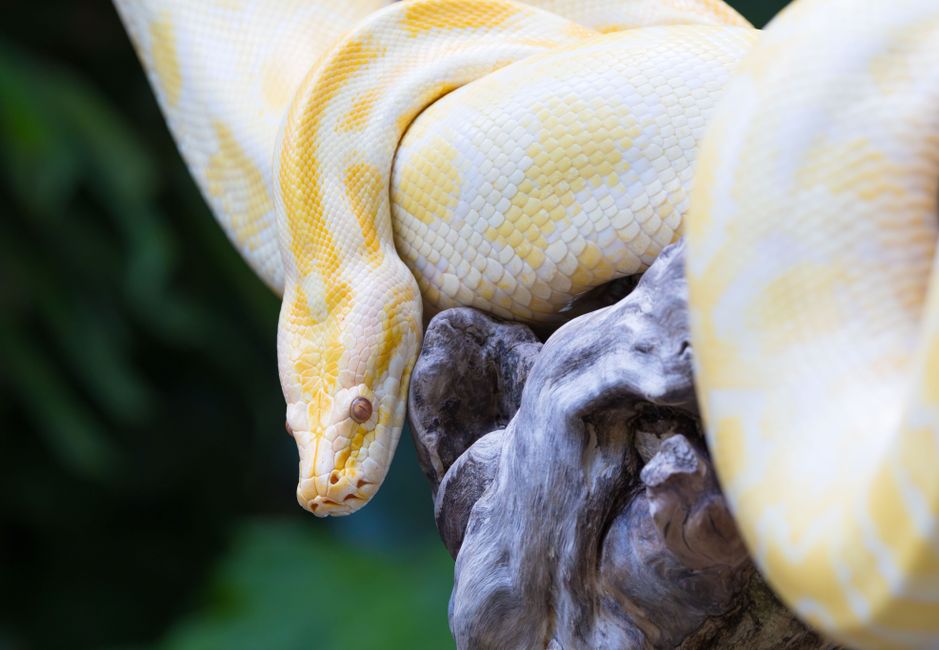
17-Foot Python in the Everglades: Inside the Giant Catch
Hunters captured a massive 17-foot python in the Everglades after an intense battle in waist-deep water.
 🦎Reptiles
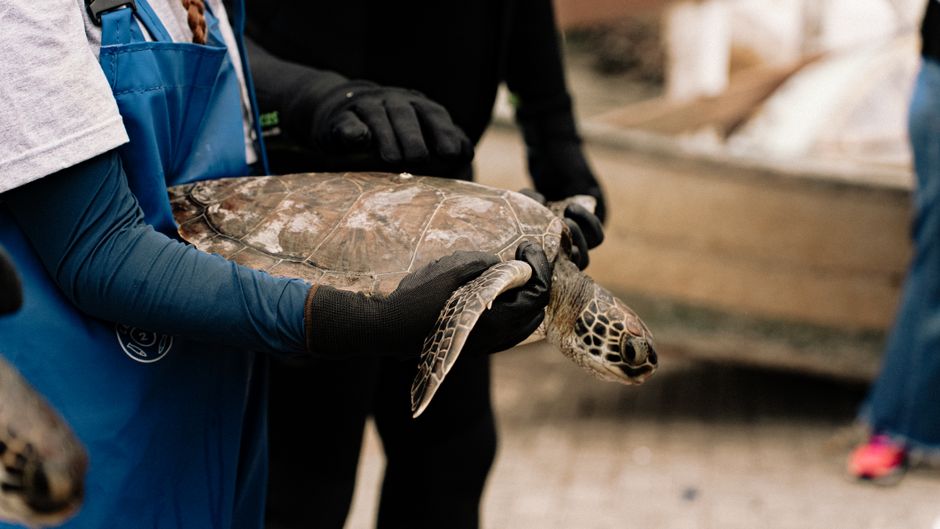
Bali Sea Turtle Rescue: Why Smugglers Fled
When smugglers abandoned 22 sea turtles aboard a boat off Bali, local residents and authorities rushed in to save the endangered reptiles.
 🦎Reptiles
Wildlife Conservation Success Stories That Inspire
Global wildlife has faced steep declines, but animals like sea turtles and tigers prove that targeted protection really works.