Wildlife Conservation Success Stories That Inspire
Hearing about declining animal populations can feel overwhelming, but real progress is happening across the globe. True wildlife conservation success stories demonstrate that targeted habitat protection, strict legal safeguards, and community action can bring species back from the brink of extinction. While global animal numbers have dropped sharply since 1970, dedicated recovery programs show that extinction is not inevitable.
As pet parents and animal enthusiasts, understanding these victories helps us appreciate the delicate balance between wild habitats and captive care. When scientists and local communities work together, even long-declining species can stabilize and rebuild their numbers.
Why Do Some Endangered Species Recover While Others Decline?
Species recover when conservation efforts address the direct root causes of their decline, such as hunting, habitat loss, and accidental capture. Programs succeed because they combine legal enforcement with local community incentives and targeted habitat restoration rather than relying on general awareness alone.
Many animals struggle to bounce back simply because their habitats remain fractured or degraded. When a forest is cut into small pieces, animals cannot migrate, find food, or locate unrelated mates. Without safe corridors connecting wild spaces, genetic health plummets, making survival much harder over time.
On the other hand, species that receive focused legal intervention often rebound faster than expected. When governments ban commercial harvest, crack down on illegal trafficking, and protect critical breeding sites, breeding adults survive long enough to raise the next generation.
Key Factors in Species Survival
Decades of field research reveal clear patterns among animals that successfully rebuild their numbers. While every ecosystem has its own needs, the most effective wildlife conservation programs focus on a few shared priorities.
- Strong legal protection that eliminates commercial exploitation and illegal poaching.
- Preservation and restoration of core breeding, nesting, and feeding grounds.
- Direct involvement of local residents through jobs, education, and ecotourism.
- Technological tracking methods that monitor population trends in real time.
How Sea Turtles Became a Conservation Success Story
Sea turtles are bouncing back because international agreements banned the harvest of their eggs and shells, while coastal communities began aggressively protecting active nesting beaches. In addition, commercial fishing fleets adopted turtle excluder devices, which allow trapped turtles to escape fishing nets safely before drowning.
Decades ago, sea turtle nests on major beaches were routinely raided by poachers or destroyed by coastal development. Today, volunteer patrols walk nesting beaches every night during laying season. They mark nests, relocate vulnerable clutches to secure hatcheries, and guide newborn hatchlings safely into the ocean under the cover of darkness.
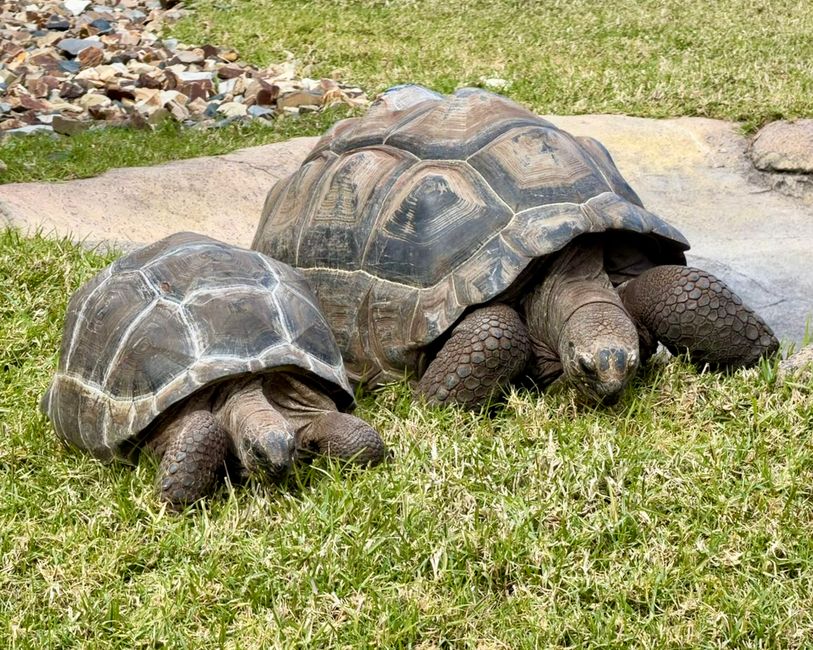
These long-lived reptiles face a slow journey to recovery because they take years to reach sexual maturity. Long lifespans are common among chelonians, which you can see in the longevity of giant tortoises like the world's oldest land animal. Because sea turtles mature slowly, the positive results we see today are the payoff of hard work started thirty or forty years ago.
Artificial lighting near shorelines once disoriented thousands of hatchlings, drawing them toward roadways instead of the ocean. Coastal towns responded by passing lighting ordinances that mandate turtle-friendly amber bulbs during nesting months. Small, practical adjustments like these make a massive difference for fragile hatchlings.
Top Wildlife Conservation Success Stories in Recent Decades
The most prominent wildlife conservation success stories include the gradual return of wild tiger populations in parts of Asia and the remarkable resurgence of green sea turtle nesting numbers along Atlantic beaches. Both examples prove that sustained political support and anti-poaching patrols can reverse downward population trends.
Wild tigers suffered catastrophic losses throughout the twentieth century due to deforestation and hunting. In response, several countries established strictly guarded reserves connected by wildlife corridors. By providing tigers with large, prey-rich territories free from human disturbance, wild numbers in several key reserves have steadily climbed.
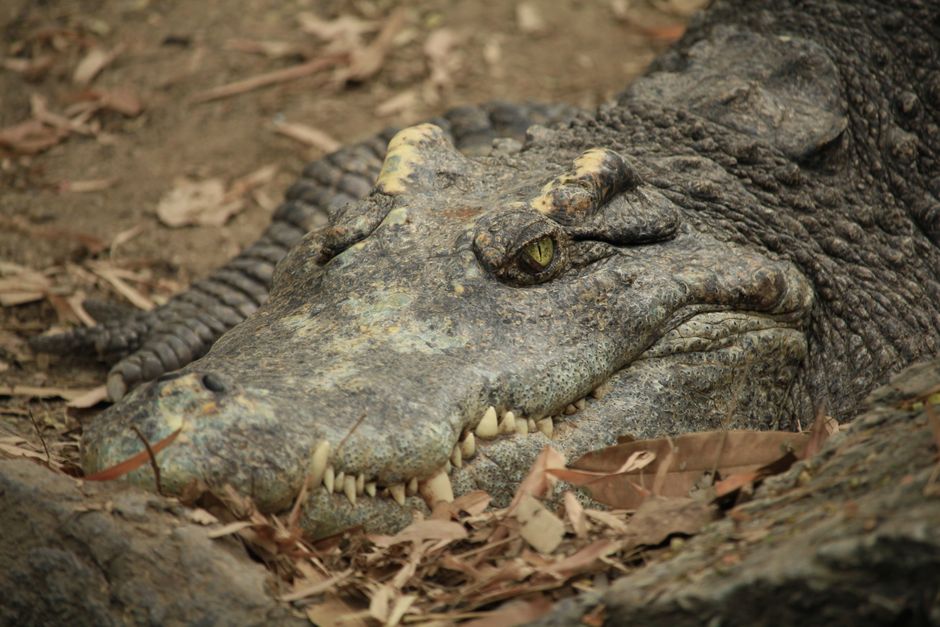
Similar patterns exist across the reptile world. American alligators were once pushed to dangerously low numbers by uncontrolled hide hunting. Once strict federal protections took effect, alligator populations rebounded so thoroughly that they were completely removed from the endangered species list.
Lessons Learned from Big Cat and Reptile Programs
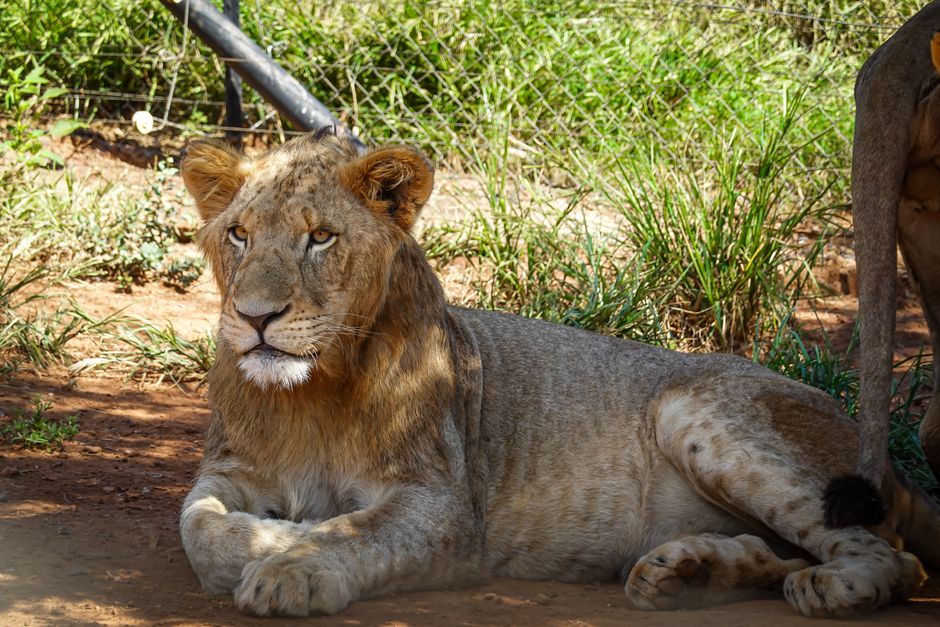
Tigers and large reptiles teach us that apex predators need vast, connected habitats to thrive. When we save a large predator, we automatically preserve thousands of smaller species that share the same forest, swamp, or river basin.
These programs also demonstrate that human attitudes must shift for wildlife to survive. When ranchers and farmers receive compensation for livestock losses or earn income from wildlife tourism, they become active defenders of native animals rather than viewing them as threats.
What Exotic Pet Parents Can Do to Protect Native Species
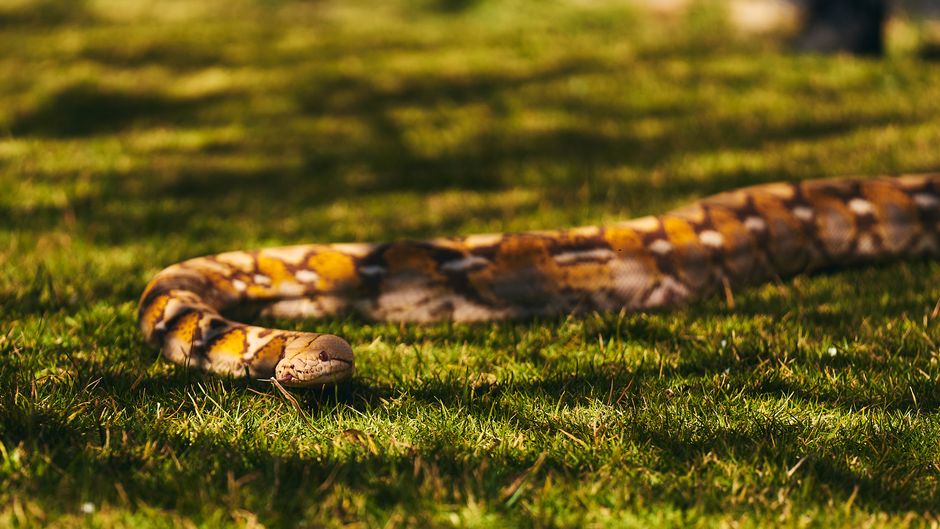
Exotic pet owners can protect wild populations by buying only captive-bred animals from reputable breeders and never releasing an unwanted pet into the wild. Releasing non-native pets can trigger severe ecological damage, as seen with invasive Burmese pythons in Florida that outcompete native predators.
Wild capture for the pet trade still threatens certain rare lizards, turtles, and parrots. Before bringing any exotic animal into your home, research where the animal originated and ask the seller for documentation proving captive breeding. Always research a species' full adult needs before buying, and consult an exotic-animal veterinarian for health guidance to ensure you can provide proper lifelong care.
Supporting wild species does not require traveling across the world. You can contribute to wildlife conservation right in your own neighborhood through simple daily habits.
- Plant native flowers, shrubs, and trees to feed wild birds, bees, and small mammals.
- Keep domestic cats indoors to prevent unnecessary predation on wild lizards and songbirds.
- Support certified wildlife sanctuaries and rescue organizations with your time or donations.
- Avoid single-use plastics that wash into rivers and ocean habitats where turtles feed.
Final Thoughts
Wildlife populations face serious challenges, but genuine wildlife conservation success stories remind us that recovery is entirely achievable with focused care. When communities protect habitats and enforce sensible safeguards, animals as diverse as tigers and sea turtles can reclaim their place in the wild. Take time to learn about responsible animal care by exploring more RarePetCare guides today.
Frequently Asked Questions
What is the biggest factor in wildlife population recovery?
The biggest factor is protecting critical habitat from destruction while eliminating direct threats like illegal hunting and poaching.
Are sea turtle numbers really increasing?
Yes, several major nesting populations of green and loggerhead sea turtles have shown significant increases thanks to protected beaches and safer fishing gear.
How does captive breeding help conservation?
Captive breeding reduces demand for wild-caught animals in the pet trade and can provide animals for controlled reintroduction programs in the wild.
Why do some endangered animals take decades to recover?
Species with long lifespans and slow reproductive rates take many years to reach breeding age, meaning population gains accumulate slowly over decades.
Explore More Reptiles Guides
 🦎Reptiles
Mosasaur Hunting Strategy: How Sea Lizards Struck
Discover how a nimble mosasaur hunting strategy allowed smaller ancient sea lizards to out-lunge massive apex predators.
 🦎Reptiles
Burmese Pythons in Florida: What to Do If You Spot One
Discover why Burmese pythons cross Florida roads, how to handle a wild encounter safely, and what pet owners need to know.
 🦎Reptiles
How Much Does a Tortoise Cost? Complete Budget Guide
Curious how much does a tortoise cost? Learn the real expenses of purchase prices, housing, lighting, food, and long-term veterinary care.