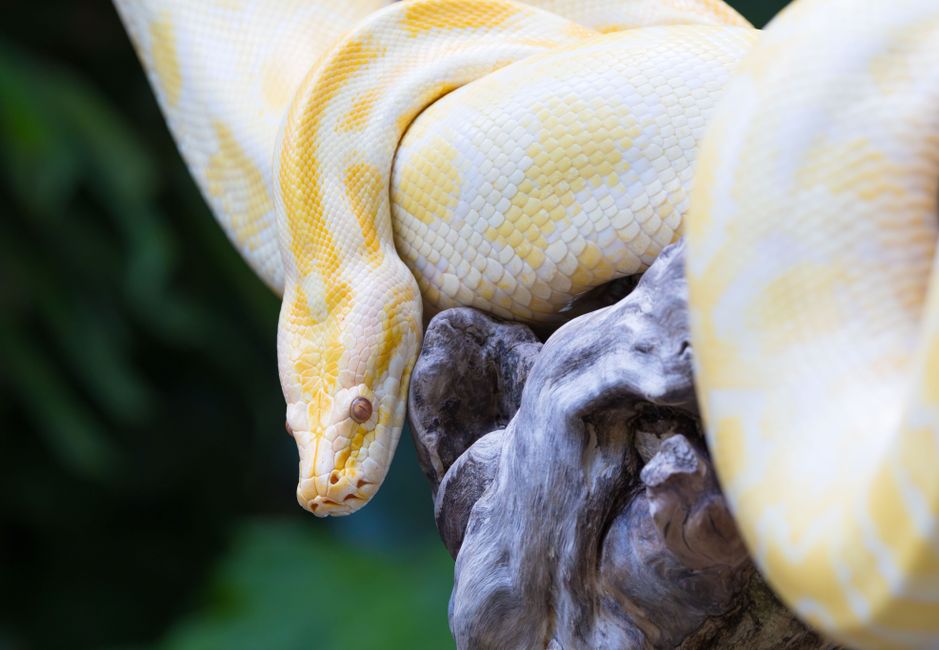
17-Foot Python in the Everglades: Inside the Giant Catch
Wrestling a massive snake out of a swamp is not an everyday task, even for seasoned outdoorsmen. Subduing a 17-foot python in the Everglades requires teamwork, fast reflexes, and immense physical grit. A 17-foot python in the Everglades is an apex invasive predator capable of overpowering native mammals and birds. Capturing one requires physical coordination, as these massive constrictors use their dense muscle mass and aquatic agility to fight capture in deep swamp waters.
When three hunters found themselves waist-deep in murky wetland water, they faced an intense test of strength. The giant female python refused to give up ground, coiling and thrashing against their grip. This encounter reflects a much larger struggle playing out across southern Florida to protect vulnerable ecosystems.
How Did Hunters Capture a 17-Foot Python in the Everglades?
Hunters captured a 17-foot python in the Everglades by spotting the snake in deep marsh water and physically restraining its head while battling its heavy coils. The encounter required multiple team members to pull the thrashing reptile out of the mud onto dry ground.
The capture began when the scouting team noticed unusual movement beneath the surface along a flooded canal. In the Everglades, dark water hides shapes quickly. Once the hunters realized the sheer size of the target, they stepped off the bank and moved directly into the water. One hunter secured the back of the snake's head to prevent defensive strikes, while the other two worked down the body to manage the weight.
A python of this scale can easily weigh well over one hundred pounds, with nearly all of that weight consisting of dense muscle. The reptile coiled tightly around the men's legs, using the muddy bottom for leverage. Moving an animal that large through tangled vegetation and suction-heavy mud requires sustained effort. After several intense minutes of wrestling the thrashing constrictor, the group managed to haul the snake onto an embankment where it could be safely secured.
The Physical Strength of Giant Constrictors
Burmese pythons are built entirely for power and stealth. Their bodies contain thousands of vertebrae and ribs, each controlled by complex muscle groups that allow them to squeeze prey with tremendous force.
When a snake reaches seventeen feet, that strength multiplies dramatically. In water, pythons hold a major physical advantage. They swim effortlessly and can use underwater root systems to anchor themselves. Hunters must stay alert to avoid getting trapped beneath the surface if a snake wraps around their limbs.
Why Are Burmese Pythons Such a Problem in Florida?
Burmese pythons are a severe problem in Florida because they have no natural predators and consume vast numbers of native mammals, birds, and reptiles. Their presence has caused steep declines in local populations of marsh rabbits, raccoons, and wading birds across the southern marshes.
These snakes entered the wild through accidental releases and deliberate pet abandonment decades ago. South Florida offers an ideal subtropical environment, complete with warm temperatures, abundant hiding spots, and unlimited food. As a result, wild populations expanded rapidly across millions of acres of protected wetlands.
Native animals did not evolve alongside large constrictors, so they lack effective defense mechanisms against ambush predators of this size. Everything from small rodents to white-tailed deer and even native birds like the great white heron can fall victim to mature pythons. As small mammal counts drop, the natural balance of the entire wetland food web falls apart.
How Do Python Hunters Track Giant Snakes in the Swamps?
Everglades python hunters track giant snakes by scouting canal banks, scanning sunny levees during cooler mornings, and surveying roads at night with high-output lights. These reptiles rely on warm surfaces to regulate their body temperature, making open banks prime scouting locations.
Because pythons possess natural camouflage that blends into sawgrass and mud, spotting them requires trained eyes and patience. Hunters often travel on raised swamp vehicles or walk canal edges slowly, watching for broken patterns in the reeds. Successful removal teams rely on specific strategies during their hunts:
- Targeting open levees and ditch banks on chilly winter mornings when snakes bask in direct sunlight.
- Using high-intensity light bars mounted on trucks to spot reflective scales crossing roads after dusk.
- Checking shallow marshes where pythons wait near active bird rookeries and mammal trails.
- Working in coordinated teams so that one person secures the head while others manage the coils.
Winter is typically the most productive season for removal programs. Cold snaps force cold-blooded reptiles out of deep water and dense brush to soak up heat along open ground, making them much easier to detect.
What Should You Do If You Encounter a Wild Python in Florida?
If you spot a wild python in Florida, maintain a safe distance and report the sighting immediately to state wildlife authorities using their hotline or mobile app. Never attempt to handle or capture a large constrictor on your own without specialized training and proper protective gear.
Even non-venomous constrictors can deliver painful bites with dozens of sharp, recurved teeth designed to hold prey in place. In addition, their heavy coils can cause serious bruising or injury if they wrap around an arm or torso. For detailed reporting instructions, check out our guide on Burmese pythons in Florida to see exactly how wildlife agencies track sightings.
From a pet care perspective, this crisis serves as an important reminder for reptile keepers everywhere. Responsible pet parents must research a species' full adult size, diet, and lifespan before bringing one home. Large constrictors require massive enclosures and substantial food budgets as adults. A pet should never be released into the wild under any circumstance, as doing so harms both the animal and native ecosystems.
Final Thoughts
Wrestling a 17-foot python in the Everglades highlights the physical effort required to protect sensitive southern wetlands from invasive predators. While these giant reptiles are impressive creatures in their natural range, their presence in Florida threatens delicate local wildlife. Explore our other guides on RarePetCare to learn more about responsible exotic pet husbandry and native wildlife conservation.
Frequently Asked Questions
How heavy is a 17-foot Burmese python?
A 17-foot Burmese python typically weighs between 100 and 150 pounds, depending on its overall health and whether it has recently eaten.
Are Burmese pythons venomous to humans?
No, Burmese pythons are non-venomous constrictors that subdue prey by wrapping tightly around it rather than using venom.
Can a python in Florida swallow an alligator?
Yes, large adult pythons regularly eat small to medium alligators, though an encounter with a full-grown bull alligator can be fatal for the snake.
Why is hunting pythons encouraged in Florida?
Hunting is encouraged because pythons are an invasive species that decimate native wildlife populations across the Everglades ecosystem.
Explore More Reptiles Guides
 🦎Reptiles
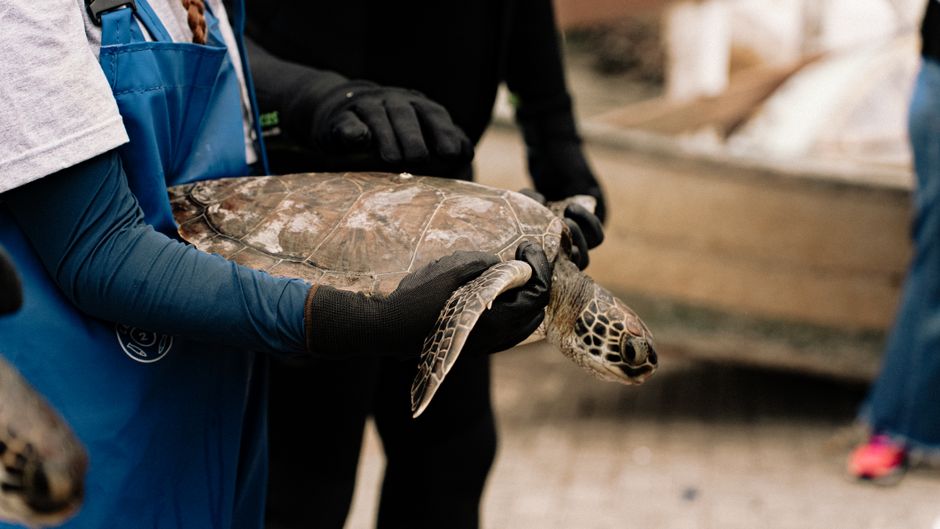
Bali Sea Turtle Rescue: Why Smugglers Fled
When smugglers abandoned 22 sea turtles aboard a boat off Bali, local residents and authorities rushed in to save the endangered reptiles.
 🦎Reptiles
Wildlife Conservation Success Stories That Inspire
Global wildlife has faced steep declines, but animals like sea turtles and tigers prove that targeted protection really works.
 🦎Reptiles
Mosasaur Hunting Strategy: How Sea Lizards Struck
Discover how a nimble mosasaur hunting strategy allowed smaller ancient sea lizards to out-lunge massive apex predators.