Bali Sea Turtle Rescue: Why Smugglers Fled
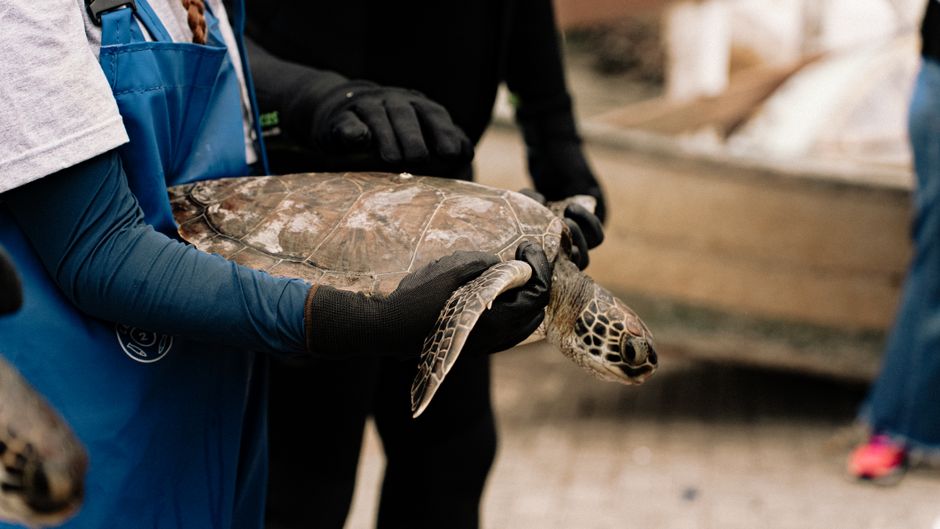
When smugglers suddenly fled an unattended vessel near Turtle Island, they left behind 22 living reptiles trapped on deck in the tropical heat. A Bali sea turtle rescue refers to the rapid emergency intervention by local residents, conservation groups, and government agents to secure, hydrate, medically treat, and return poached marine turtles back to protected Indonesian ocean waters before dehydration or organ damage becomes fatal.
The unexpected discovery triggered an urgent multi-agency response across the coastline. Rescuers knew that every passing hour aboard an exposed wooden deck diminished the animals' chances of survival. For reptile enthusiasts and conservationists around the globe, the incident provides an eye-opening look at the persistent challenges facing marine wildlife preservation.
What Happened During the Bali Sea Turtle Abandonment?
Indonesian wildlife authorities and local patrol teams discovered 22 live sea turtles packed aboard an empty wooden boat after suspected poachers fled into nearby coastal areas. The smugglers abandoned their cargo near Serangan, historically known as Turtle Island, likely after realizing maritime patrols were closing in on their route.
Coastal residents noticed the unusual, silent vessel lingering in shallow waters and alerted local officers. When responders boarded the craft, they found dozens of large marine turtles crowded into cramped quarters. The animals had been removed from the sea, bound, and placed under tarps without food or circulating seawater.
Time became the most critical factor for the rescue crew. Turtles left out of water quickly suffer from crushed internal organs because their bodies rely on the buoyancy of the ocean to support their heavy shells. Rescuers immediately contacted veterinary teams and marine response units to stabilize the animals directly on the beach.
Why Are Sea Turtles Targeted by Smugglers in Bali?
Sea turtles are primarily targeted by black-market traders for their meat, decorative shells, and traditional cultural ceremonies, despite strict protections under domestic and international law. Although public education campaigns have drastically reduced the local appetite for turtle products across Indonesia, underground trade networks still attempt to transport wild-caught specimens between islands to supply illicit buyers.
All marine turtle species found in Indonesian waters, including green sea turtles and hawksbills, enjoy complete legal protection. Possessing, transporting, or trading these animals carries severe criminal penalties, including heavy fines and prison sentences under Indonesian conservation statutes.
The Battle Against Wildlife Trafficking
Wildlife crime syndicates exploit long, porous island coastlines to move poached animals under the cover of night. Poachers often capture mature turtles in feeding grounds far offshore, then attempt to slip into local ports undetected. When coastal law enforcement tightens surveillance, panicked smugglers frequently dump their contraband or desert their boats entirely, just as they did on this vessel.
Community vigilance remains the frontline defense against these illegal operations. Fishermen and coastal villagers frequently report suspicious boat movements, playing a direct role in major rescues. You can learn how coordinated community action creates lasting environmental change by reading about wildlife conservation success stories from around the world.
How Does a Bali Sea Turtle Rescue Operation Work?
A Bali sea turtle rescue operation involves four immediate stages: physical retrieval, critical hydration, medical triage by qualified veterinarians, and supervised rehabilitation in dedicated saltwater holding tanks. Specialized teams must handle each turtle with immense care to avoid worsening injuries sustained during capture and transport.
Once authorities secure the abandoned vessel, trained handlers move the turtles onto cushioned mats or wet tarpaulins to protect their plastrons, the lower portion of their shells. The rehabilitation process requires careful coordination between wildlife officials and veterinary clinicians:
- Handlers wet the turtles continuously with fresh seawater to keep their eyes, skin, and shells from drying out in the sun.
- Veterinarians examine each animal for flipper ligature wounds, shell fractures, and signs of respiratory infections.
- Turtles receive supportive fluids and rest in quiet, shaded holding pools to recover their muscle strength.
- Biologists monitor swimming posture, dive buoyancy, and feeding responses before approving a return to the sea.
Marine reptiles cannot simply be tossed back into deep water right after a stressful ordeal. If a turtle is exhausted or suffering from trapped air inside its body cavity, it cannot dive safely to forage or evade predators. Holding tanks allow caregivers to assess whether each turtle can swim level and submerge without difficulty.
What Threats Do Marine Turtles Face in Modern Waters?
Beyond targeted poaching, marine turtles encounter heavy pressure from accidental fishing net entanglement, boat strikes, plastic pollution, and the loss of coastal nesting beaches. Even when laws protect nesting shores, artificial lights and shoreline development confuse hatchlings and discourage adult females from depositing their eggs.
Discarded fishing gear presents an ongoing hazard throughout tropical migration corridors. Turtles that surface to breathe can become tangled in floating nylon lines, leaving them unable to swim or feed properly. Plastic waste poses an equally severe risk, as floating bags closely resemble jellyfish, a primary food source for many sea turtle species.
Lessons for Pet Parents and Reptile Enthusiasts
While ocean turtles cannot be kept as companion animals, this rescue highlights the deep responsibility all reptile keepers share toward reptile welfare. If you care for terrestrial tortoises or freshwater turtles at home, always verify that your pet came from a verified, reputable captive breeder rather than wild-caught sources. Researching the full adult habitat needs of any reptile before bringing one home is essential for its lifelong health.
Caring for exotic animals requires dedicated equipment, high-powered lighting, and specialized medical support. Before committing to a shelled pet, prospective owners should review our guide on how much a tortoise costs to ensure they can provide proper long-term veterinary attention and spacious housing.
Final Thoughts
The swift action taken during this Bali sea turtle rescue prevented a tragic loss of protected marine life and gave 22 majestic animals a second chance in their natural ocean home. Stopping illicit trafficking requires constant vigilance from coastal residents, strict legal enforcement, and widespread public education. Explore more RarePetCare guides to learn about responsible reptile husbandry, species care, and wildlife protection across the globe.
Frequently Asked Questions
Why were the 22 sea turtles left on the boat in Bali?
Suspected smugglers abandoned the boat near Turtle Island to avoid capture when maritime patrols and local authorities approached.
Are sea turtles protected under law in Indonesia?
Yes, all marine turtle species in Indonesia are fully protected by law, making their capture, trade, or possession a serious criminal offense.
What happens to rescued sea turtles after poachers abandon them?
Rescued turtles are moved to shaded saltwater holding pools, examined by veterinarians for injuries, rehydrated, and released once they can swim normally.
Can you legally keep a sea turtle as a pet?
No, sea turtles are strictly protected wild animals worldwide and cannot be kept as private pets under international conservation laws.
Explore More Reptiles Guides
 🦎Reptiles
Wildlife Conservation Success Stories That Inspire
Global wildlife has faced steep declines, but animals like sea turtles and tigers prove that targeted protection really works.
 🦎Reptiles
Mosasaur Hunting Strategy: How Sea Lizards Struck
Discover how a nimble mosasaur hunting strategy allowed smaller ancient sea lizards to out-lunge massive apex predators.
 🦎Reptiles
Burmese Pythons in Florida: What to Do If You Spot One
Discover why Burmese pythons cross Florida roads, how to handle a wild encounter safely, and what pet owners need to know.