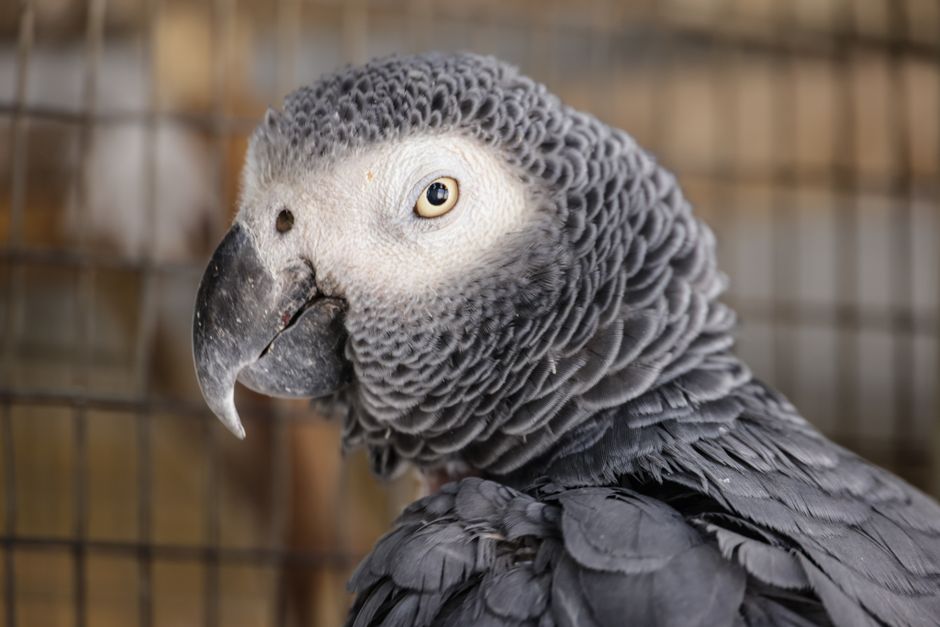
How to Build a Parrot Morning Routine That Prevents Stress
If you have recently noticed your companion parrot acting anxious, loud, or restless early in the day, you are certainly not alone. Many bird parents wonder why their feathered family members seem keyed up right after waking, often missing the subtle signs of hidden stress that build over time. Setting up a practical, predictable morning routine helps your bird feel secure, relaxed, and much safer throughout the rest of the day.
Why Is a Parrot Morning Routine Important for Preventing Stress?
A consistent parrot morning routine is important because companion birds are naturally wired to rely on predictable daily schedules that match their instinctual flock behaviors. In their wild habitats, parrots wake up around sunrise, exchange vocal greetings with their flock mates, stretch, preen, and head out to forage for breakfast in a very specific order. When living indoors, unpredictable mornings can create persistent background anxiety that quietly builds up until it turns into unwanted habits like feather plucking, chronic screaming, or territorial biting. Establishing a calm sequence every morning gives your pet a comforting sense of predictability, stopping hidden stress before it accumulates.
Recognizing Early Signs of Stress in Birds
Recognizing the subtle warning signs of stress early on can prevent long term behavioral challenges in your home. Birds rarely show obvious distress right away, but they may display quiet cues such as pinned pupils, repetitive pacing on perches, quick tail bobbing, or sudden aggression when you reach into the cage. Over time, an overly anxious bird may start over-preening its chest or wing feathers, leading to ragged plumage or completely bare patches. Whenever you notice sudden shifts in mood, posture, or vocalizations, it is wise to consult an exotic vet to rule out physical discomfort or illness before assuming it is purely behavioral.
How Should You Wake Up a Parrot in the Morning?
You should wake up a parrot gently by approaching the cage calmly, speaking in a soft voice, and slowly uncovering the cage rather than rushing into the room. Ripping off a cage cover quickly or abruptly flipping on bright overhead lights can startle a sleeping bird, triggering an immediate fight or flight response right at dawn. Instead, walk over quietly, say a soft good morning, and let a small amount of ambient room light filter in before uncovering the cage completely. Giving your pet a few peaceful minutes to stretch its wings, yawn, and adjust to the light sets a pleasant tone for the rest of the morning.
Greeting Your Pet Gently to Build Trust
Spending two or three quiet minutes greeting your bird before diving into morning chores strengthens your bond and helps lower daily stress. Speaking softly lets your pet know that the room is safe and that its human companion is present and friendly. If your bird enjoys direct physical contact, this is a great window for gently scritching its neck or letting it step out onto your hand for a brief moment. If you want to explore more helpful tips about bird care and species needs, check out our dedicated birds category for expert guides on feather care, cage setups, and companion bird behavior.
What Morning Activities Keep a Parrot Calm and Engaged?
Offering fresh water, a healthy breakfast, and simple foraging activities during the first hour of the day keeps a parrot calm, satisfied, and mentally engaged. After sleeping through the night, birds naturally wake up hungry and eager to search for food, just like wild flocks do when the sun comes up. Replacing stale water bowls with clean water and serving a fresh portion of balanced pellets, leafy greens, or chopped vegetables satisfies their metabolic needs and channels their morning energy productively. Adding a quick puzzle toy, such as seeds hidden inside a folded paper cup or wrapped in untreated paper, encourages healthy foraging instincts and keeps your pet occupied while you prepare for your own day.
How Can a Consistent Routine Keep Your Parrot Safer Day to Day?
A consistent morning routine keeps your parrot safer by reducing sudden flight panics and allowing you to spot subtle health problems early every day. When a bird knows exactly what to expect when it wakes up, it is far less likely to be spooked by unexpected household sounds or quick movements, which prevents dangerous collisions against cage bars or windows. In addition, carrying out the exact same morning steps gives you a reliable opportunity to check your bird's droppings, eye brightness, feather condition, and general energy level. Catching minor changes during your daily morning check is one of the best ways to protect your bird's long term health and well being.
Final Thoughts
Establishing a smooth morning sequence is one of the most practical steps you can take to keep your companion parrot feeling happy, safe, and secure. Taking just ten or fifteen minutes each morning to speak softly, offer a fresh breakfast, and provide a light foraging game stops stress before it takes root. With a calm morning foundation in place, both you and your pet bird can enjoy a much more relaxed, peaceful day together.
Frequently Asked Questions
How many hours of sleep does a companion parrot need each night?
Most companion parrots require 10 to 12 hours of uninterrupted, quiet sleep every night to stay healthy and avoid stress-related behavior problems.
Should you cover your parrot's cage at night?
Covering your parrot's cage helps block out artificial light and drafts, creating a dark, secure space that encourages restful sleep.
What time should a parrot wake up in the morning?
Parrots generally do best waking up around sunrise or at a fixed time between 6:00 AM and 8:00 AM each morning.
Why does my parrot scream early in the morning?
Parrots naturally call out to their flock at sunrise to communicate, though loud screaming can also indicate hunger, excitement, or a request for attention.
Explore More Birds Guides
 🦜Birds
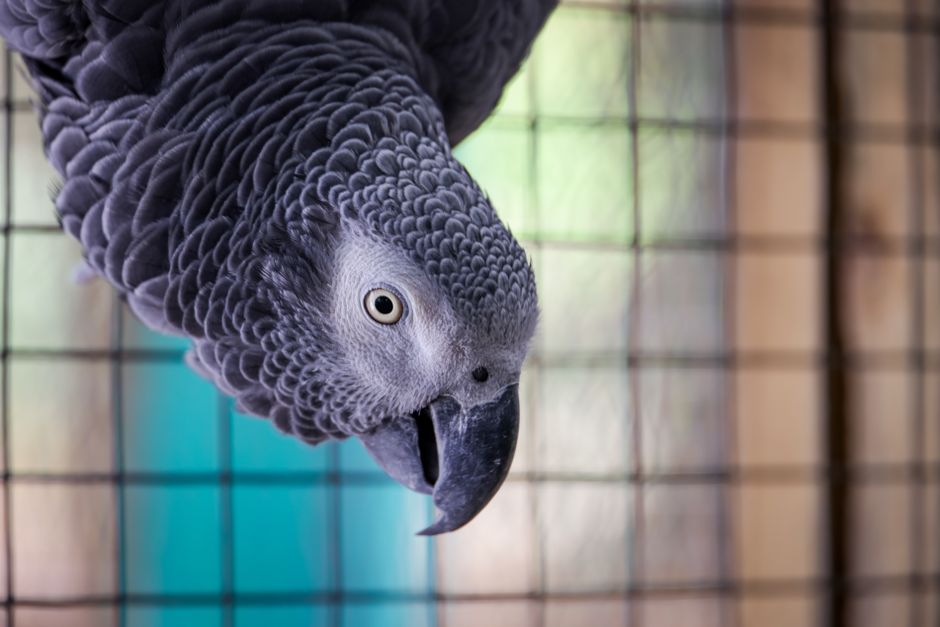
Wild Parrots of San Francisco: Rescue and Urban Life
A wild red-masked parakeet was freed by firefighters in San Francisco, showing the unique challenges feral parrot flocks face in the city.
 🦜Birds
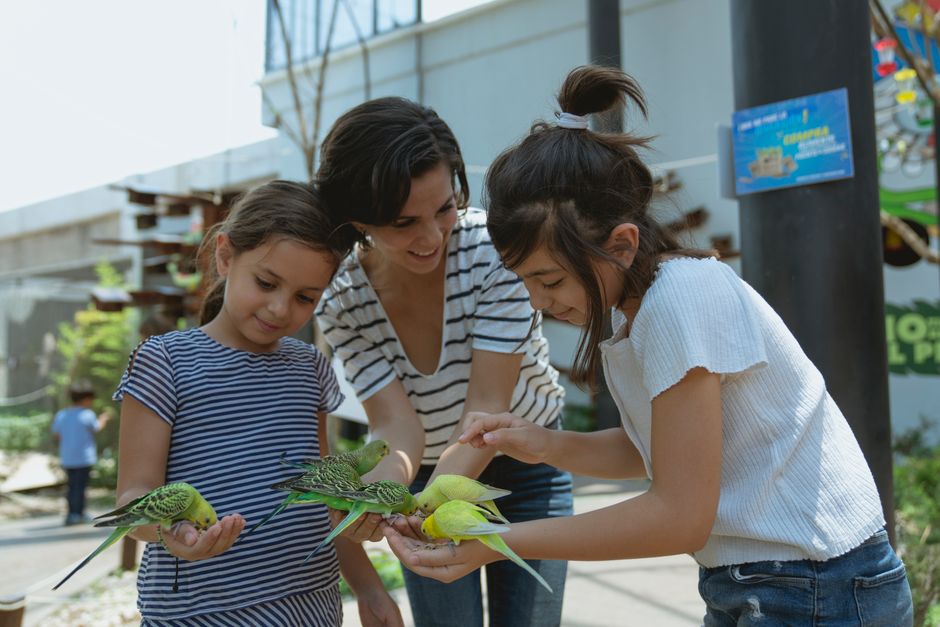
How to Bond with a Bird: Safe Steps for Pet Parents
Learn how to bond with a bird using gentle body language, predictable routines, and positive reinforcement to build lifelong trust.
 🦜Birds
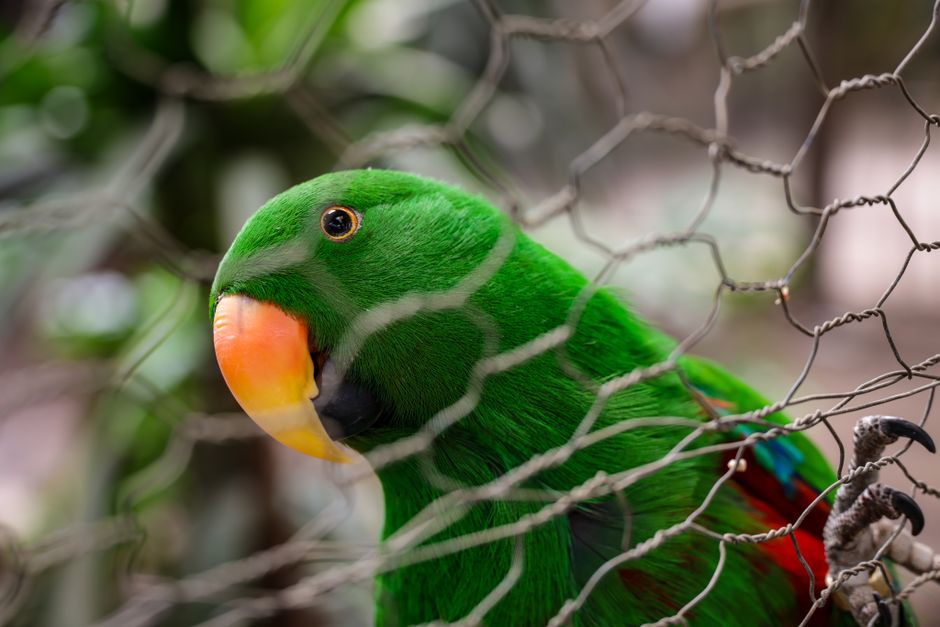
How to Stop Parrot Screaming: Safe and Proven Fixes
Discover humane, practical strategies to calm a loud bird, eliminate attention shrieks, and restore peace to your home.