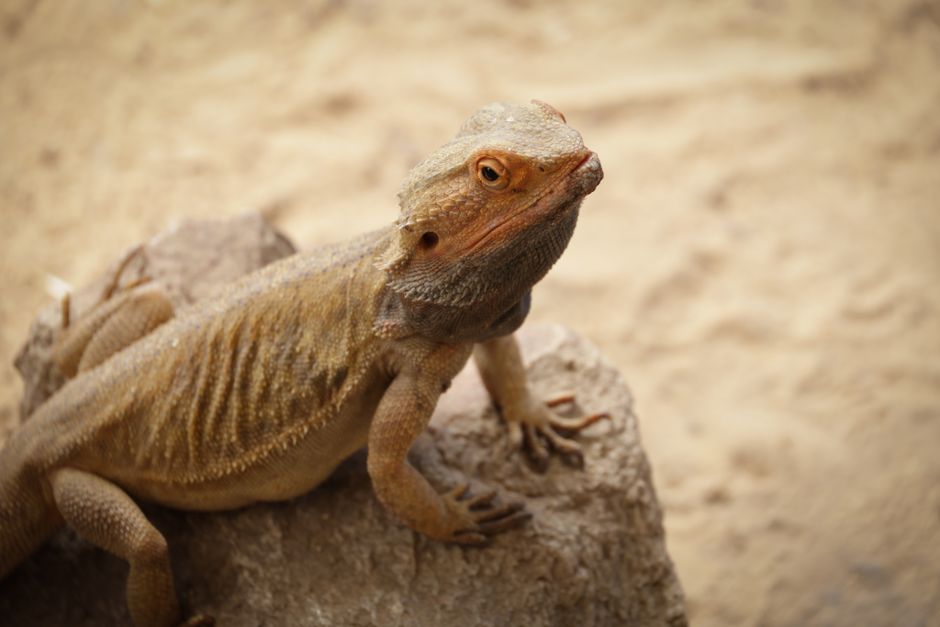
How to Help a Sick Bearded Dragon Recover and Bounce Back
Seeing your bearded dragon act sluggish or refuse their favorite insects can cause any pet parent to worry. You might be wondering if your little friend can truly bounce back after going through a tough health scare. The good news is that these resilient reptiles can overcome serious health bumps with the right care and attention.
Can a Sick Bearded Dragon Recover Fully?
Yes, a sick bearded dragon can make a full recovery if you catch the issue early and work closely with an exotic vet. Bearded dragons are surprisingly resilient creatures, often bouncing back even after facing back to back health challenges. Their bodies are built to conserve energy and heal, provided their environment supports their recovery needs. Pet parents around the world have seen dragons recover from severe weight loss, respiratory issues, and parasites with proper treatment. The key to a full recovery lies in your quick action as soon as you spot changes in their daily habits. Waiting too long can make healing harder, so staying observant is the best gift you can give your scaled companion.
What Are the Common Signs of Illness in Bearded Dragons?
Lethargy, loss of appetite, and changes in stool are usually the first signs that your bearded dragon is unwell. A healthy dragon is normally alert, watching their surroundings, and eager to chase down greens or bugs. When illness strikes, you might notice your pet spending all day in the dark hide, ignoring fresh food, or displaying a dark stress beard. Other symptoms include sunken eyes, unusual mucus around the mouth or nostrils, and sudden weight loss. Paying close attention to these small daily changes helps you spot trouble before it turns into a major emergency.
When to Contact an Exotic Vet
You should contact an exotic-animal veterinarian as soon as you notice persistent lethargy or a refusal to eat for more than two days. Reptiles often hide their illness until it becomes severe, making early professional medical care vital for their survival. Always consult an exotic vet for proper diagnosis and treatment rather than trying home remedies on a sick reptile.
How Do You Help a Bearded Dragon Bounce Back After Being Sick?
You can help your bearded dragon bounce back by keeping their enclosure warm, maintaining proper hydration, and sticking strictly to your vet care plan. Warmth plays a critical role in how a reptile heals, as high enclosure temperatures help support their immune system and digest food. Offer fresh water daily, and ask your veterinarian if gentle shallow soaks or syringe hydration are appropriate for your pet. If your vet prescribed medications or special liquid diets, follow the schedule carefully without skipping doses. Recovery requires extra patience, gentle handling, and a quiet room so your dragon can rest without feeling stressed by household noise.
Creating a Stress Free Recovery Space
Reducing environmental stress is essential while your bearded dragon builds back their strength. Keep loud music, bright flashing lights, and curious household pets away from the enclosure during this delicate time. Limit unnecessary handling until your dragon starts showing interest in food and active movement again. Simple adjustments like putting clean paper towels on the enclosure floor instead of loose substrate can keep the space hygienic and easy to manage during treatment.
How Long Does It Take for a Bearded Dragon to Recover?
Recovery time for a bearded dragon varies based on the illness, ranging from a few days for mild stress to several weeks for major infections. Minor digestive upsets or mild dehydration might resolve quickly once proper husbandry is restored. Deeper health challenges, such as parasite overgrowth, bone conditions, or severe lung infections, require a much longer timeline. During a long recovery, progress often comes in small steps, such as eating a single insect or spending an extra half hour under the basking lamp. Celebrate these small milestones and keep a daily log of food intake, weight, and general mood to share with your veterinarian.
Final Thoughts
Watching your beloved bearded dragon battle an illness is nerve-wracking, but their ability to heal is truly impressive. With quick veterinary care, proper heat and hydration, and a quiet home environment, your dragon can return to their happy, basking self. Trust your instincts as a pet parent, stay patient, and take recovery one day at a time.
Frequently Asked Questions
How can I tell if my bearded dragon is dehydrated?
Dehydrated bearded dragons often show wrinkled skin, sunken eyes, and sticky saliva. Gently pinching the skin on their side to see if it slowly falls back into place can help you check their hydration.
Should I feed a sick bearded dragon if they refuse to eat?
Do not force feed solid insects to a sick dragon without talking to an exotic vet first. Your veterinarian may recommend a specific liquid slurry designed for safe syringe feeding.
Can bearded dragons catch colds from humans?
No, bearded dragons cannot catch human cold or flu viruses. However, they can develop respiratory infections if their enclosure temperatures drop too low or humidity levels stay too high.
Is it normal for a bearded dragon to sleep all day while recovering?
Extra sleep is normal during recovery because healing uses a lot of energy. However, if your dragon is completely unresponsive or very difficult to wake, contact your vet immediately.
Explore More Reptiles Guides
 🦎Reptiles
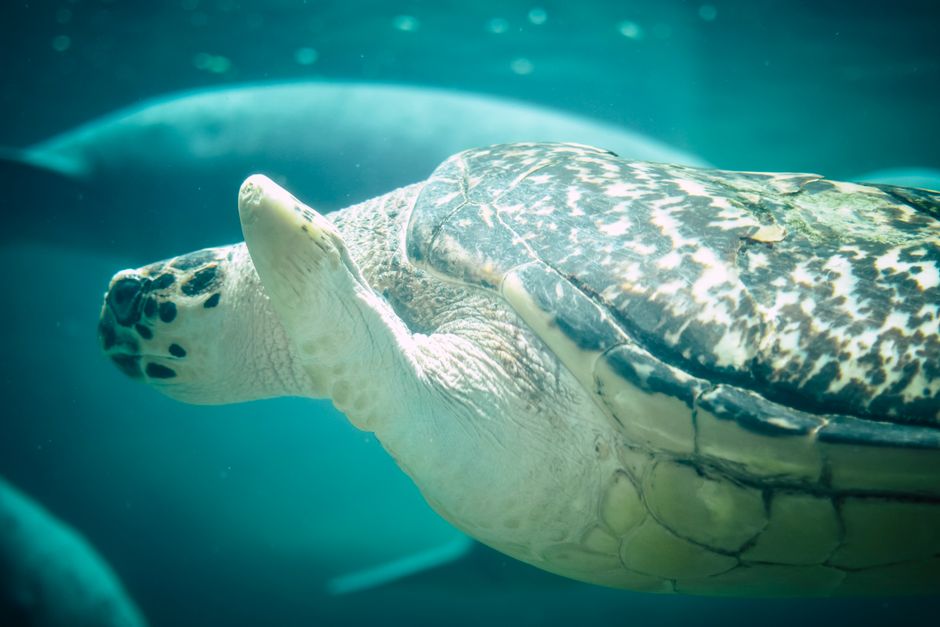
Hawksbill Sea Turtle Endangerment: What Happened
Learn the primary causes of hawksbill sea turtle endangerment, the history of the tortoiseshell trade, and how to protect them today.
 🦎Reptiles
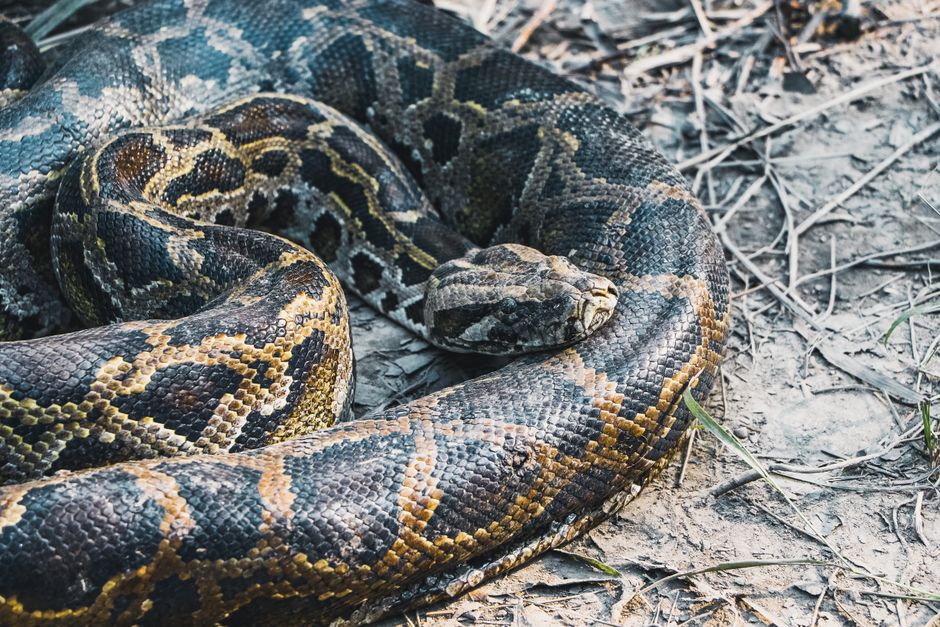
Longest Wild Snake Ever Found: A Record Python
A record-setting giant reticulated python discovered in Indonesia reveals how large wild snakes can grow in undisturbed rainforests.
 🦎Reptiles
Reptile Smuggling: Inside the Haneda Airport Bust
Japanese customs seized 200 lizards stuffed into socks at Haneda Airport, shining a light on illegal wildlife trafficking.