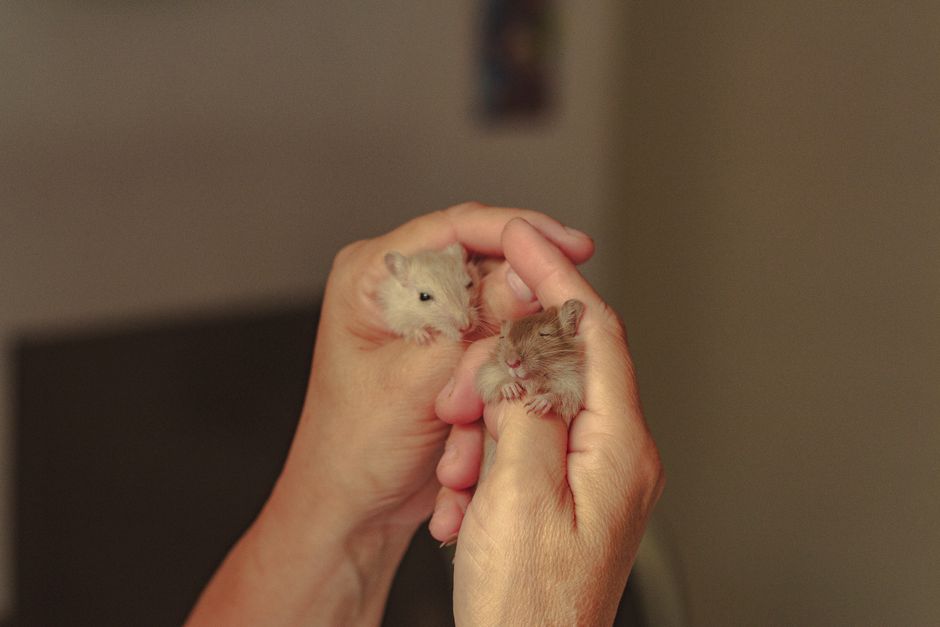
How to Keep Your Pet Hamster Happy and Healthy
If you recently brought home a new furry friend, you might be wondering how to give them the best possible care at home. Caring for a hamster involves much more than providing a small commercial cage and a basic food bowl. Modern hamster care focuses on deep bedding, spacious living quarters, proper nutrition, and plenty of mental activities to keep your tiny companion thriving.
How Large Should a Hamster Enclosure Be?
A hamster enclosure should be as large as your home allows, ideally offering generous amounts of unbroken floor space. Small commercial wire cages often fail to meet a hamster's natural desire to explore, run, and burrow. When choosing a home for your pet, focus on broad continuous floor area rather than tall cages with multiple wire levels, because hamsters are ground dwellers with poor depth perception and can easily injure themselves falling from high platforms. Providing deep bedding allows them to dig complex tunnel systems just like they would in nature, which significantly reduces stress and prevents unwanted stress behaviors like cage chewing.
Creating the Best Burrowing Environment
To encourage natural digging behaviors, use safe bedding materials like unscented paper fluff or dust free paper bedding. Avoid softwoods like cedar or pine entirely, as these materials release aromatic oils that irritate sensitive respiratory systems. Layer the bedding heavily across the habitat floor so your pet can construct sturdy underground chambers. Adding cardboard tubes, subterranean hideouts, and small layers of soft hay helps support the structural integrity of their burrows, giving them a cozy and secure space to rest throughout the day.
What Do Hamsters Need in Their Daily Diet?
A healthy hamster diet consists primarily of a high quality pelleted food or a carefully balanced species appropriate seed mix, accompanied by constant access to fresh water. Commercial pellets ensure your pet receives essential balanced vitamins and minerals without picking out only their favorite ingredients. High quality seed mixes add textural variety and encourage natural foraging instincts, though you should keep an eye on high fat components like sunflower seeds or pumpkin seeds. You can supplement their core dry diet with tiny portions of safe fresh vegetables, such as leafy greens, broccoli, zucchini, or small slices of cucumber every few days.
Fresh Foods to Avoid
While fresh additions offer excellent physical and mental enrichment, certain human foods cause severe stomach upset or toxicity in small mammals. Never offer your hamster citrus fruits, onions, garlic, raw beans, raw potatoes, or fruit seeds, as these items are harmful to their delicate digestive systems. Sugary treats and high sugar fruits like bananas or berries should only be given in tiny amounts as rare treats, especially for dwarf species that are genetically prone to diabetes. Always remove uneaten fresh food after a few hours so it does not rot inside hidden underground food caches.
How Much Daily Exercise Does a Pet Hamster Need?
Hamsters need several hours of physical activity every night to stay physically fit and mentally stimulated. In their natural wild environments, these small animals cover long distances each night in search of food and territory, so an active routine is critical for their overall health. Providing a properly sized upright solid surface exercise wheel allows your pet to burn off energy without risking spinal stress. Ensure the wheel is large enough that your hamster's back remains completely flat while running. Avoid wire or mesh wheels, which can catch tiny toes and cause painful limb fractures or bumblefoot.
How Can You Spot Signs of Sickness in Your Hamster?
You can spot signs of sickness by regularly observing your hamster's activity levels, grooming habits, appetite, and posture during their awake hours. Because hamsters are natural prey animals, they instinctually hide illness and pain until a condition becomes advanced. Watch closely for warning signs such as unusual lethargy, hunched posture, matted or wet fur around the tail area, dull eyes, or changes in drinking habits. If you notice any concerning physical or behavioral shifts, consult an exotic animal veterinarian right away for proper professional care. Researching a species' specific medical requirements and locating a qualified exotic vet early on ensures your pet gets fast, effective help whenever health issues arise.
Final Thoughts
Setting up a happy and healthy habitat for your hamster requires thoughtful preparation, but watching them tunnel, forage, and play makes all the effort worthwhile. By offering spacious quarters, deep bedding, balanced nutrition, and safe exercise tools, you give your small friend everything they need to flourish. Pay attention to their unique personality and daily routines, and enjoy every moment of caring for your pet.
Frequently Asked Questions
Do pet hamsters need to live in pairs?
No, most pet hamsters are solitary and must be housed alone to prevent dangerous territorial fighting. Syrian hamsters in particular will fight aggressively if forced to share space.
Why is my hamster running on its wheel mostly at night?
Hamsters are nocturnal animals that naturally become active, forage, and exercise during nighttime hours. Running at night aligns with their internal biological clock and natural wild behaviors.
How often should you clean a hamster's habitat?
Spot clean soiled bedding and remove fresh leftover food daily while performing a partial bedding change every few weeks. Avoid replacing all bedding at once so your pet's comforting scents remain in their home.
Can hamsters eat cardboard tubes and paper boxes?
Yes, plain unprinted cardboard and paper boxes are safe for hamsters to chew on and shred. Chewing on safe cardboard helps manage their continuously growing teeth while providing simple mental activity.
Explore More Small Mammals Guides
 🐹Small Mammals
Why Is My Hedgehog Losing Quills? Key Causes
Discover why your hedgehog is losing quills, how to identify quilling versus mites, and practical ways to protect your pet's sensitive skin.
 🐹Small Mammals
Why Is My Ferret Shaking? Causes and Care Guide
Discover why your ferret is shaking, from normal waking tremors and excitement to medical issues that need quick vet care.
 🐹Small Mammals
How to Bond With a Sugar Glider: Easy Guide
Discover effective steps to build trust and bond with your new sugar glider safely.