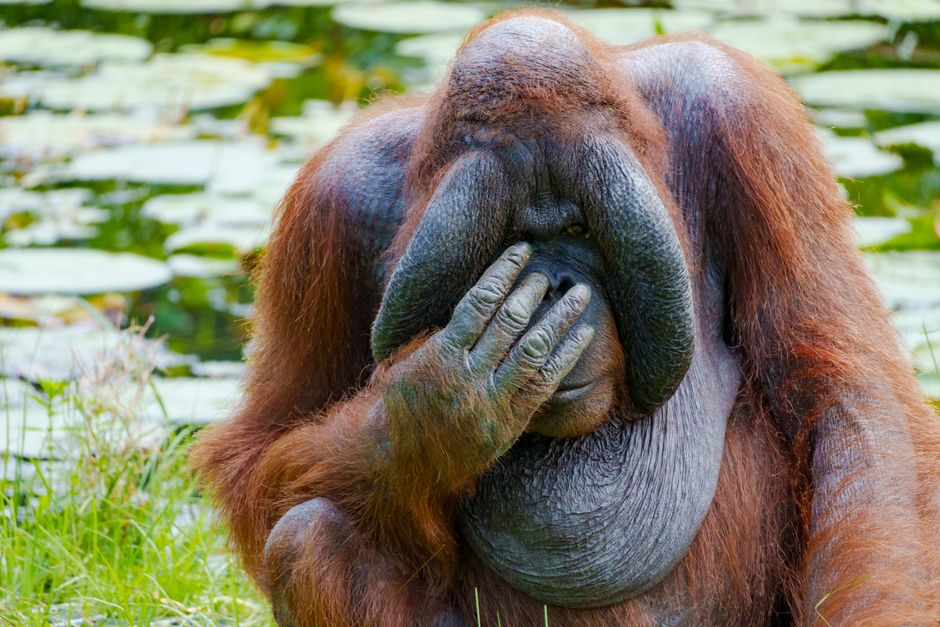
Why Do Great Apes Seem So Human? Science Explains
When a gorilla mother named Kiki pressed her hand against zoo glass to greet a human newborn, she captured global attention. She gently brought her own infant over to show the visitor, revealing an unmistakable moment of shared motherhood. If you have ever wondered why do great apes seem so human, it is because we share close evolutionary ancestry, complex brain anatomy, rich emotional lives, and overlapping social habits with gorillas, chimpanzees, bonobos, and orangutans.
Watching an ape cradle its young or mirror our facial expressions can stop anyone in their tracks. These interactions feel deeply personal because great apes possess cognitive abilities and social instincts that parallel our own everyday experiences.
Why Do Great Apes Seem So Human in Their Behavior?
Great apes seem so human because we share over 96 to 98 percent of our DNA, leading to near-identical facial expressions, hand dexterity, problem-solving skills, and deep emotional bonds. This biological kinship means their gestures, gaze, and social responses often mirror our own instincts.
When an ape looks directly into your eyes, you see focused intent and mutual recognition. They process visual information, calculate reactions, and read social cues much like humans do. In family groups, they tease one another, comfort grieving troop members, and show visible pride in their offspring.
These shared actions stem from large brains with well-developed frontal regions. Great apes use tools, show self-awareness in mirrors, and pass learned behaviors down across generations. Whether cracking nuts with stones or gently grooming a companion, their daily routines look remarkably like early human family life.
The Power of Motherhood Across Species
Maternal instincts in great apes provide some of the clearest reflections of human love. Gorilla mothers nurse, carry, protect, and instruct their infants for years before letting them wander off alone.
When Kiki held her baby boy up to the glass to meet an infant on the other side, she recognized another mother and another child. She was not showing off a toy. She was sharing a quiet moment of parental pride. Such emotional recognition proves that attachment and caregiving cross the species barrier between humans and apes.
How Do Great Apes Communicate and Express Emotion?
Great apes communicate through subtle facial expressions, deliberate hand gestures, body postures, and vocal sounds that signal fear, pleasure, affection, or warnings to others. Researchers have cataloged dozens of distinct gestures that great apes use intentionally to ask for food, invite play, or establish peace.
When young chimps play together, they make rhythmic panting sounds that scientists consider the evolutionary root of human laughter. You can often see the same energetic, joyful bursts of movement in other mammals, similar to how big cats get zoomies during high-energy play sessions.
Their faces can frown, pout, grin, and squint with unmistakable clarity. If an ape feels stressed or sad, its posture slouches, its eyes wander, and its appetite drops. In contrast, during group reunions, apes frequently embrace, kiss, and hold hands to reinforce trust and calm tensions.
Can Great Apes Show True Empathy and Compassion?
Yes, great apes show genuine empathy by comforting distressed troop mates, helping injured companions, and altering their behavior to protect younger or weaker individuals. Behavioral studies confirm that apes recognize distress in others and actively try to soothe it.
Field biologists frequently record chimps and bonobos hugging victims of group fights to lower their stress levels. If a mother loses her infant, companions often sit quietly beside her, offering gentle touches without demanding anything in return. This targeted helping behavior requires an understanding of what another individual feels.
Here are several documented ways great apes display empathy and social intelligence in the wild and in sanctuaries:
- Consoling victims of conflict through sustained hugs, pats, and quiet vocalizations.
- Adopting orphaned infants within their social group, even when the infant is not biologically related.
- Sharing food and high-value tools with peers who cannot reach resources on their own.
- Adjusting physical play to be gentler when wrestling with younger infants.
These actions prove that compassionate choices are not unique to human society. They are ancient evolutionary survival strategies that keep tight-knit primate communities healthy and secure.
Why Primates Belong in the Wild, Not as Household Pets
Great apes and smaller primates make poor household pets because their complex social, psychological, and physical needs cannot be met inside a domestic home. While their human-like qualities make them fascinating, keeping any primate in captivity without professional sanctuary infrastructure causes severe emotional distress.
Baby primates sold into the pet trade are often taken away from their mothers far too early. As they mature, even small monkeys develop immense bite strength, unpredictable wild instincts, and territorial aggression. Responsible animal lovers must always research a species' full adult needs before considering any unusual companion animal, and consult an exotic-animal veterinarian whenever assessing legal, manageable pet care.
True respect for great apes means supporting habitat conservation, backing ethical sanctuaries, and protecting wild forests where these incredible animals can raise their families safely.
Final Thoughts
Moments like a gorilla greeting a human infant remind us why do great apes seem so human in almost everything they do. Their intense family loyalties, rich communication, and deep emotional sensitivity reflect the shared origins of our own social nature. Take time to explore more RarePetCare guides to discover how science helps us understand and protect unique species across the animal kingdom.
Frequently Asked Questions
How much DNA do humans share with great apes?
Humans share roughly 98 to 99 percent of their DNA with chimpanzees and bonobos, and around 96 to 98 percent with gorillas.
Do great apes recognize themselves in a mirror?
Yes, chimpanzees, bonobos, gorillas, and orangutans consistently pass mirror self-recognition tests, demonstrating self-awareness.
Can great apes learn human sign language?
Several great apes in research settings have learned hundreds of signs to request items, describe feelings, and communicate with human caregivers.
Do wild apes use tools like humans do?
Wild great apes use sticks to fish for termites, stones to crack tough nuts, and leafy branches as sponges or umbrellas.
Explore More Small Mammals Guides
 🐹Small Mammals
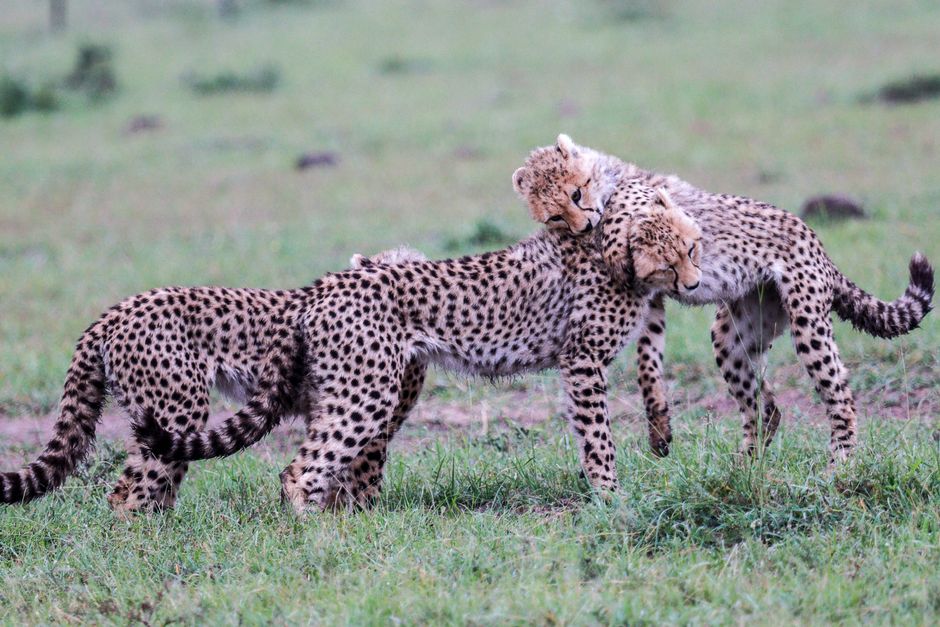
Why Do Big Cats Get Zoomies? Feline Play Explained
Discover why snow leopards and other big cats get the zoomies, and how this wild behavior mirrors our domestic companions.
 🐹Small Mammals
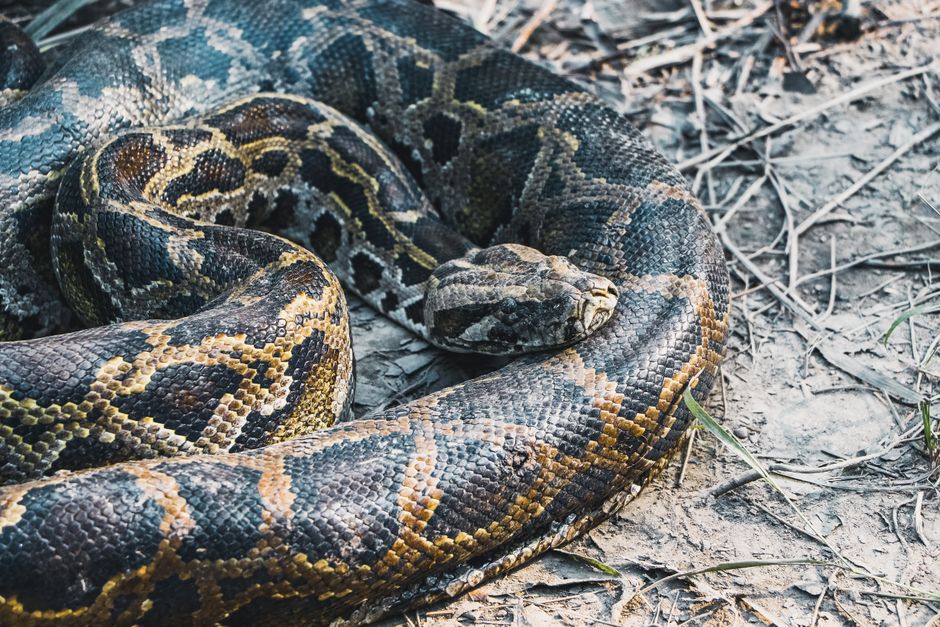
Mongoose vs Python: Can a Pack Beat a Giant Snake?
Discover what happens when a python attacks a mongoose and an entire family pack mobilizes to fight back.
 🐹Small Mammals
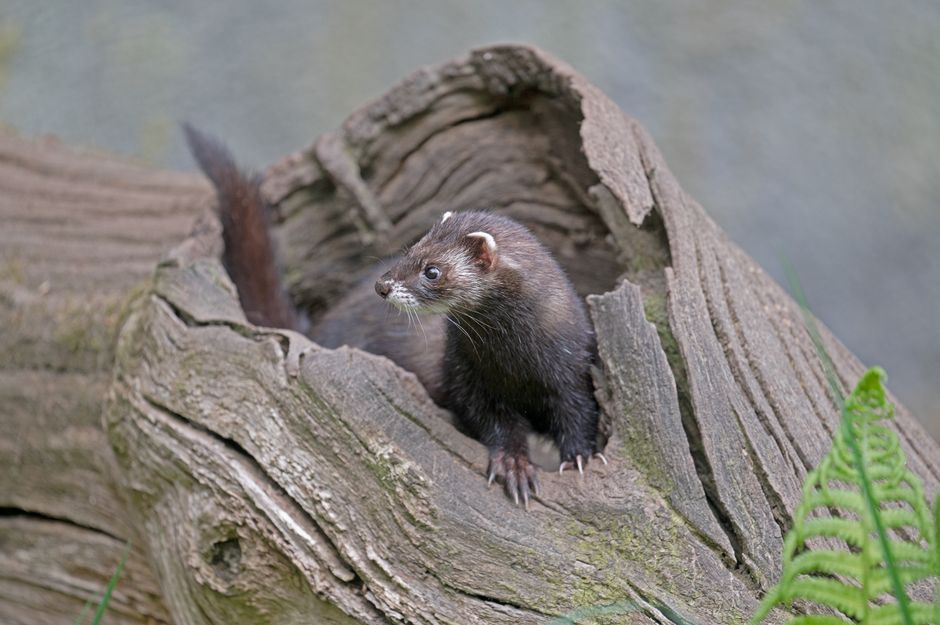
Why Do Ferrets Shake? Causes and What to Do
Discover why ferrets shake, from normal waking shivers and excitement to medical warning signs that need an exotic vet.