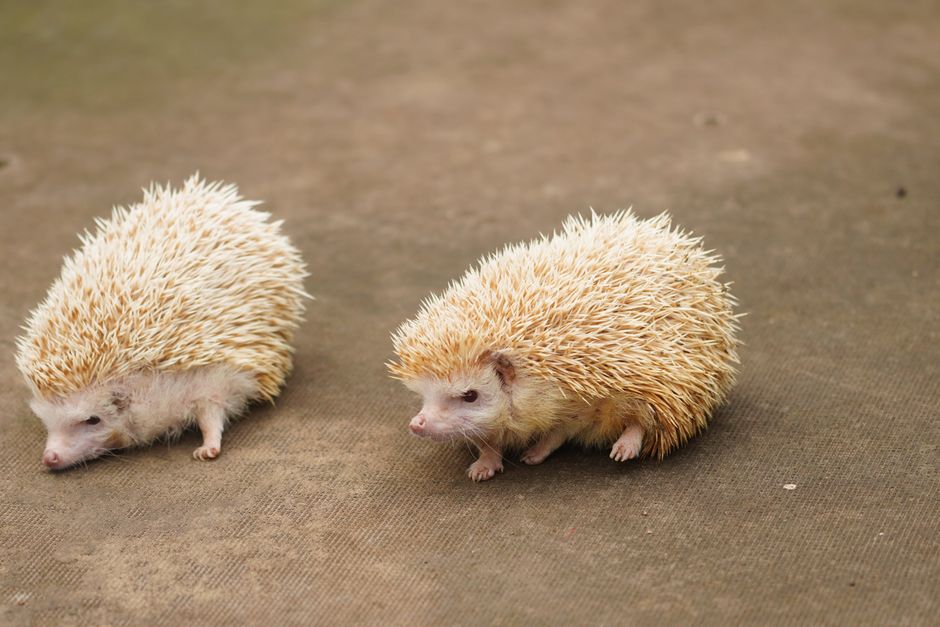
Hedgehog Quilling Signs: How to Comfort Your Pet
Finding loose spines at the bottom of your pet's enclosure can be alarming for any new keeper. Spotting normal hedgehog quilling signs is an essential part of caring for your pet, as young hedgehogs naturally shed their baby spines to make room for stronger adult coats. This developmental stage is uncomfortable for them, but knowing what to expect helps you keep your buddy relaxed and healthy.
Hedgehog quilling is the natural biological process where a young hedgehog sheds its smaller, softer juvenile quills as thicker adult quills push through the skin. It happens in predictable developmental waves during a hedgehog's first year of life. While shedding is completely routine, the emergence of new spines often makes hedgehogs irritable, sensitive to touch, and hesitant to socialize.
What Are the Most Common Hedgehog Quilling Signs?
The most common hedgehog quilling signs include increased shedding of spines, heightened irritability, and extreme sensitivity along the back. Your pet might hiss, ball up instantly when approached, or avoid being handled altogether. You may also spot tiny, sharp white tips just beginning to push through dry or pink skin across their crown and shoulders.
Behavioral shifts are often the very first clue that this process has begun. A hedgehog that once enjoyed resting in your lap may suddenly puff up and click whenever your hand gets close. Just like a teething toddler, a quilling hedgehog is dealing with physical discomfort around the clock. The pressure of hundreds of pointed shafts breaking through the skin makes even the gentlest touch feel painful.
You can also check their bedding during your daily spot cleans. Losing a handful of loose quills each day without bald spots is normal. When you look closely at these shed spines, you should see a small white root bulb at the base. That intact root confirms the quill fell out naturally rather than snapping off due to trauma or infection.
When Does Hedgehog Quilling Happen?
Hedgehog quilling typically happens in several distinct developmental stages between four weeks and one year of age. The earliest shed often begins around six to eight weeks of age, followed by a second, more intense phase around twelve to sixteen weeks. A final, smaller transition often occurs around the six-month mark as their permanent adult quills settle in.
The Early Baby Quilling Stage
The first round of quilling usually starts before or right around the time you bring your pet home from a breeder. These baby quills are short, thin, and noticeably softer than mature spines. Because the hedgehog is growing quickly, this initial stage tends to pass relatively fast, though your pet may still seem jumpy or vocal when handled.
The Major Adolescent Quilling Stage
The stage that surprises most pet parents happens between three and four months of age. During this wave, adult quills push through in large numbers, replacing the intermediate spines. This is usually the most intense phase for your pet. Their skin may look slightly flaky or dry, and their appetite might dip slightly for a day or two because of the lingering physical stress.
How to Tell Normal Quilling Apart from Mites or Skin Problems
You can distinguish normal quilling from skin infections or parasites by checking for bald spots, heavy crusting, and constant scratching. Normal quilling distributes quill loss evenly across the body without leaving bare patches of skin. If you notice localized bald patches, thick yellowish crusts around the quill bases, or torn ears, your pet likely has external parasites like mites or a fungal infection.
Mites cause intense itching that makes a hedgehog scratch relentlessly against cage walls and accessories. While a quilling hedgehog might scratch occasionally out of mild irritation, they do not spend hours rubbing themselves raw. Observing subtle physical clues is just as important here as it is when tracking reptile behaviors, such as watching for bearded dragon brumation signs during winter months.
As a responsible owner, remember that any pet requires careful attention to health and welfare before and after you bring them home. If you ever notice patchy quill loss, bleeding skin, or white dust that appears to move on your pet's back, schedule a visit with an exotic-animal veterinarian right away for proper diagnosis and prescription treatments.
How Can You Comfort a Quilling Hedgehog?
The best ways to comfort a quilling hedgehog are offering soothing warm baths, reducing direct pressure on their back during handling, and keeping their environment warm and quiet. Gentle changes to your handling routine can significantly reduce their stress while preventing them from becoming completely unsocialized.
Try these practical steps to help your hedgehog feel better during their toughest quilling days:
- Offer a warm foot soak or shallow bath with colloidal oatmeal to relieve itchy, tight skin.
- Use a soft fleece pouch or dry washcloth to scoop your pet up instead of picking them up with bare fingers.
- Avoid petting them flat against their quills, focusing instead on letting them explore your lap at their own speed.
- Keep cage temperatures stable and draft-free, as cold air makes irritated skin feel worse.
- Add a drop of safe, vet-approved conditioning oil to their diet or skin only after consulting an exotic vet.
Oatmeal baths are particularly helpful for soothing parched skin. You can place plain, unflavored rolled oats inside a clean sock, tie off the top, and swish it through warm water until the bath turns milky. Let your hedgehog wade in shallow water for five to ten minutes, making sure their head stays safely above the water level. Dry them thoroughly in a warm towel before placing them back into their cage.
Should You Stop Handling Your Hedgehog While They Quill?
You should not stop handling your hedgehog while they are quilling, but you should adjust how you interact with them. Completely halting handling for several weeks can cause your pet to lose their bond with you and revert to defensive behaviors. Instead, switch to low-pressure bonding techniques that do not require stroking their sensitive back.
Scoop your hedgehog up inside a cozy bonding scarf or a fleece cuddle sack. Let them nap on your chest or next to you on the couch while you watch television, read, or work on a computer. This lets them stay accustomed to your natural scent and voice without suffering painful pressure on their emerging quills.
Keep your handling sessions short and positive. Ten to fifteen minutes of quiet, hands-off lap time every day is far better than an hour of stressful handling. Rewarding them with a favorite high-protein insect treat right before putting them back into their home builds trust even when they are feeling grumpy.
Final Thoughts
Watching for hedgehog quilling signs allows you to offer patience and relief when your prickly friend needs support the most. Understanding that their sudden grumpiness is just a temporary reaction to growing new spines makes the bonding journey much smoother for both of you. Take some time to explore our other small mammal and exotic pet guides on RarePetCare to keep your unique animal companions thriving.
Frequently Asked Questions
How long does hedgehog quilling usually last?
Each active quilling phase typically lasts between two to six weeks. The entire process wraps up once your hedgehog reaches full adult size, usually around their first birthday.
Can adult hedgehogs go through quilling?
Adult hedgehogs lose a few loose spines occasionally during regular grooming, but they do not experience full quilling phases. Heavy quill loss in an adult hedgehog indicates mites, stress, nutritional problems, or illness.
Does quilling hurt a baby hedgehog?
Yes, quilling causes noticeable physical tenderness and discomfort as thick new shafts break through the skin. This pain is the primary reason why friendly hedgehogs often become grumpy or hissy during a flare-up.
What should shed hedgehogs quills look like?
Healthy shed quills should have a tiny, hard white bulb at the base, which represents the natural root. If the quill is fractured, missing a root, or covered in crusty fluid, an underlying skin problem may be present.
Explore More Small Mammals Guides
 🐹Small Mammals
Why Do Great Apes Seem So Human? Science Explains
From tender parenting moments to shared expressions, find out why great apes feel so remarkably familiar to us.
 🐹Small Mammals
Why Do Big Cats Get Zoomies? Feline Play Explained
Discover why snow leopards and other big cats get the zoomies, and how this wild behavior mirrors our domestic companions.
 🐹Small Mammals
Mongoose vs Python: Can a Pack Beat a Giant Snake?
Discover what happens when a python attacks a mongoose and an entire family pack mobilizes to fight back.