Why Do Big Cats Get Zoomies? Feline Play Explained
Anyone who shares a home with a domestic cat knows the sudden burst of evening madness called the zoomies. When viral footage shows wild snow leopards sprinting across rocks and bouncing off walls, pet owners ask the same question. Big cats get zoomies because sudden bursts of high-speed running burn excess energy, relieve stress, and keep predatory reflexes sharp. This behavior is formally known as frenetic random activity periods, and it occurs across feline species regardless of body size.
Understanding why do big cats get zoomies gives us a fascinating look into feline biology and instincts. Whether tracking wildlife on remote cliffs or watching a companion cat at home, the underlying drive remains almost identical.
Why Do Big Cats Get Zoomies in the Wild and Zoos?
Big cats get zoomies primarily to release stored metabolic energy and discharge physiological tension after long periods of resting. Cats are ambush predators built for explosive speed rather than endurance, so their bodies build up energy that demands a rapid physical outlet.
In both wild settings and accredited zoological facilities, large felines spend many hours sleeping or watching their territory. When a surge of adrenaline or excitement hits them, they run, twist, and pounce on imaginary targets. This rapid sprinting activates their cardiovascular system and resets their mental focus.
Solitary hunters such as snow leopards, leopards, and jaguars rely on quick acceleration to survive. Burning off excess steam through brief running fits ensures their joints stay flexible and their nervous systems remain primed for sudden action.
How Frenetic Random Activity Periods Work in Predators
Frenetic random activity periods, commonly called FRAPs, are neurochemical events triggered by sudden releases of dopamine and adrenaline in the nervous system. These neurochemicals produce an urgent compulsion to sprint, jump, and change direction without any external prey present.
During a frantic running episode, a large cat will tuck its tail, flatten its ears slightly, and accelerate to top speed within two strides. You may observe them bank against boulders, climb tree trunks, or skid across turf before stopping just as abruptly as they started.
The Role of Hunting Practice in Young Cats
For adolescent felines, these sudden sprints double as essential hunting practice. Young cats learn how their mass shifts during sharp turns and how to balance on uneven terrain during high-speed chases. You can see similar predatory footwork when watching a wild feline track quarry, such as a bobcat hunting a rattlesnake in scrubland.
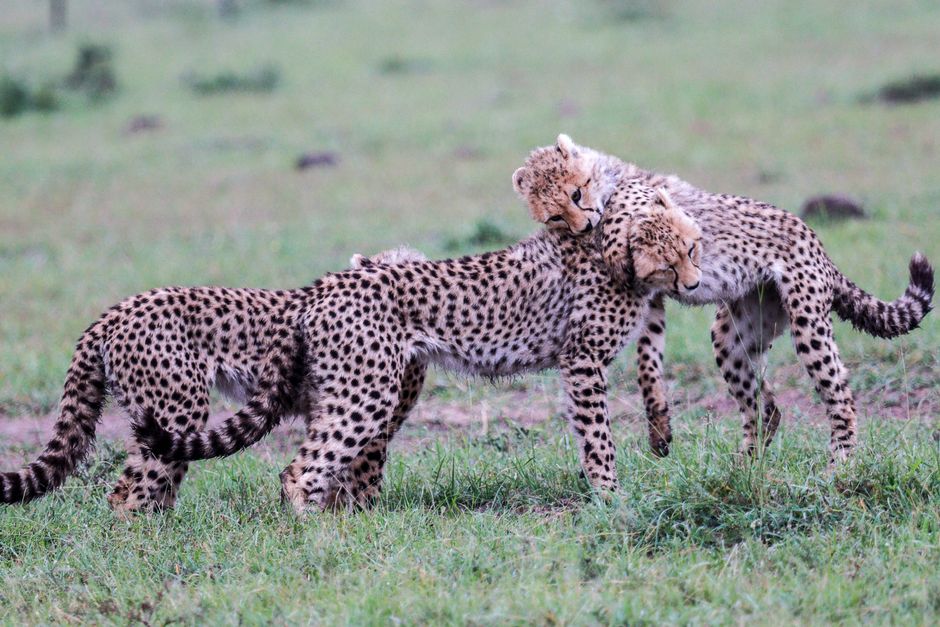
Mock hunting allows developing predators to test their reaction times without the risk of prey fighting back. When two young snow leopards chase each other in tandem, they take turns playing the role of pursuer and target. This social dynamic teaches them bite inhibition and spatial awareness before they establish solitary adult territories.
Do Captive Big Cats Zoom More Often Than Wild Ones?
Captive big cats often display zoomies more frequently than their wild counterparts because they receive scheduled meals and do not spend hours actively stalking prey across rugged home ranges. This steady diet leaves them with surplus calories that natural hunting would otherwise consume.
Wild snow leopards must travel miles over steep, freezing mountain ridges to secure a single meal. In contrast, cats living in sanctuaries receive balanced nutrition without strenuous travel. Excellent caretakers provide complex enrichment items such as scent trails, puzzle feeders, and climbing structures to keep their minds engaged.
Even with outstanding habitat design, captive felines still experience bursts of energy that only a flat-out sprint can resolve. Seeing a captive cat run with wild abandon is usually a sign of good health and physical comfort, showing they feel safe enough in their environment to play openly.
It is worth noting that while these behaviors look adorable on video, big cats require specialized institutional environments. Responsible animal lovers should always support accredited sanctuaries and never attempt to keep exotic wild felines as personal pets.
What Triggers Sudden Feline Running Fits?
Sudden feline running fits are triggered by specific environmental cues, including temperature drops, feeding anticipation, post-defecation relief, and environmental changes. A sharp shift in weather often sparks spontaneous running fits in cold-adapted species like snow leopards.
Here are the most common stimuli that provoke sudden running episodes in large and small cats alike:
- Sudden temperature drops or fresh snowfall that invigorate cold-climate predators.
- Sensory excitement from a novel scent, wind gusts, or rustling vegetation.
- Post-elimination physical relief caused by stimulation of the vagus nerve.
- Social cues from a sibling or companion inviting an energetic chase.
- Anticipation of daily activity periods, particularly near dawn and dusk.
Dawn and dusk, known as crepuscular hours, represent the natural hunting windows for most feline species. Internal biological clocks cue their brains to awaken and move, producing wild sprints even when there is nothing to hunt.
Comparing Big Cat Play to Domestic Cat Zoomies
Big cat play mirrors domestic cat zoomies almost exactly because both animals share nearly ninety-six percent of the same genetic material and identical muscular structures. The wild crouch, sudden sideways hop, and dilated pupils seen in an eighty-pound snow leopard match the actions of an eight-pound house tabby.
Both animals use their flexible spines and powerful rear legs to launch into sudden acceleration. While the house cat may sprint across a rug and leap onto a cat tree, a snow leopard uses the exact same mechanics to bound over granite boulders.
Understanding this shared behavior reminds pet parents that their domestic companions carry wild instincts in their living rooms. Providing climbing perches, running corridors, and interactive toys helps your home pet express these ancient behaviors safely.
Final Thoughts
Watching snow leopards sprint across their enclosures provides a clear look at why do big cats get zoomies, proving that feline joy and predatory instinct exist across every branch of the cat family. These sudden running fits keep wild predators fit, sharp, and mentally balanced throughout their lives. If you love learning about fascinating animal instincts, explore our other RarePetCare guides to discover how exotic species thrive.
Frequently Asked Questions
Are zoomies a sign of stress in big cats?
No, zoomies are generally a healthy sign of playfulness and physical vitality rather than distress. If a cat shows pacing along a repetitive path instead of varied sprinting, that would indicate stress.
At what age do big cats get zoomies most often?
Adolescent and sub-adult big cats display zoomies most frequently as they develop muscle coordination and test predatory skills. Older adults still experience them occasionally, but with lower frequency.
Why do snow leopards bite their own tails when playing?
Snow leopards often hold their thick tails in their mouths for comfort, warmth, and play balance during active moments. It is a natural self-soothing habit unique to their thick-tailed mountain physiology.
Can pet cats injure themselves during sudden zoomies?
Indoor cats rarely suffer severe injuries during zoomies, though slick floors and sharp furniture edges can occasionally cause slips. Keeping open runway spaces and trimming nails helps protect them during sudden sprints.
Explore More Small Mammals Guides
 🐹Small Mammals
Mongoose vs Python: Can a Pack Beat a Giant Snake?
Discover what happens when a python attacks a mongoose and an entire family pack mobilizes to fight back.
 🐹Small Mammals
Why Do Ferrets Shake? Causes and What to Do
Discover why ferrets shake, from normal waking shivers and excitement to medical warning signs that need an exotic vet.
 🐹Small Mammals
Can Chinchillas Get Wet? Why Water Is Risky
Wondering if chinchillas can get wet? Learn why water poses serious health risks for their dense coat and how to handle accidents safely.