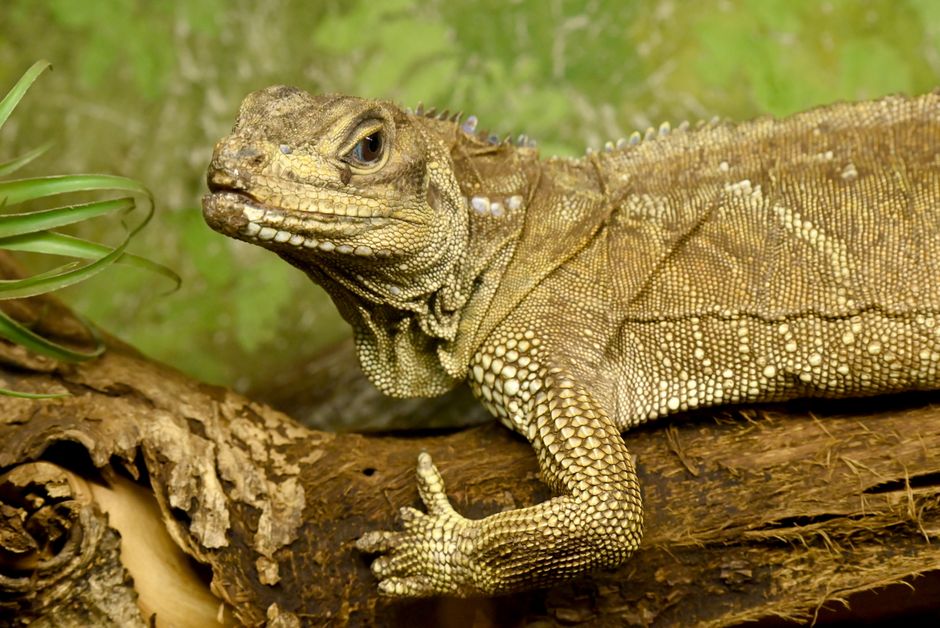
How to Prevent the Top Reptile Health Issues
Caring for a pet reptile is a rewarding experience, but noticing when your scaly friend feels unwell can be challenging for even dedicated pet parents. Because these unique pets naturally hide symptoms of illness to protect themselves in the wild, many owners search for red flags before small issues turn into major medical emergencies. Learning about common physical and behavioral warning signs helps you protect your scaly companion and catch potential health issues early.
How Do You Know If a Reptile Is Sick?
Reptiles usually show sickness through subtle changes in behavior, appetite, and physical appearance. A healthy animal is typically alert, eats regularly, and moves with confidence, whereas an unwell pet might hide constantly, refuse food, or display unusual posture. Because cold-blooded animals rely heavily on their environment to regulate bodily functions, even slight changes in lethargy or digestive output can signal an underlying health concern. Paying close attention to your pet's daily routine makes it much easier to spot trouble long before it becomes critical.
Early Signs of Metabolic Bone Disease
Metabolic bone disease is a common condition that leads to weak bones, soft jaws, and jerky limb movements when an animal lacks adequate ultraviolet light or proper dietary minerals. If you notice twitching toes, difficulty supporting body weight, or unusual bends along the spine, consult an exotic-animal veterinarian immediately for proper diagnosis and treatment guidance. Catching this dietary and environmental imbalance in its initial stages prevents permanent skeletal deformities.
What Causes Respiratory Infections in Reptiles?
Respiratory infections in reptiles are almost always caused by improper enclosure temperatures, incorrect humidity levels, or poor cage ventilation. When a habitat stays too cold or excessively damp, an animal's immune system weakens, allowing bacteria and fungi to multiply inside the respiratory tract. Affected pets often breathe with an open mouth, produce wheezing or clicking sounds, or show excess bubbles and mucus around their nostrils and mouth area.
Simple Ways to Protect Their Airways
Maintaining proper thermal gradients across the enclosure allows your pet to warm up or cool down as needed, keeping their immune system active. You should regularly check habitat conditions using accurate digital gauges and clean wet substrate immediately to prevent bacteria build-up. Ensuring adequate airflow while eliminating cold drafts helps create a stable, safe atmosphere for breathing.
Why Is My Reptile Having Trouble Shedding?
Difficulty shedding usually stems from insufficient enclosure humidity, dehydration, or a lack of suitable textures inside the habitat. When old skin fails to come off smoothly, it can get stuck around delicate areas like toes, tail tips, and eye caps. Over time, layers of stuck shed can restrict blood circulation or cause eye infections, so providing a damp hide box filled with safe, moist substrate gives your pet the extra moisture needed to slough off dead skin easily.
What Causes Parasites and Mouth Rot in Reptiles?
Intestinal parasites and mouth rot typically develop from unhygienic habitat conditions, stress, or minor oral injuries that become infected. Mouth rot presents as red, inflamed gums, swollen jawlines, or cottage-cheese-like discharge inside the mouth, often triggered by prey bites or rubbing against enclosure glass. Internal parasites can cause unexplained weight loss, runny stools, or poor growth despite a healthy appetite. Keeping a strict cleaning schedule and quarantining any new pets prevents these contagious issues from spreading across your collection.
How Can You Prevent Common Reptile Health Issues?
You can prevent the vast majority of reptile health problems by thoroughly setting up and testing heating, lighting, and humidity equipment before bringing your new pet home. Researching proper diet requirements, using quality supplements recommended by professionals, and keeping a consistent cleaning routine will eliminate most environmental causes of illness. For more detailed guides on maintaining ideal enclosures, feel free to explore our reptiles category. Always research a species' full adult size, habitat demands, and dietary requirements before buying to ensure you can meet their welfare needs over their entire lifespan.
Final Thoughts
Taking a proactive approach to pet reptile wellness relies on daily observation, balanced nutrition, and proper enclosure management. When you spot subtle warning signs quickly and adjust your care habits, you protect your pet from unnecessary stress and illness. Partnering with an exotic-animal veterinarian ensures your reptile stays happy, active, and thriving for many years.
Frequently Asked Questions
How often should I clean my reptile's enclosure?
Spot clean droppings daily and perform a full habitat deep clean once a month using pet-safe disinfectants. This prevents bacterial growth and parasite buildup.
Can I treat my reptile's illness at home?
You should never attempt to treat a sick reptile at home without professional veterinary guidance. Always consult an exotic-animal vet for proper diagnosis and medical care.
Why is my reptile refusing to eat?
Refusing food can be caused by improper cage temperatures, shedding stress, low lighting, or internal illness. Check your heat and light settings first, then monitor for other symptoms.
Do reptiles need calcium supplements?
Yes, most captive reptiles require regular calcium supplementation on their food to maintain healthy bones. Consult an exotic veterinarian to determine the right schedule for your species.
Explore More Reptiles Guides
 🦎Reptiles
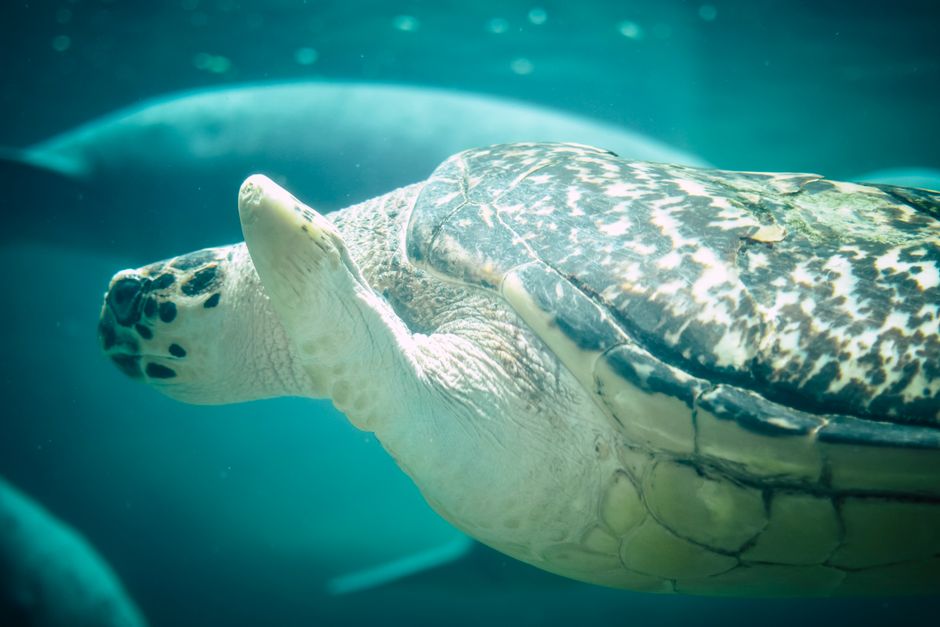
Hawksbill Sea Turtle Endangerment: What Happened
Learn the primary causes of hawksbill sea turtle endangerment, the history of the tortoiseshell trade, and how to protect them today.
 🦎Reptiles
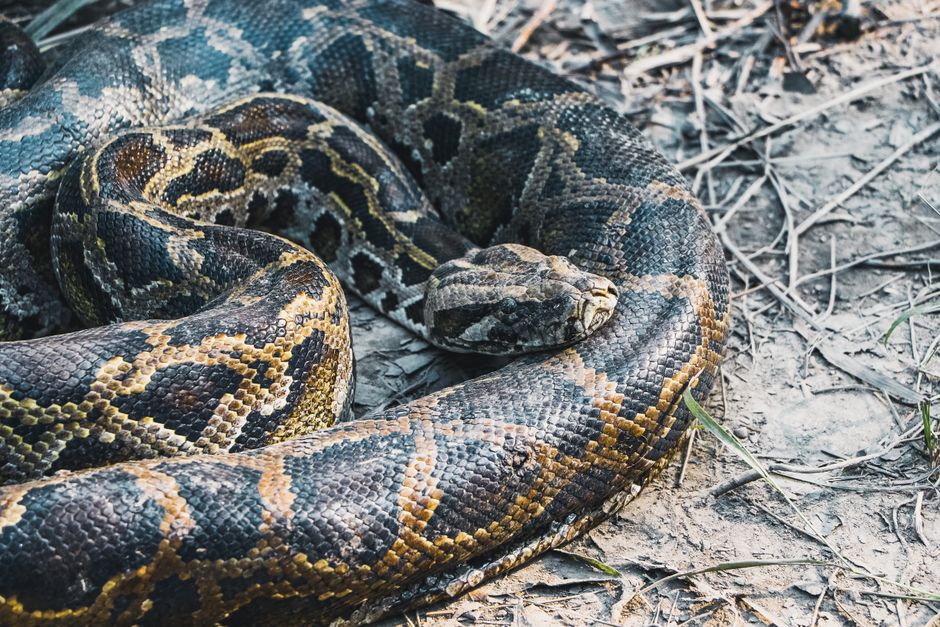
Longest Wild Snake Ever Found: A Record Python
A record-setting giant reticulated python discovered in Indonesia reveals how large wild snakes can grow in undisturbed rainforests.
 🦎Reptiles
Reptile Smuggling: Inside the Haneda Airport Bust
Japanese customs seized 200 lizards stuffed into socks at Haneda Airport, shining a light on illegal wildlife trafficking.