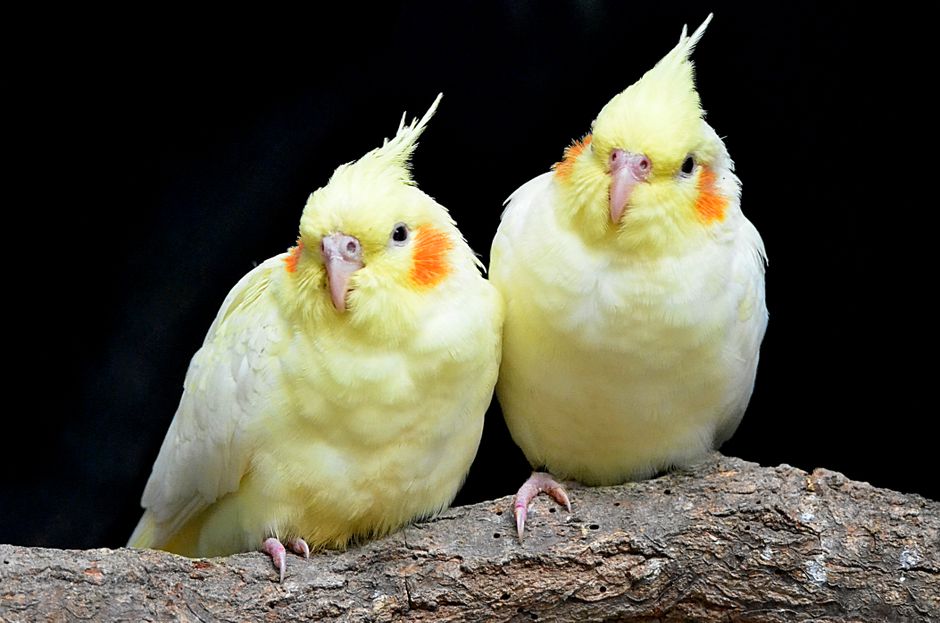
How to Stop Cockatiel Screaming: Simple Training Steps
A screaming bird can turn a calm house into a noisy place very quickly. Cockatiels are known for their sweet whistles and social personalities, but persistent calling can test any bird parent's patience. If you want to know how to stop cockatiel screaming, you must first learn why your bird is making so much noise. Parrots do not make noise without a reason. Once you understand the motivation behind the sound, you can fix the issue with simple training steps and small changes around your home.
Why Is My Cockatiel Screaming All the Time?
Cockatiels use vocalizations to talk to their human family just like they would interact with a wild flock. When your bird loses sight of you, its natural instinct is to yell out a warning or check your location. This behavior is called a flock call. It is a completely normal response, but it becomes a problem when your bird learns that screaming brings you running into the room.
Boredom and frustration are two other major reasons for excessive noise. A bird stuck in a small cage with nothing to do will turn to screaming just to pass the time. Environmental triggers like loud television sets, barking dogs, or bright moving shadows outside the window can also startle your pet.
In some cases, physical discomfort causes loud calling. If your bird is hungry, thirsty, or cold, it will let you know in the loudest way possible. Before you attempt any noise training, make sure all basic physical needs are met. Check that clean water and fresh food are always available inside the enclosure.
Understanding the Cockatiel Flock Call
A flock call is a sharp, loud sound that repeats until your bird gets an answer. In the wild, this call keeps the flock together in dense trees. In your home, your bird considers you part of its flock. When you leave the room, your pet yells to ask where you went.
If you yell back across the house, your bird thinks you are engaging in a fun calling contest. If you walk back into the room every time it screams, you teach your bird that yelling works. To quiet a flock call, you must react with a soft whistle or ignore the loud noise completely until the bird goes silent.
How to Stop Cockatiel Screaming for Attention
The most effective way to stop attention seeking noise is through positive reinforcement. This means you reward the quiet behaviors you want to see and ignore the loud screaming you want to stop. Changing a bird's behavior takes time, so every human in your home must follow the same rules every single day.
When your cockatiel starts screaming for attention, do not look at the bird. Do not talk to the bird, and do not make eye contact. Do not leave the room abruptly if you were already sitting there, but turn your back or walk out calmly if the noise continues. Looking at your bird or shouting be quiet counts as attention in your bird's mind. Even negative attention reinforces bad habits.
Wait for a period of silence. Start small with just five to ten seconds of complete quiet. The moment your bird goes quiet, offer immediate praise, a sweet phrase, or a favorite treat like a tiny spray of millet. You can also respond immediately when your bird makes a pleasant sound, such as a soft whistle or a quiet chirp. Over time, your pet learns that gentle whistles bring reward, while loud screaming causes you to turn away.
Consistency in your daily schedule also helps reduce anxiety. Following a predictable parrot morning routine lowers overall stress levels and prevents nervous screaming sessions before breakfast.
What Should You Do When Your Cockatiel Screams at Night?
Nighttime screaming is usually caused by fear rather than a desire for attention. Cockatiels are prone to night frights, which happen when a sudden noise, shadow, or insect startles them in the dark. A frightened bird will thrash around the cage, flap its wings wildly, and scream out of panic.
To stop nighttime screaming, place the cage in a quiet, low traffic corner away from drafty windows and sudden outdoor lights. Cover three sides of the cage with a breathable dark sheet at bedtime. Leaving one side partially open or using a dim night light near the cage gives your bird enough visibility to feel safe if it wakes up suddenly.
Keep air vents, fan blades, and heavy curtains away from the resting area. Moving shadows from a ceiling fan can look like a predator bird to a small cockatiel. If a night fright occurs, turn on a soft light immediately and talk to your bird in a calm, soothing voice until it settles down on its perch. Avoid opening the cage door while the bird is panicked to prevent accidental escape or wing injury.
How Does Enclosure Setup and Enrichment Prevent Loud Noise?
A busy bird is a quiet bird. Cockatiels are intelligent animals that spend hours in the wild searching for seeds, flying through trees, and interacting with flock mates. If a pet bird sits in a bare cage all day, high stress and excessive vocalization are guaranteed results.
Providing varied textures, foraging opportunities, and foot toys keeps your pet's brain working on positive activities instead of vocalizing. Rotate toys every week so your bird does not get bored with the same items. You can easily make engaging toys at home out of bird safe paper, cardboard, and palm leaves. Using creative safe DIY pet bird toys keeps your parrot entertained while saving money.
Try these simple environmental improvements to reduce boredom:
- Place foraging trays filled with safe paper shreds and hidden seeds at the bottom of the enclosure.
- Provide natural wood perches with varying diameters to exercise foot muscles and promote beak chewing.
- Offer simple cardboard rolls or woven palm toys that your bird can destroy safely.
- Move the cage near a bright window where your bird can watch trees without direct sun exposure.
- Play soft classical music or gentle radio stations when you leave the house to provide background sound.
When Is Cockatiel Noise a Sign of Illness?
Not all noise issues come from behavioral habits or boredom. A sudden increase in screeching, crying sounds, or low grunting can indicate physical pain, injury, or illness. Birds are prey animals and naturally hide health problems, but vocal changes often show up when distress becomes severe.
Pay close attention to your bird's physical signs alongside vocal changes. Look for fluffed feathers, low energy, heavy breathing, sitting on the cage floor, or changes in droppings. As part of good animal welfare, bird owners should research species requirements thoroughly and build a relationship with a qualified veterinarian early on. If your cockatiel displays sudden scream patterns along with any physical symptoms, contact an exotic-animal veterinarian immediately for a professional evaluation.
Final Thoughts
Learning how to stop cockatiel screaming requires patience, clear rewards, and consistent effort from everyone in your household. By meeting your bird's physical needs, enriching its environment, and rewarding quiet whistles, you can rebuild a calm atmosphere at home. Explore our other guides on RarePetCare for more practical tips on parrot care, training, and enrichment!
Frequently Asked Questions
Should I cover my cockatiel's cage when it screams?
Covering the cage during daytime screaming is not recommended because it can increase fear and confusion. Use cage covers only at bedtime to signal sleep time or to help your bird recover from a night fright.
How long does it take to train a cockatiel to stop screaming?
Behavior changes usually take two to four weeks of consistent training. Every person in the household must ignore screaming and reward quiet sounds for the training to work.
Is it normal for a cockatiel to scream in the morning?
Yes, wild cockatiels greet the sun with calls to locate their flock. You can reduce morning noise by establishing a regular sleep schedule and uncovering the cage at the same time each day.
Why does my cockatiel scream when I leave the room?
Your bird is using a flock call to check where you went. Answer with a quiet, pleasant whistle instead of yelling back so your bird learns to use soft sounds to stay in touch.
Explore More Birds Guides
 🦜Birds
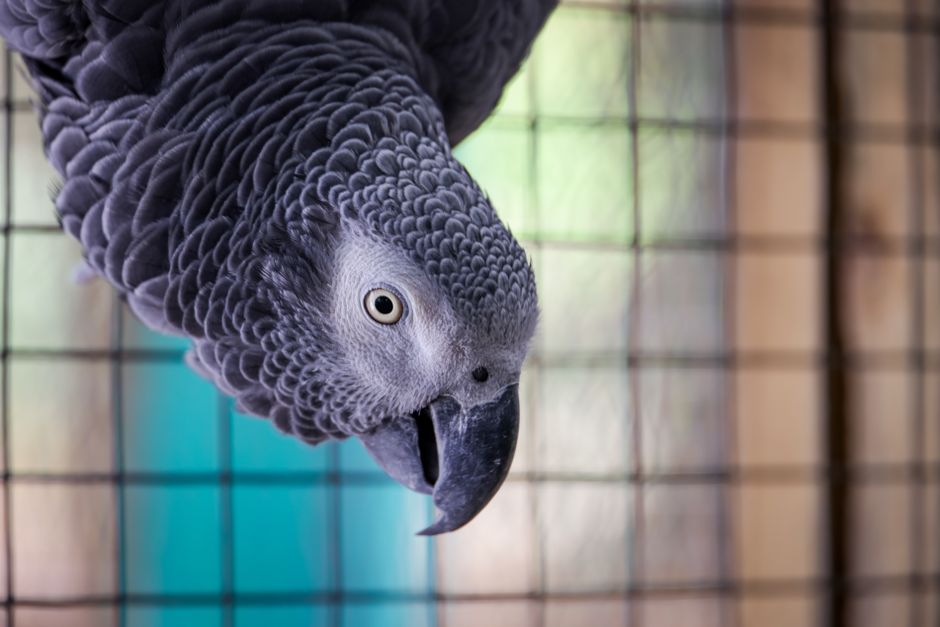
Wild Parrots of San Francisco: Rescue and Urban Life
A wild red-masked parakeet was freed by firefighters in San Francisco, showing the unique challenges feral parrot flocks face in the city.
 🦜Birds
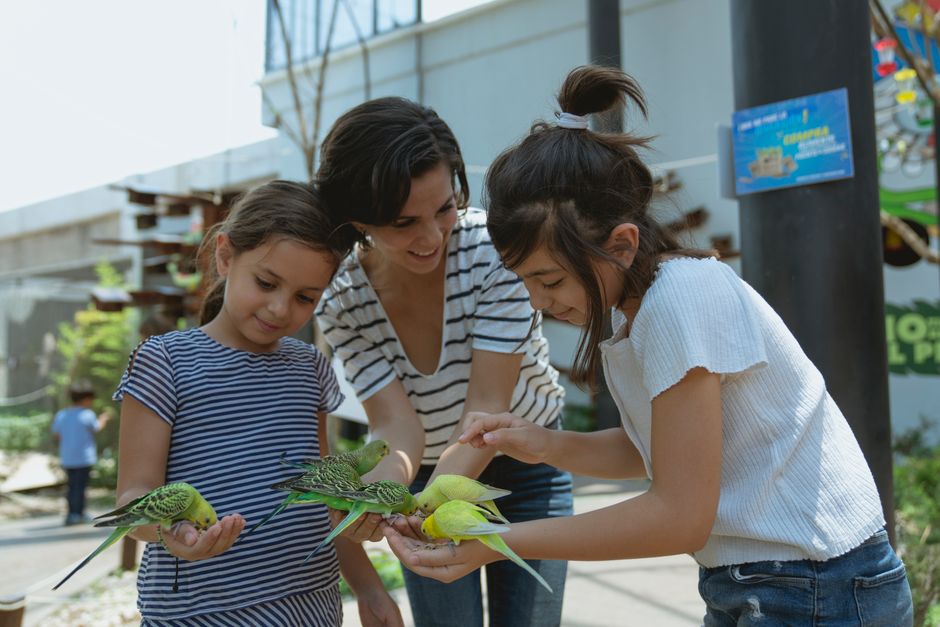
How to Bond with a Bird: Safe Steps for Pet Parents
Learn how to bond with a bird using gentle body language, predictable routines, and positive reinforcement to build lifelong trust.
 🦜Birds
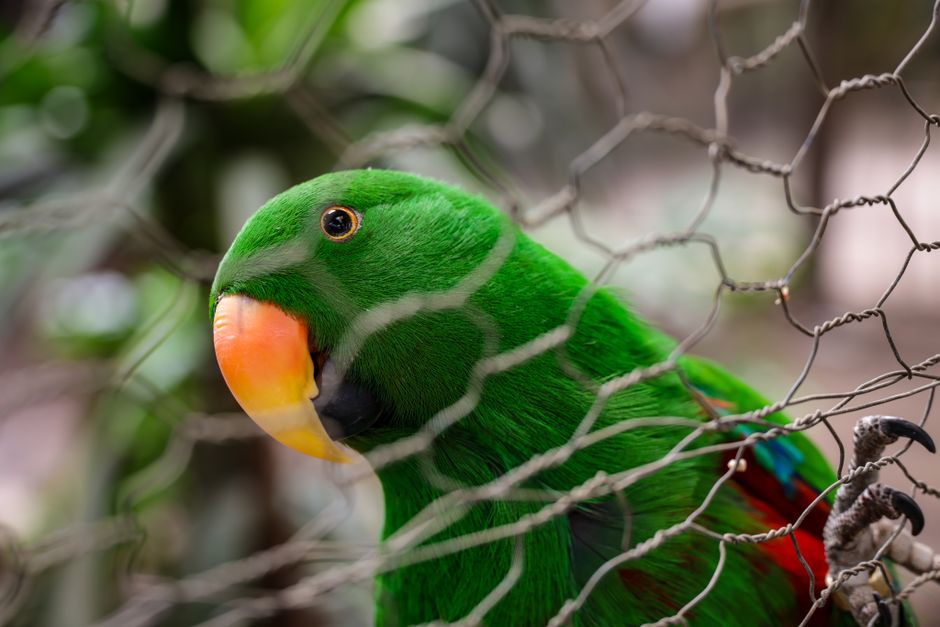
How to Stop Parrot Screaming: Safe and Proven Fixes
Discover humane, practical strategies to calm a loud bird, eliminate attention shrieks, and restore peace to your home.