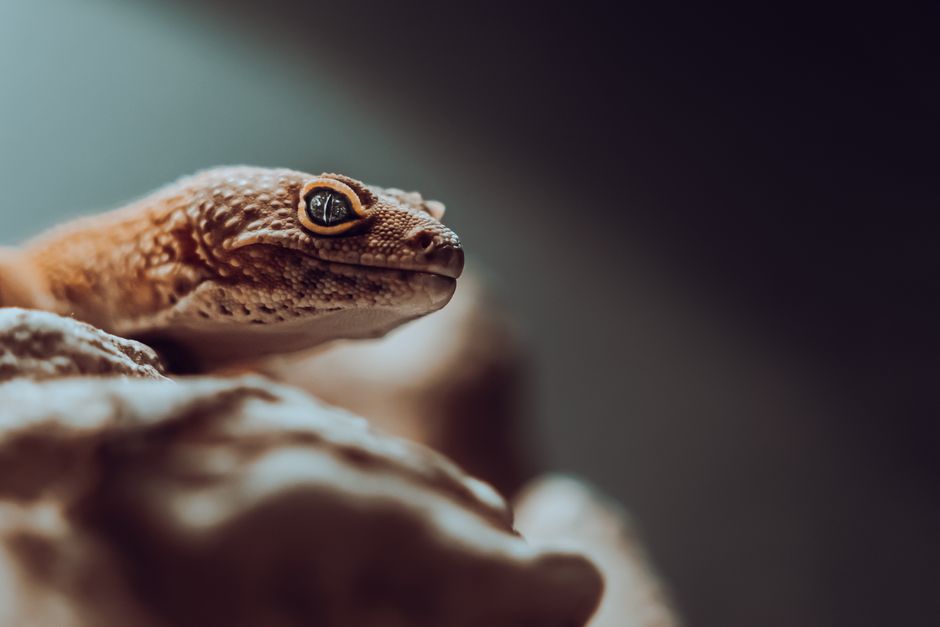
Bearded Dragon vs Leopard Gecko: Which Pet Is Best?
Choosing between a bearded dragon vs leopard gecko comes down to your space, budget, and daily schedule. Bearded dragons are active, daytime lizards that need large enclosures, high-heat lighting, and fresh greens every day. Leopard geckos are calm, evening-active lizards that stay small, eat only insects, and fit comfortably in compact terrariums.
Both species have earned legendary reputations among reptile keepers for good reason. They are hardy, tolerate gentle handling, and show distinct personalities once they settle in. Still, their day-to-day requirements could not be more different. Taking an honest look at your living space and daily habits will make your decision simple.
How Much Space Do Bearded Dragons and Leopard Geckos Need?
A bearded dragon requires significantly more living space than a leopard gecko because it grows much larger and moves around constantly during the day. An adult bearded dragon needs a large enclosure with ample floor space for walking and turning, while an adult leopard gecko thrives in a standard, low-profile terrarium.
Bearded dragons grow up to two feet long from snout to tail tip. Because of their size, a standard starter tank quickly becomes cramped within their first year of life. You will need to dedicate a substantial piece of furniture or dedicated floor space to accommodate their permanent home. They also appreciate front-opening doors so you do not startle them from above when cleaning or offering food.
Leopard geckos, on the other hand, usually stay under ten inches in length. They are terrestrial ground dwellers that do not need excessive vertical space. A shallow enclosure fits easily on a standard desk, dresser, or sturdy bookshelf. If you live in an apartment, dorm-style setting, or simply have limited room to spare, a leopard gecko is far easier to place comfortably without rearranging an entire room.
What Do Bearded Dragons and Leopard Geckos Eat?
Leopard geckos are strict insectivores that eat only live bugs, while bearded dragons are omnivores that require a mix of live insects and fresh leafy greens. This means bearded dragon owners must chop fresh vegetables daily, whereas leopard gecko owners only need to manage live insect feeders a few times each week.
Adult bearded dragons get the majority of their daily nutrition from plant matter. You will find yourself stocking your kitchen fridge with collard greens, mustard greens, squash, and turnip greens. They also eat live insects such as dubia roaches and crickets, but their reliance on fresh produce means daily prep work and frequent grocery trips to keep fresh food in stock.
Managing Daily Salads vs Insect Keepers
Leopard geckos simplify the grocery run because they will not touch vegetables, pellets, or dead matter. They only eat live prey that wiggles and triggers their hunting instinct. If touching live crickets, mealworms, or roaches makes you squeamish, a leopard gecko will challenge your comfort zone every single week.
Here is a quick look at how their feeding schedules compare once they reach adulthood:
- Bearded Dragon: Fresh chopped greens offered every morning, supplemented with live gut-loaded insects two to three times per week.
- Leopard Gecko: Live gut-loaded insects dusted with calcium offered every two to four days, with no vegetable prep required.
Both lizards require proper vitamin and mineral dusting to prevent nutritional deficiencies. Always research proper supplementation schedules and consult an exotic-animal veterinarian for specific dietary guidance tailored to your lizard's age and health.
Lighting and Heating: Which Lizard Is Easier to Care For?
Leopard geckos are much easier to heat and light because they do not require intense basking lamps to maintain their health. Bearded dragons require strong basking lights and specialized, high-output linear UVB tubes across a steep temperature gradient to properly digest meals and absorb nutrients.
A bearded dragon setup demands careful attention to environmental heat. You need a dedicated basking spot that reaches high surface temperatures, paired with a cool side where the lizard can rest when warm enough. Maintaining this balance requires high-wattage heat lamps and digital thermometer probes. Additionally, their UVB light tube must be replaced every six to twelve months, even if the light still turns on, because invisible UV output degrades over time.
Leopard geckos are crepuscular, meaning they are most active at dawn and dusk. While low-level UVB lighting benefits their overall welfare, their thermal requirements are far simpler to manage. A gentle overhead ceramic heat emitter or deep heat projector on a reliable thermostat creates an ideal warm zone without turning your bedroom into a tropical sauna. Their lower wattage requirements also translate to lower monthly electric bills.
Bearded Dragon vs Leopard Gecko: Which Has a Better Temperament?
Both lizards have calm, gentle temperaments, but bearded dragons tend to be bolder, more social, and more tolerant of long handling sessions outside their habitat. Leopard geckos are sweet-natured and easy to hold, but they are smaller, more delicate, and prefer quiet interactions close to ground level.
A bearded dragon often enjoys hanging out on your chest or shoulder while you watch television or work at a computer. They rarely bolt when properly socialized, and their daytime activity rhythm means they are awake and alert whenever you are moving around the house. If you want a reptile that feels like an interactive companion during the afternoon, a bearded dragon fills that role beautifully.
Leopard geckos sleep through most of the day inside a dark hide box and emerge in the evening. They tolerate gentle handling well and will walk calmly from hand to hand. However, you must handle them with care. If startled or grabbed roughly, a leopard gecko can drop its tail as a defense mechanism. While the tail eventually grows back, preventing that stress should always be your goal.
When acclimating a new lizard or bringing one home for the first time, keeping stress low is essential. Having a reptile calming kit on hand can help smooth the transition into a new habitat. Once settled, check their toes and eyes regularly during every shed cycle. If you ever notice retained skin after a molt, review our guide on handling stuck shed on a leopard gecko to safely resolve the issue without injuring delicate toes.
Which Pet Lizard Costs More to Keep?
Bearded dragons cost substantially more to purchase, house, and feed over their lifespan than leopard geckos. Between a massive enclosure, high-output lighting fixtures, recurring bulb replacements, and daily fresh produce, a bearded dragon requires a larger initial and ongoing financial commitment.
A complete bearded dragon setup can easily cost several hundred dollars before you even purchase the lizard itself. The ongoing cost of replacement linear UVB bulbs, higher electricity usage, and fresh weekly greens adds a regular line item to your household budget. Their veterinary care also requires an exotic specialist, which carries higher routine visit fees than typical dog or cat care.
A leopard gecko setup is much gentler on your wallet. A modest tank, a simple thermostat, a low-wattage heat source, and three basic hides make up the entire habitat. Their insect-only diet can be purchased in bulk or even bred at home with a small colony of dubia roaches or mealworms, keeping monthly feeding expenses very low.
Final Thoughts
Choosing between a bearded dragon vs leopard gecko comes down to how much space, time, and budget you can realistically devote each day. A bearded dragon gives you an active, daytime friend if you have room for a large enclosure, while a leopard gecko delivers a hardy, low-maintenance pet that fits almost any living situation. Explore our other reptile care guides on RarePetCare to prepare your home for your next scaled family member.
Frequently Asked Questions
Can bearded dragons and leopard geckos live together in the same tank?
No, you should never house a bearded dragon and a leopard gecko together. They have completely different environmental needs, and a bearded dragon will view a smaller leopard gecko as prey.
Which lizard lives longer, a bearded dragon or a leopard gecko?
Leopard geckos generally have longer lifespans than bearded dragons in captivity. Leopard geckos often live fifteen to twenty years with proper care, whereas bearded dragons typically live ten to fifteen years.
Do leopard geckos smell less than bearded dragons?
Yes, leopard gecko enclosures produce far less odor than bearded dragon tanks. Leopard geckos produce tiny droppings and often designate a single corner of their tank for waste, making spot-cleaning quick and odorless.
Are bearded dragons or leopard geckos better for kids?
Both can be great family pets, but leopard geckos are often better for younger kids because they require less physical strength to handle and have simpler daily feeding needs under adult supervision.
Explore More Reptiles Guides
 🦎Reptiles
Tortoise Costs: Complete Guide to Ownership Expenses
Discover the true lifetime expenses of owning a tortoise, from initial habitat setup to ongoing food, lighting, and veterinary care.
 🦎Reptiles
Reptile Calming Kit Guide: Signs, Uses, and Care
Discover how a reptile calming kit works, key signs of stress in pet reptiles, and practical tips to keep your scaled companion feeling safe.
 🦎Reptiles
Can Rattlesnakes Swim? Backyard Pool Safety Guide
Rattlesnakes are surprisingly agile swimmers. Discover why they end up in backyard pools and how to handle an encounter safely.