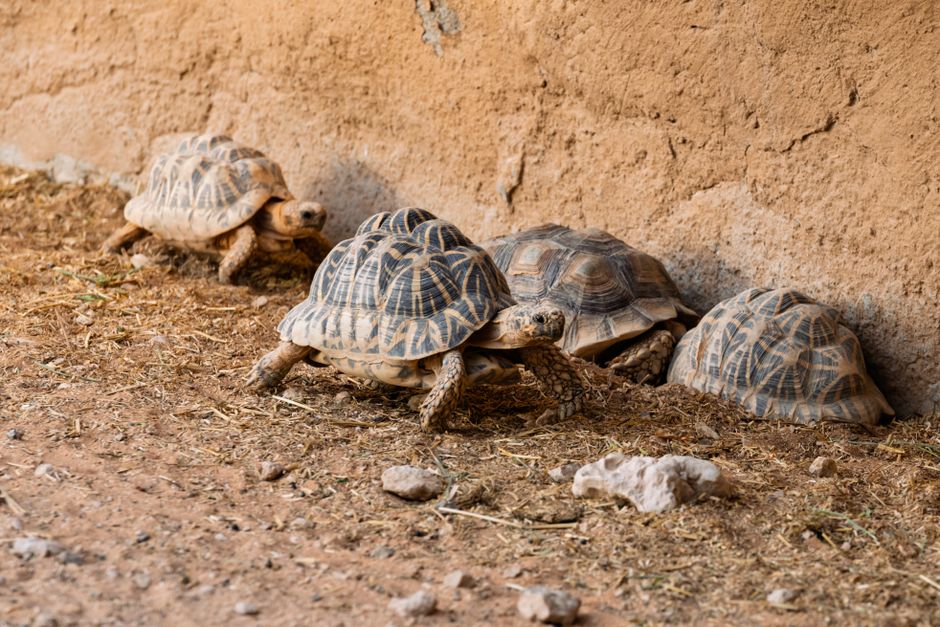
Tortoise Costs: Complete Guide to Ownership Expenses
Bringing a shelled companion into your home is an exciting decision, but understanding total tortoise costs before making a purchase is essential. Tortoise costs typically range from several hundred dollars for initial setup and supplies to steady monthly expenses for food, substrate, and electricity over a lifespan that can span multiple decades. Knowing these financial responsibilities in advance ensures you give your new pet a healthy, thriving environment without unpleasant surprises.
How Much Does a Tortoise Cost to Buy?
The upfront price to purchase a tortoise usually ranges from fifty dollars to several hundred dollars, depending entirely on the species, age, and breeder. Common starter species such as Russian tortoises or Greek tortoises tend to sit on the more affordable end of the spectrum, while rarer or captive-bred tropical species often command higher prices from reputable breeders.
Hatchlings often cost less upfront than well-started juveniles or mature adults. However, hatchlings also require more delicate environmental control, higher humidity, and closer monitoring, which can offset any initial savings. Buying an established juvenile from an ethical breeder often saves money on emergency medical bills during the first few weeks.
Adoption is another wonderful route to consider. Many reptile rescues and animal shelters have tortoises of various sizes waiting for good homes. Adoption fees are generally modest and frequently cover an initial veterinary wellness check, making rescue both budget-friendly and deeply rewarding.
What Are the Initial Setup and Enclosure Expenses?
Initial enclosure and equipment setup is almost always the largest single upfront expense when welcoming a tortoise home. You will need a spacious enclosure, specialized heating and lighting fixtures, substrate, hiding spots, and shallow feeding dishes to build a safe home from day one.
Housing and Habitat Structures
Glass aquariums are rarely suitable for tortoises because high walls restrict airflow and clear glass causes confusion and stress. Instead, most keepers invest in open-top wooden tortoise tables, large plastic stock tanks, or custom outdoor pens. As tortoises grow, their space requirements expand dramatically, meaning an adult will need a significantly larger enclosure than a juvenile.
Heating, Lighting, and Monitoring
Reptiles rely on external heat and ultraviolet light to digest food and process dietary calcium. High-quality UVB bulbs, basking heat lamps, digital thermometers, and reliable thermostat controllers form the core of your heating and lighting setup. Thermostats are vital because they prevent dangerous temperature spikes and save electricity by turning heat elements off when the target warmth is reached.
Essential initial supplies include:
- A properly sized tortoise table, heavy-duty tub, or outdoor run materials
- High-output UVB lighting fixtures and replacement tubes
- Ceramic heat emitters or basking bulbs with ceramic sockets
- Digital thermometer and hygrometer probes to check ambient conditions
- Safe substrate such as cypress mulch, coco coir, or topsoil mixes
- Shallow water and food dishes, hides, and calcium supplements
Just like assembling a reptile calming kit for new arrivals or vet visits, gathering every piece of habitat hardware before your tortoise arrives avoids panic purchases and dangerous delays.
What Are Ongoing Monthly Tortoise Costs?
Ongoing monthly tortoise costs generally run between twenty and sixty dollars for routine food, substrate changes, and supplemental vitamins. The exact monthly figure depends primarily on the size of your tortoise and your local grocery or gardening resources.
Diet makes up the bulk of routine spending. Most pet tortoises thrive on a diet rich in fresh leafy greens, safe weeds, grasses, and occasional commercial tortoise pellets. During warm spring and summer months, keepers with untreated, pesticide-free yards can forage dandelions, clover, and plantain leaves for free, which significantly lowers your grocery bill. During colder months, you will rely more on store-bought greens like endive, escarole, collard greens, and turnip tops.
Substrate needs regular spot-cleaning every day and a complete change-out every few months. Buying bedding materials like coconut coir or organic topsoil in bulk from garden centers rather than boutique pet stores keeps ongoing maintenance affordable. You will also need to budget for plain calcium powder and reptile multivitamins, though a single container usually lasts many months.
How Much Do Electricity and Bulb Replacements Cost?
Powering heating elements and replacing specialty ultraviolet bulbs typically adds fifteen to thirty dollars per month to your overall care expenses. Heat lamps and ceramic elements run on daily timers, drawing steady power for twelve to fourteen hours every single day.
UVB light tubes degrade over time even if they still emit visible light. Most manufacturers recommend replacing linear UVB bulbs every six to twelve months to guarantee your tortoise receives the correct ultraviolet radiation needed to prevent metabolic bone disease. Factoring two new UVB bulbs into your annual budget is a necessary cost of responsible ownership.
Outdoor keeping during mild weather can provide natural sunlight and free heat, reducing your electric bill substantially. However, safe outdoor housing still demands secure predator proofing, shaded retreats, and escape-proof perimeter fencing, which carries its own initial construction investment.
What Should You Budget for Tortoise Vet Bills?
Routine veterinary care for a tortoise usually costs between seventy and one hundred fifty dollars for an annual checkup, with emergency care costing several hundred dollars or more. Because tortoises are exotic animals, standard small-animal veterinarians often lack the training and tools needed to treat them properly.
Finding a qualified exotic-animal veterinarian before an emergency happens is one of the smartest steps you can take. Early health checks catch respiratory issues, internal parasites, and shell irregularities before they turn into severe, expensive medical crises. You should also consider putting away a small monthly emergency fund or securing an exotic pet insurance policy to absorb sudden veterinary expenses.
A critical welfare note for any prospective owner is to thoroughly research your chosen species' full adult size and specific dietary requirements before bringing one home. Large species like sulcata tortoises demand massive heated sheds and heavy yard space as adults, creating long-term costs that far exceed those of smaller Mediterranean or arid species.
Final Thoughts
Planning for total tortoise costs ensures you can provide a safe, enriched habitat throughout every stage of your pet's exceptionally long life. With proper preparation, practical bulk shopping, and routine preventative veterinary care, managing these expenses remains entirely achievable for dedicated owners. Explore more RarePetCare guides to learn expert husbandry tips, habitat plans, and nutrition strategies for your favorite exotic animals.
Frequently Asked Questions
Are tortoises expensive to keep compared to other pets?
Tortoises are generally less expensive to feed than dogs or cats, but their specialized lighting, heating, and exotic vet care create higher initial setup costs.
How often do you have to replace UVB bulbs for a tortoise?
Most linear UVB bulbs need replacement every six to twelve months because the ultraviolet output declines over time even when the bulb still lights up.
Can you reduce tortoise food costs by foraging?
Yes, gathering pesticide-free weeds such as dandelions, clover, and sow thistle from safe outdoor areas significantly reduces your monthly fresh food budget.
Does pet insurance cover tortoises?
Certain specialized exotic pet insurance providers offer coverage for tortoises, helping offset the cost of unexpected veterinary illnesses and emergency diagnostics.
Explore More Reptiles Guides
 🦎Reptiles
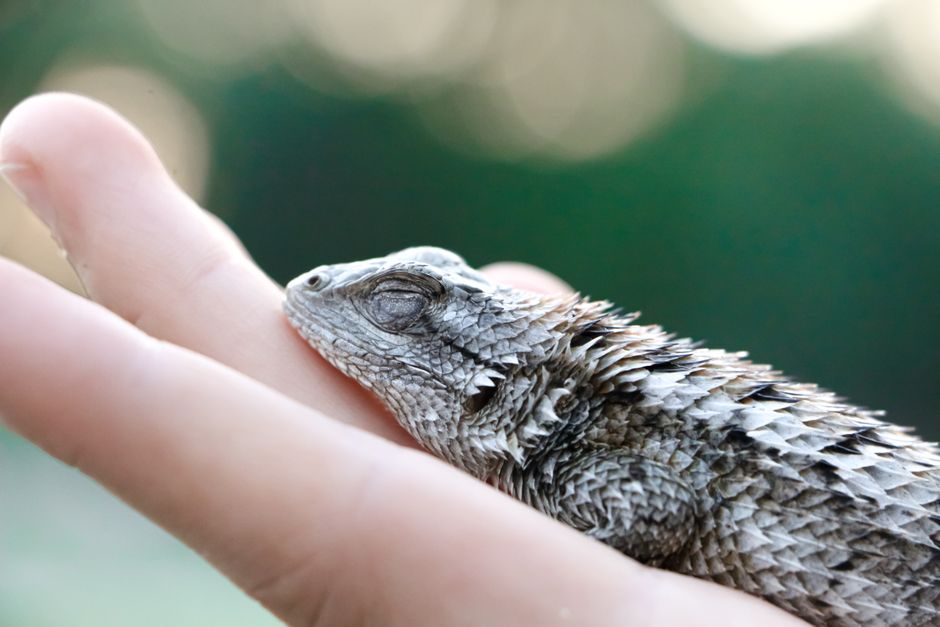
Reptile Calming Kit Guide: Signs, Uses, and Care
Discover how a reptile calming kit works, key signs of stress in pet reptiles, and practical tips to keep your scaled companion feeling safe.
 🦎Reptiles
Can Rattlesnakes Swim? Backyard Pool Safety Guide
Rattlesnakes are surprisingly agile swimmers. Discover why they end up in backyard pools and how to handle an encounter safely.
 🦎Reptiles
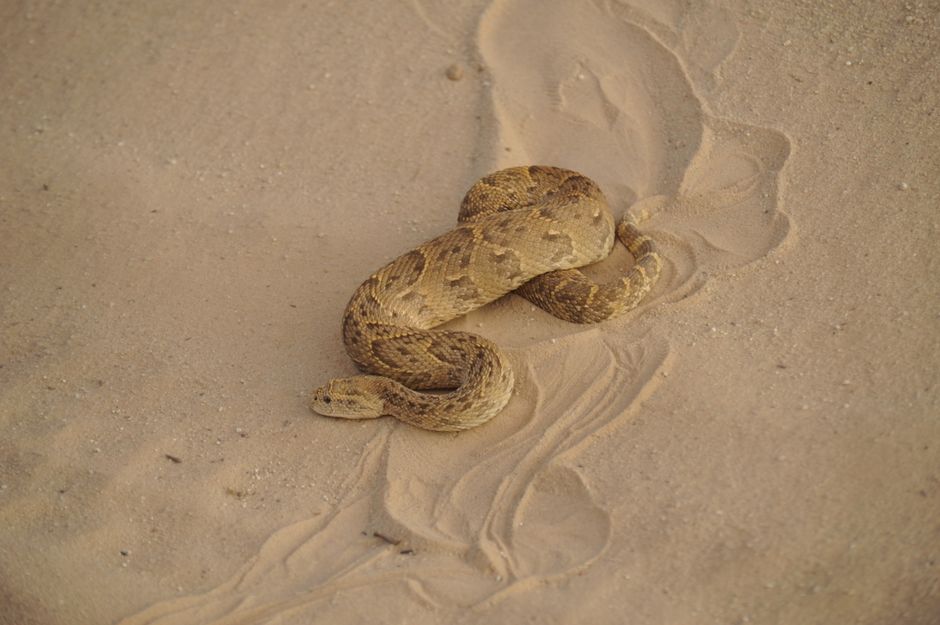
Largest Living Death Adder: Meet Record-Breaking Shazza
Meet Shazza, the record-breaking death adder measuring an astonishing 110 cm at the Australian Reptile Park.