Reptile Calming Kit Guide: Signs, Uses, and Care
Watching a pet reptile pace back and forth against the glass can be heartbreaking for any keeper. A reptile calming kit is a specialized collection of soothing aids designed to support emotional well-being and reduce stress in captive reptiles during travel, veterinary visits, or habitat changes. Understanding how to soothe your pet helps build trust and keeps your scaly friend healthy for years to come.
What Is a Reptile Calming Kit and How Does It Work?
A reptile calming kit is a set of supportive tools designed to ease anxiety in pet reptiles by creating a secure, low-stimulation environment. These kits combine dark hideaways, gentle transport carriers, scent-neutralizing substrates, and familiar physical textures that help lower a reptile's heart rate and defensive posturing.
Pet industry trade events recently highlighted these kits for their focus on reptile emotional well-being. Historically, reptile supplies focused almost entirely on physical survival, such as heat bulbs, UVB tubes, and vitamin powders. While those items are vital, emotional wellness is now recognized as an essential piece of everyday reptile care. When an animal feels constantly threatened, its immune system weakens, leading to poor digestion, lethargy, and recurrent illness.
Calming kits work by reducing sensory overload. Reptiles rely heavily on their senses to detect predators. Loud sounds, strange smells, and sudden movements can trigger an immediate fight, flight, or freeze response. By limiting visual triggers and providing tight, secure spaces where a reptile can press its body against comfortable walls, these kits recreate the safety of a natural underground burrow.
What Are the Most Common Stressed Reptile Signs?
Common stressed reptile signs include glass surfing, sudden aggression, prolonged hiding, loss of appetite, and dull skin coloration. Recognizing these changes early allows pet parents to fix environmental problems before the animal develops secondary health conditions.
Reptiles cannot vocalize their feelings like dogs or cats, so their body language tells the whole story. For instance, a bearded dragon might turn its beard jet black and pancake its body flat against a branch. A ball python might ball up tightly with its head hidden completely inside its coils. Geckos may drop their tails or repeatedly rub their snouts against cage mesh.
It is also worth noting that natural life stages can look like stress if you do not know what to look for. Seasonal changes can cause a reptile to slow down and hide, which pet parents often mistake for stress when observing bearded dragon brumation signs during winter months. Stress can also interfere with basic physical functions like shedding. When a lizard or snake is anxious, dehydration and improper humidity often follow, leading to problems that require a leopard gecko stuck shed safe removal guide to resolve safely.
Behavioral Changes Pet Parents Should Watch
Keep a close eye on your pet's daily routine. Small shifts in posture or appetite often point to rising tension in their habitat.
- Glass surfing, which looks like frantic scratching or climbing against the clear terrarium walls.
- Unusual defensiveness, including loud hissing, gaping mouths, tail whipping, or sudden striking.
- Refusing favorite foods or staple feeder insects for multiple feeding sessions in a row.
- Remaining concealed in a single hide box for days without coming out to bask.
When Should Pet Parents Use a Calming Aid for Reptiles?
Pet parents should use a calming aid for reptiles during high-stress events like rehoming, long travel journeys, veterinary checkups, or deep cage cleanings. These transitions disrupt the pet's established territory and can cause severe disorientation.
Moving day is one of the most intense experiences for any captive reptile. Taking an animal out of its temperature-regulated enclosure and placing it into a moving vehicle exposes it to engine vibrations, temperature swings, and unfamiliar sounds. Using a calming carrier or travel aid lined with secure padding helps muffle sounds and stops the animal from sliding around.
Veterinary visits also benefit from calming tools. Strange hands, unfamiliar animal scents from nearby dogs or cats, and physical restraint can frighten even the calmest lizard or snake. Preparing a travel tub with familiar bedding and complete visual cover keeps stress levels manageable during the waiting room visit. Remember to consult an exotic-animal veterinarian if your reptile shows ongoing signs of distress without an obvious external cause.
How Can You Create a Calming Environment for Your Reptile at Home?
You can create a calming environment by checking thermal gradients, reducing foot traffic around the vivarium, and providing multiple snug hiding spots. Proper husbandry is the foundation of any long-term stress management plan for exotic pets.
Always research a species' full adult needs before bringing them home, as undersized enclosures are a leading cause of chronic anxiety. If a reptile feels exposed to people walking past all day, it will remain in a state of high alert. Simply covering the back and sides of a glass terrarium with dark paper or natural cork tile can instantly make a nervous reptile feel secure.
Lighting schedules also play an important role. Reptiles require predictable day and night cycles to regulate their hormones and internal clocks. Inconsistent lighting can disrupt their sleep patterns, leading to erratic feeding habits and defensive behavior.
Environmental Tweaks That Reduce Reptile Stress
Making a few simple adjustments to your vivarium setup can dramatically improve your pet's comfort level.
- Place at least two snug hides in the enclosure, one on the warm basking side and one on the cool side.
- Cover three sides of glass vivariums with backgrounds to eliminate reflections and block outside movement.
- Set heat and lighting fixtures on reliable digital timers to create a consistent daily rhythm.
- Add fake foliage, cork bark tubes, and branches to give your pet plenty of physical cover while moving around.
Final Thoughts
Using a reptile calming kit can make unexpected moves and vet visits far easier on your scaled companion. When you pair gentle handling habits with proper enclosure design, you give your pet the best foundation for a calm life. Explore our other RarePetCare guides to learn more about keeping your exotic companions happy and healthy.
Frequently Asked Questions
Can you calm down a stressed reptile quickly?
The fastest way to calm a stressed reptile is to place it into a dark, quiet, warm space with minimal handling until its body language softens.
What causes sudden stress in captive reptiles?
Sudden stress is usually caused by rapid temperature drops, loud household noises, unfamiliar smells, or seeing other pets through the enclosure glass.
Do reptiles like being held when they are anxious?
No, reptiles generally view handling as a threat when they are anxious, so giving them space to hide is safer than holding them.
How long does it take for a reptile to settle into a new home?
Most reptiles need anywhere from one to two weeks of quiet adjustment without handling before they feel secure in a new habitat.
Explore More Reptiles Guides
 🦎Reptiles
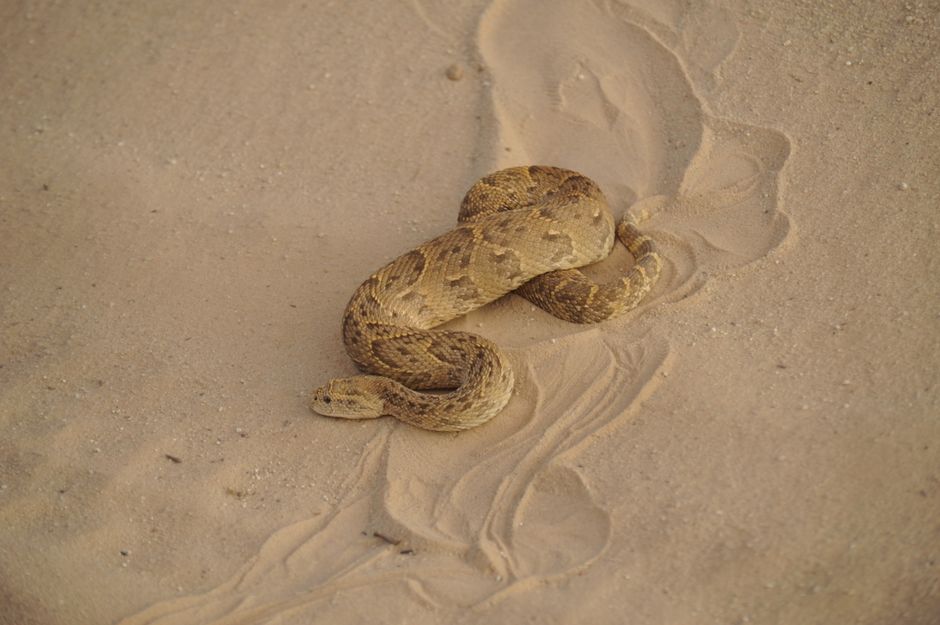
Can Rattlesnakes Swim? Backyard Pool Safety Guide
Rattlesnakes are surprisingly agile swimmers. Discover why they end up in backyard pools and how to handle an encounter safely.
 🦎Reptiles
Largest Living Death Adder: Meet Record-Breaking Shazza
Meet Shazza, the record-breaking death adder measuring an astonishing 110 cm at the Australian Reptile Park.
 🦎Reptiles
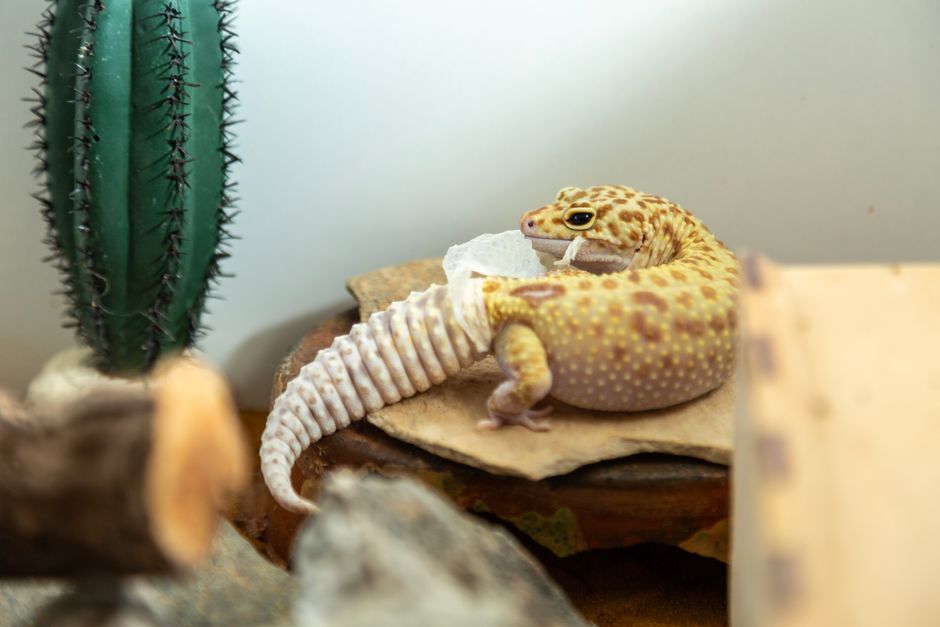
Leopard Gecko Stuck Shed: Safe Removal Guide
Learn how to spot, safely remove, and prevent leopard gecko stuck shed before it damages delicate toes, eyes, and tail tips.