Is the Key Ring-Necked Snake Endangered? What to Know
If you have heard recent news about small reptiles in Florida, you might wonder why the Key ring-necked snake is making headlines. This tiny, harmless reptile was recently listed as an endangered species alongside the rim rock crowned snake by the U.S. Fish and Wildlife Service. Understanding why these wild snakes need protection helps us better care for native species and keep wild populations safe.
Are Key Ring-Necked Snakes Venomous or Dangerous?
No, Key ring-necked snakes are completely non-venomous and pose no danger to humans or pets. These tiny reptiles are exceptionally gentle creatures that rely on secretive habits rather than aggression to survive in the wild. Because they are so small and quiet, many people never realize they are sharing space with them in local ecosystems.
How to Identify Key Ring-Necked Snakes
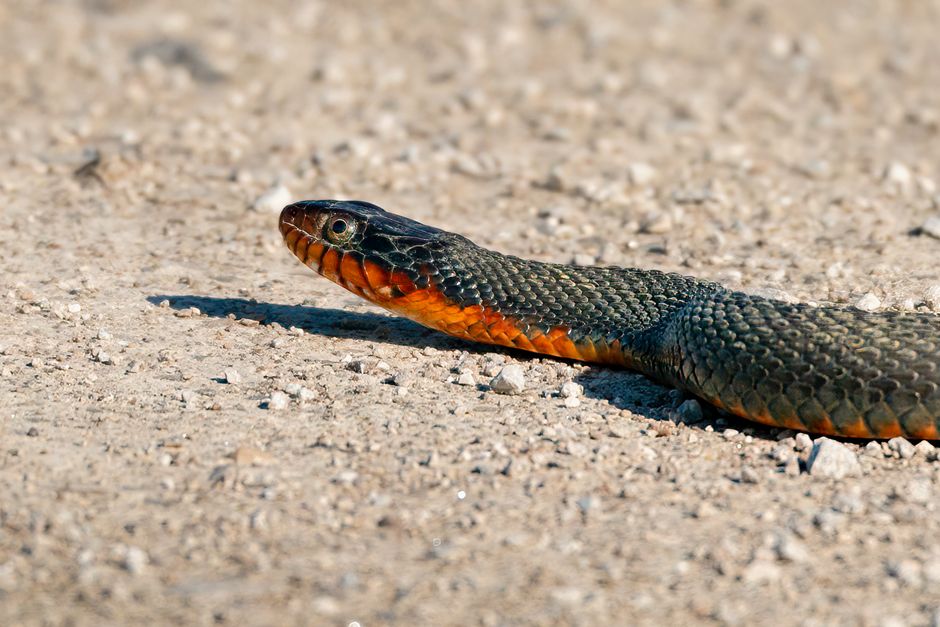
Recognizing these delicate reptiles comes down to a few distinct physical traits. They feature a dark gray or black body with a characteristic pale band around their neck, though this ring can sometimes be faint or broken in island populations. Their underbellies usually show bright yellow or orange coloration, which they may display if they feel threatened. Because they spend most of their time hidden under limestone outcroppings, leaf litter, and moist debris, spotting one in the open is a rare event. If you ever have questions about identifying wild reptiles or caring for legal captive species, consulting an exotic-animal veterinarian or local wildlife expert is always your best option.
Why Are Key Ring-Necked Snakes Listed as Endangered?
Key ring-necked snakes are listed as endangered primarily because severe habitat destruction has eliminated much of their narrow geographical territory. These specialized snakes depend almost entirely on fragile coastal environments that have been heavily disrupted by human development and climate impacts over recent decades. Without immediate federal protections, these native populations face a real threat of total extinction.
Limestone Outcroppings and Habitat Loss
The main physical environment these snakes rely on consists of unique limestone outcroppings found in the Florida Keys and surrounding areas. These rock formations provide essential microhabitats, offering moisture, shelter, and access to small prey like worms and tiny invertebrates. When land is cleared for building roads or residential housing, these rock formations are often crushed or paved over. Rising sea levels and severe storm surges also flood these low-lying areas with saltwater, making the soil and limestone uninhabitable for delicate species. As these natural spaces shrink, remaining snake populations become isolated from one another, which reduces genetic diversity and makes recovery even harder.
Can You Keep a Key Ring-Necked Snake as a Pet?
No, you cannot keep a Key ring-necked snake as a pet because federal law strictly prohibits capturing or holding endangered native species. Removing these protected animals from the wild harms ongoing conservation efforts and carries heavy legal penalties. Reptile lovers who want to care for non-venomous snakes at home should always choose captive-bred species from reputable breeders instead of taking animals from nature.
Before bringing any new pet into your home, it is vital to research a species' full adult needs to ensure you can provide a healthy environment. Wild-caught animals rarely adjust well to life in an enclosure, and attempting to keep a wild snake often results in severe stress, refusal to eat, and eventual illness. If you enjoy learning about unique reptiles, supporting habitat restoration programs and visiting licensed educational centers are great ways to appreciate endangered snakes without disrupting wild ecosystems.
What Should You Do If You Find a Key Ring-Necked Snake in Florida?
If you spot a Key ring-necked snake in the wild, the best action is to leave it completely undisturbed and observe it from a safe distance. Never try to capture, pick up, or relocate the snake yourself, as handling can cause serious stress or physical injury to such a small creature. Taking a quick photograph from a few feet away allows you to document the sighting without causing harm.
You can report your sighting to local wildlife agencies, which help researchers track surviving populations across the region. Keeping domestic pets on leashes while outdoors also helps protect tiny native wildlife from accidental attacks.
Final Thoughts
The federal endangered listing for the Key ring-necked snake highlights how important it is to protect vulnerable native wildlife and fragile habitats. By respecting protected species in nature and choosing responsibly raised captive animals for our homes, we help preserve delicate ecosystems for years to come. Staying informed about local conservation efforts allows every reptile parent to play a meaningful role in protecting our natural world.
Frequently Asked Questions
How big do Key ring-necked snakes get?
Key ring-necked snakes are very small reptiles that typically reach only six to ten inches in length as full adults.
Where are Key ring-necked snakes found in nature?
These native snakes are found exclusively in southern Florida and the Florida Keys, where they hide among limestone outcroppings and moist plant cover.
What do Key ring-necked snakes eat?
In the wild, these small non-venomous snakes feed primarily on earthworms, small insects, and tiny slugs found under rocks and soil.
Are rim rock crowned snakes endangered too?
Yes, the rim rock crowned snake was listed as endangered by the U.S. Fish and Wildlife Service alongside the Key ring-necked snake due to shared habitat loss.
Explore More Reptiles Guides
 🦎Reptiles
Marine Iguana: The Ocean-Feeding Lizard
Meet the marine iguana, the only lizard on Earth that dives into cold ocean waters to graze on underwater algae.
 🦎Reptiles
Hawksbill Sea Turtle Endangerment: What Happened
Learn the primary causes of hawksbill sea turtle endangerment, the history of the tortoiseshell trade, and how to protect them today.
 🦎Reptiles
Longest Wild Snake Ever Found: A Record Python
A record-setting giant reticulated python discovered in Indonesia reveals how large wild snakes can grow in undisturbed rainforests.