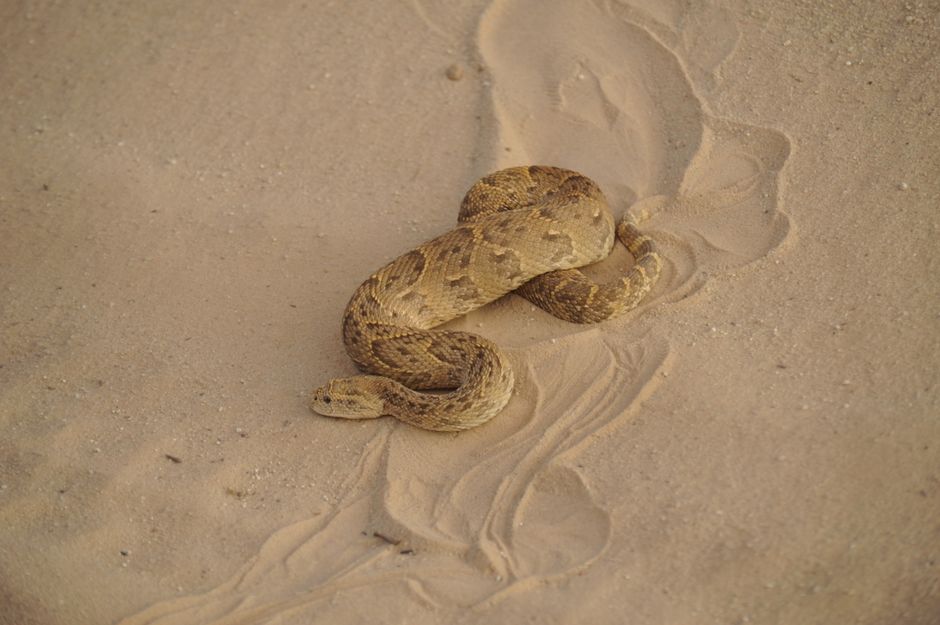
Largest Living Death Adder: Meet Record-Breaking Shazza
Reptile lovers around the world are captivated by extreme records in nature. The largest living death adder is a female specimen nicknamed Shazza who lives at the Australian Reptile Park. Measuring an incredible 110 centimeters in total length, she is roughly twice the typical size of her wild counterparts, making her an extraordinary example of Australian elapid growth.
For anyone passionate about exotic serpents, seeing a snake double its normal adult length is fascinating. Death adders belong to the genus Acanthophis and are famous for their stocky bodies, triangular heads, and rapid strike speed. While most people picture giant pythons when they think of huge reptiles, discovering a venomous ambush predator of this scale completely changes how keepers look at the species.
How Big Do Death Adders Normally Get?
Normal adult death adders typically measure about 42 centimeters for males and roughly 55 centimeters for females. Females grow noticeably longer and heavier than males because carrying eggs or live young requires extra body volume. Even the largest wild individuals rarely reach beyond 70 to 80 centimeters.
Because death adders are ambush hunters, extra length is not always an advantage in the wild. They stay hidden beneath leaf litter, twitching the tip of their tail to mimic a worm or caterpillar. A compact body allows them to conceal themselves quickly beneath dry leaves, loose bark, or fine sand. When a snake becomes unusually large, hiding in shallow ground cover becomes much harder.
Shazza stands out because her 110-centimeter body shatters those typical wild averages. At more than one meter in length, she is exceptionally long and heavy for an elapid with this specific body shape. In comparison to active hunters that grow long and slender, adders keep a heavy, thick build all the way down their spine, which gives a giant specimen serious mass.
Why Did This Australian Reptile Park Death Adder Grow So Big?
The largest living death adder grew to her record size primarily due to consistent nutrition, ideal ambient temperatures, and genetics that favor exceptional growth. In controlled zoological care, reptiles face zero predator pressure, seasonal food shortages, or harsh weather swings that often limit wild growth rates.
Wild adders must spend weeks or months waiting for a meal to walk past their ambush site. If prey is scarce, their growth slows down. In a professional facility, animal care teams provide balanced, properly sized meals on a reliable schedule. This steady supply of energy allows a healthy reptile to reach its full genetic potential without the stress of surviving dry spells or cold snaps.
The Role of Sex and Genetics in Snake Growth
Female reptiles in many species outgrow their male counterparts, a trait known as sexual size dimorphism. While males put significant metabolic energy into roaming and searching for mates, females put their resources into physical growth and egg or embryo development.
Genetics also set the ceiling for any individual animal. Just like humans, some individual snakes carry genes that allow for longer skeletal frames. When you pair exceptional genetics with expert husbandry, clean water, and parasite-free housing, you occasionally get an animal that breaks every standard field guide measurement.
How Does Death Adder Size Compare to Other Ambush Vipers?
Death adders look and behave remarkably like true vipers, even though they belong to the elapid family alongside cobras and mambas. Their wide heads, stocky torsos, and ambush hunting styles represent one of nature's best examples of convergent evolution. When compared to pit vipers of similar lifestyle, death adders are usually much shorter and wider.
For instance, wild pit vipers often span several feet while maintaining a thick trunk. You can read about how other ambush predators adapt to their environments in our guide to cottonmouth snake habitat and behavior. Unlike pit vipers that rely on heat-sensing pits beneath their eyes, death adders rely on keen vision, ground vibrations, and their unique caudal lure to ambush prey.
Here is what makes death adder hunting unique among ambush species:
- They bury their entire body under forest debris, leaving only their eyes, snout, and tail tip exposed.
- They hold their bodies in a tight coil to launch lightning-fast strikes from a stationary position.
- Their strike is considered one of the fastest in the reptile world, often completed in a fraction of a second.
- They do not track prey over long distances, relying entirely on camouflage to bring food within striking range.
Can Private Keepers Legally or Safely House Death Adders?
Death adders produce highly toxic neurotoxic venom, so private ownership is strictly limited to experienced, licensed venomous keepers in jurisdictions where it is legal. They are not suitable for beginners or intermediate hobbyists under any circumstances. Handling or maintaining an elapid requires formal training, lockable secure enclosures, and dedicated safety equipment like snake hooks and shift boxes.
Before ever considering a dangerously venomous reptile, keepers must research their state and local wildlife regulations. In Australia and many other regions, keeping an Acanthophis species demands high-tier venomous reptile permits, proof of mentorship, and a documented emergency bite plan. Anyone working with venomous species must maintain contact with medical facilities that stock appropriate antivenom.
From an ethical and welfare standpoint, keepers must commit to providing large, enriched enclosures with deep leaf litter, stable thermal gradients, and minimal stress. Proper reptile welfare means understanding an animal's full adult requirements before bringing it home. Mistakes with hot species can lead to catastrophic consequences for both the keeper and the reputation of the reptile hobby.
Essential Housing Considerations for Captive Adders
In secure professional settings, venomous elapids require specialized husbandry protocols to keep both the animals and the staff safe:
- Escape-proof enclosures with mechanical key locks and sealed ventilation screens to prevent accidental escapes.
- Deep natural substrates like cypress mulch or dried eucalyptus leaves so the snake can perform its natural burrowing behavior.
- Clear barrier walls or shift boxes so caretakers can isolate the snake safely before spot cleaning or changing water bowls.
- Strict feeding protocols using long tongs to avoid accidental feeding responses near open enclosure doors.
What Does Record Snake Growth Teach Us About Reptile Husbandry?
Studying record-breaking animals like this extraordinary death adder teaches herpetologists how environmental stability impacts reptile physiology. In the wild, animals spend tremendous amounts of energy searching for cover, fighting parasites, and surviving seasonal extremes. Captivity removes those limiting factors, revealing how large an animal can become under optimal conditions.
At the same time, responsible keepers must be careful not to confuse healthy growth with power-feeding. Feeding a captive snake too much food too quickly strains internal organs and shortens the animal's natural lifespan. True record holders grow steadily over many years through balanced nutrition, high-quality lighting, clean environments, and skilled management rather than excessive feeding.
Observing Shazza also helps venom milking programs at zoological centers. Larger snakes have larger venom glands, allowing facilities like the Australian Reptile Park to collect valuable venom for producing life-saving antivenom. Her presence not only thrills visitors but also plays a direct role in saving human lives across Australia.
Final Thoughts
Learning about the largest living death adder highlights just how surprising Australian reptiles can be when given ideal conditions. Shazza proves that while nature sets general rules for wild sizes, individual animals can still shatter expectations. Explore our other guides on RarePetCare to discover fascinating facts, expert husbandry advice, and practical care tips for rare pets of all shapes and sizes.
Frequently Asked Questions
What is the average size of an adult death adder?
Adult male death adders typically measure about 42 centimeters, while adult females average around 55 centimeters in total length.
Are death adders venomous to humans?
Yes, death adders possess highly potent neurotoxic venom that can cause severe paralysis or fatality without prompt antivenom treatment.
Where does the largest recorded living death adder reside?
The record-holding death adder, named Shazza, lives under professional care at the Australian Reptile Park in New South Wales.
Why do female death adders grow larger than males?
Females grow longer and heavier to accommodate reproductive mass, as larger body sizes allow them to produce and carry healthy offspring.
Explore More Reptiles Guides
 🦎Reptiles
Leopard Gecko Stuck Shed: Safe Removal Guide
Learn how to spot, safely remove, and prevent leopard gecko stuck shed before it damages delicate toes, eyes, and tail tips.
 🦎Reptiles
Cottonmouth Snake Habitat: Why They Leave Swamps
New Florida survey data reveals cottonmouth snakes are moving away from traditional swamps into drier upland terrain.
 🦎Reptiles
Bearded Dragon Brumation Signs: What to Look For
Learn the most common bearded dragon brumation signs and how to tell normal winter rest from an underlying illness.