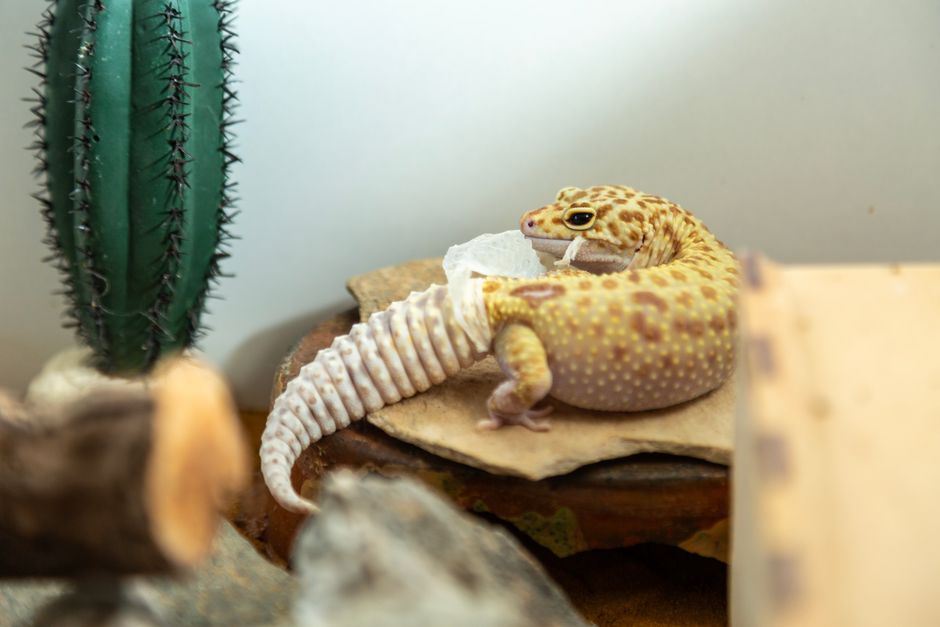
Leopard Gecko Stuck Shed: Safe Removal Guide
Few things worry a reptile parent more than seeing patches of dry, flaky skin clinging to a pet after a molt. Leopard gecko stuck shed happens when your lizard cannot pull away its old outer skin layer, leaving tight rings around tiny toes, tail tips, or eyes. When left untreated, dry bands of retained skin can cut off blood flow and cause permanent injury, but gentle care at home usually solves the problem quickly.
Healthy geckos shed regularly as they grow, often eating the discarded skin to recycle valuable nutrients. When your lizard struggles through this natural cycle, taking calm and methodical action keeps your pet comfortable and prevents long-term health complications.
Why Does a Leopard Gecko Get Stuck Shed?
A leopard gecko develops stuck shed primarily because its enclosure lacks adequate moisture, its dedicated humid hide has dried out, or it suffers from nutritional deficiencies such as low vitamin A. Environmental dehydration leaves the shedding layer brittle and glued to the fresh skin underneath instead of sliding off cleanly.
Shedding difficulties, known medically as dysecdysis, rarely happen without a clear environmental trigger. While leopard geckos are arid-zone reptiles from dry rocky grasslands, they rely on microclimates with concentrated moisture to shed properly. In the wild, they seek out deep underground burrows that trap damp air against the soil. If their captive enclosure is uniformly dry, their outer skin dries out too fast during the peeling stage.
Internal health plays a major role as well. A gecko that is fighting an infection, carrying internal parasites, or recovering from injury may lack the energy to rub off its old skin. General dehydration from a dry or dirty water dish also thickens the lubricating fluid that normally separates the old skin from the new epidermis. Always make sure your gecko has access to fresh, clean drinking water every day.
Common Problem Spots to Inspect
You should inspect your gecko from nose to tail after every molt. Certain areas of the body trap dry skin far more frequently than smooth surfaces like the back or belly.
- Toes and claws: Tiny toe digits are the most vulnerable area, where unshed skin shrinks like a rubber band and stops circulation.
- Tail tip: The very end of the tail is thin, delicate, and prone to constriction if shed fails to slip off.
- Eye caps: Skin over the eyelids can stick, preventing your gecko from opening its eyes fully or hunting food.
- Vent and nostril rims: Residual skin around facial openings or the cloaca can cause irritation and block natural waste elimination.
How to Remove Leopard Gecko Stuck Shed Safely
The safest way to remove leopard gecko stuck shed is to place your lizard in a shallow lukewarm water bath or a damp paper towel sauna for ten to fifteen minutes, then gently slide the softened skin free with a wet cotton swab. You must never pull or yank dry skin off your lizard, because doing so tears the delicate living scales underneath.
Start by preparing a small plastic container with ventilation holes. Line the bottom with clean paper towels soaked in lukewarm water. The water temperature should feel neutral to your inner wrist, neither cold nor noticeably warm. Place your gecko inside the container, secure the lid, and let the reptile sit quietly for ten to fifteen minutes. The enclosed humidity softens hardened skin without causing stress.
Once the sauna session finishes, place your gecko on a clean towel on your lap or inside its enclosure. Take a damp cotton swab and gently roll it forward across the retained skin. Work in the direction of the scales, moving toward the tip of the toe or tail. With light pressure, the softened skin will typically roll right off onto the swab.
For stubborn pieces on tiny toes, patience is vital. If a piece refuses to budge after two gentle attempts, return your gecko to its enclosure and try again the next day. Forcing the issue risks dislocating a tiny toe joint or tearing raw tissue. As a responsible welfare measure, always consult an exotic-animal veterinarian if any retained shed causes visible swelling, dark discoloration, or raw patches on your pet's feet.
What Tools Should You Never Use to Remove Shed?
You should never use sharp metal tweezers, needles, clippers, or dry fingernails to pull stuck shed off a leopard gecko. Sharp metal instruments can puncture thin reptile skin, trigger painful infections, or accidentally sever fragile toe bones when your pet suddenly flinches.
Keepers are often tempted to grab fine tweezers when they see a tiny ring of dry skin around a toe. This is one of the most common mistakes in reptile care. Geckos are prey animals, and their instinct is to yank their foot backward the moment they feel tension. If you are holding metal tweezers tightly against the skin, that sudden jerk can rip the toe or tear off a claw permanently.
Similarly, avoid using chemical shedding aids or human oils like olive oil or petroleum jelly unless specifically prescribed by a vet. Heavy oils coat the skin, clog femoral pores, and trap bacteria against warm reptile tissue. Plain warm water and steam are the safest, most effective loosening agents you can provide.
How to Prevent Leopard Gecko Stuck Shed in the Future
You can prevent leopard gecko stuck shed by keeping a dedicated humid hide filled with damp moss or paper towels inside the tank at all times, along with providing balanced vitamin supplementation. A proper moist hide allows your gecko to self-regulate its hydration and complete molts entirely on its own.
Place the humid hide on the warm side or in the middle of your enclosure. If placed too far on the cold end, your gecko may avoid using it because reptiles need warmth to maintain their metabolism. Check the hide substrate every two or three days. When the moss or paper towels start to dry out, mist them thoroughly with treated water so that the hiding spot remains damp to the touch.
Setting Up an Effective Moist Hide
A good humid hide does not need to be expensive or elaborate. You can use an opaque plastic food container with an entrance hole cut into the side or lid, smoothing any rough plastic edges with sandpaper or heat. Fill the base with an inch of damp sphagnum moss. Sphagnum moss holds moisture exceptionally well and naturally resists mold growth inside a warm terrarium.
Nutrition also keeps reptile skin elastic. Dust your feeder insects with a high-quality multivitamin powder that contains preformed vitamin A rather than just beta-carotene. Leopard geckos cannot convert beta-carotene into usable vitamin A efficiently, and vitamin A deficiency directly causes poor skin shedding and corneal eye issues. Keeping your feeder insects well-fed on nutritious greens ensures your pet absorbs the micronutrients it needs.
If you notice your gecko slowing down, hiding more frequently, or refusing meals during colder months, pay close attention to overall environmental patterns. Just like keepers watch for bearded dragon brumation signs in other desert species, monitoring seasonal appetite and activity shifts in your gecko helps you catch husbandry issues before a bad shed occurs.
Final Thoughts
Managing leopard gecko stuck shed comes down to gentle patience, warm water soaks, and maintaining a reliable moist hide inside the terrarium. By addressing stuck skin early and avoiding harsh tools, you protect your pet from painful toe constrictions and keep its skin vibrant. Explore our other reptile care resources on RarePetCare to discover more practical tips for keeping your scaly companions healthy and thriving.
Frequently Asked Questions
How long can stuck shed stay on a leopard gecko?
Stuck shed should be removed within twenty-four to forty-eight hours, because drying skin tightens quickly and can cut off blood supply to toes within days.
Can stuck shed cause a leopard gecko to lose a toe?
Yes, retained shed that dries around a toe forms a tight ring that restricts circulation, leading to tissue death and toe loss if not resolved.
How often do leopard geckos normally shed?
Adult leopard geckos usually shed once every four to six weeks, while rapidly growing juveniles can shed as often as once every two weeks.
Should I help my leopard gecko shed if it is not stuck?
No, you should never intervene if your gecko is actively shedding normally, because peeling healthy skin too early tears sensitive tissue and causes pain.
Explore More Reptiles Guides
 🦎Reptiles
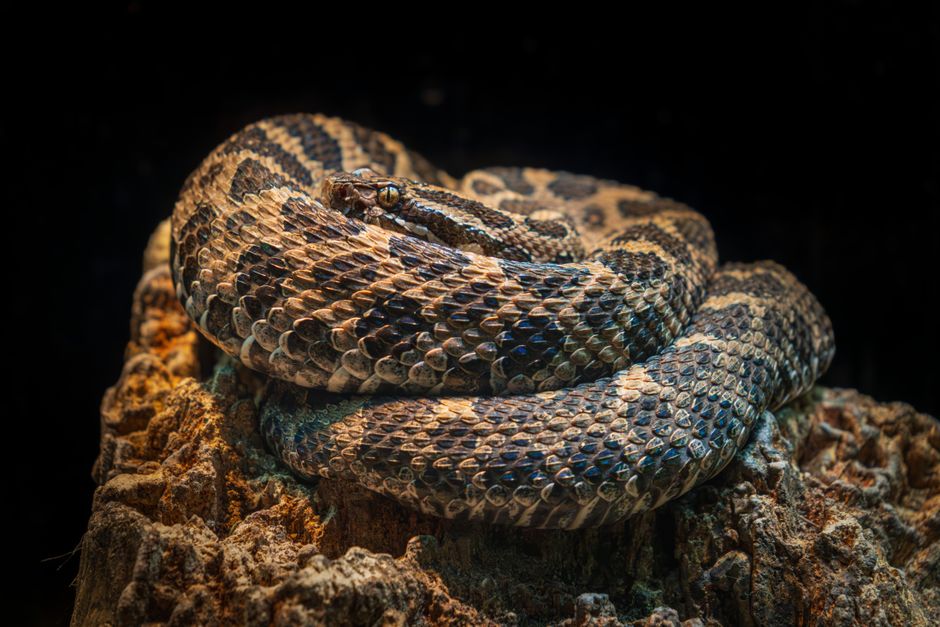
Cottonmouth Snake Habitat: Why They Leave Swamps
New Florida survey data reveals cottonmouth snakes are moving away from traditional swamps into drier upland terrain.
 🦎Reptiles
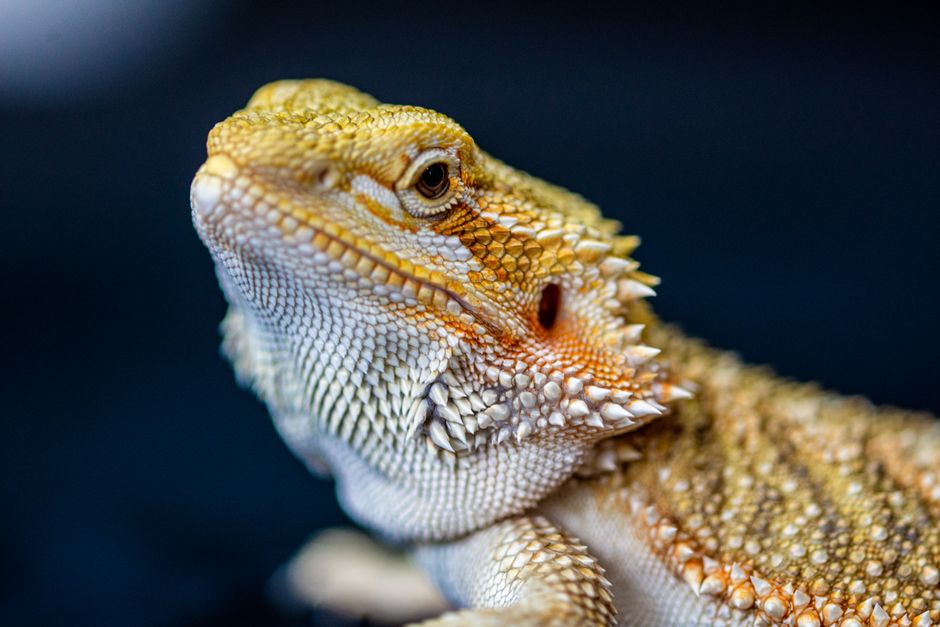
Bearded Dragon Brumation Signs: What to Look For
Learn the most common bearded dragon brumation signs and how to tell normal winter rest from an underlying illness.
 🦎Reptiles
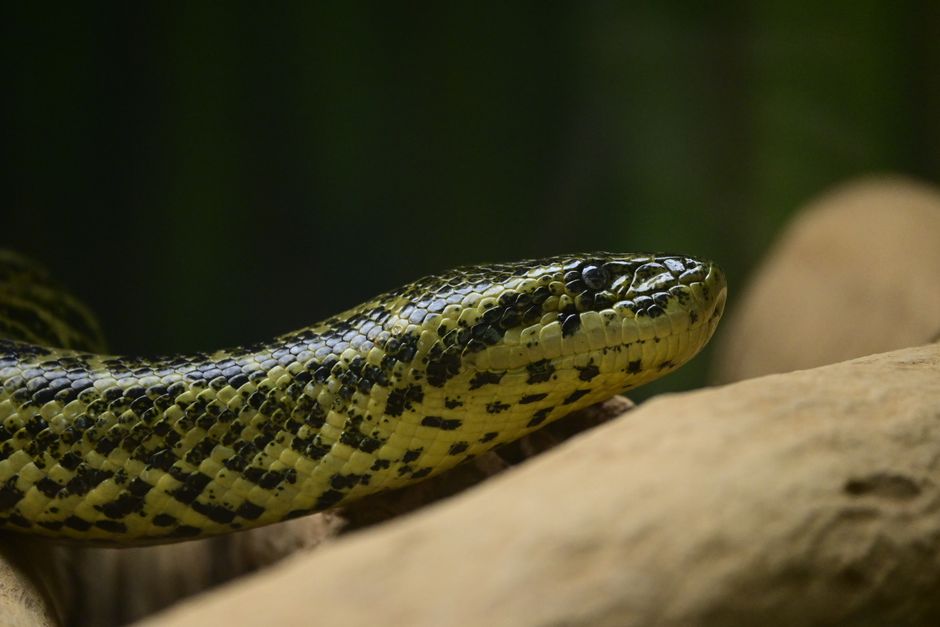
Swimming with Green Anacondas: What Science Shows
Discover what really happens during face-to-face underwater encounters with massive green anacondas in the wild.