Longest Wild Snake Ever Found: A Record Python
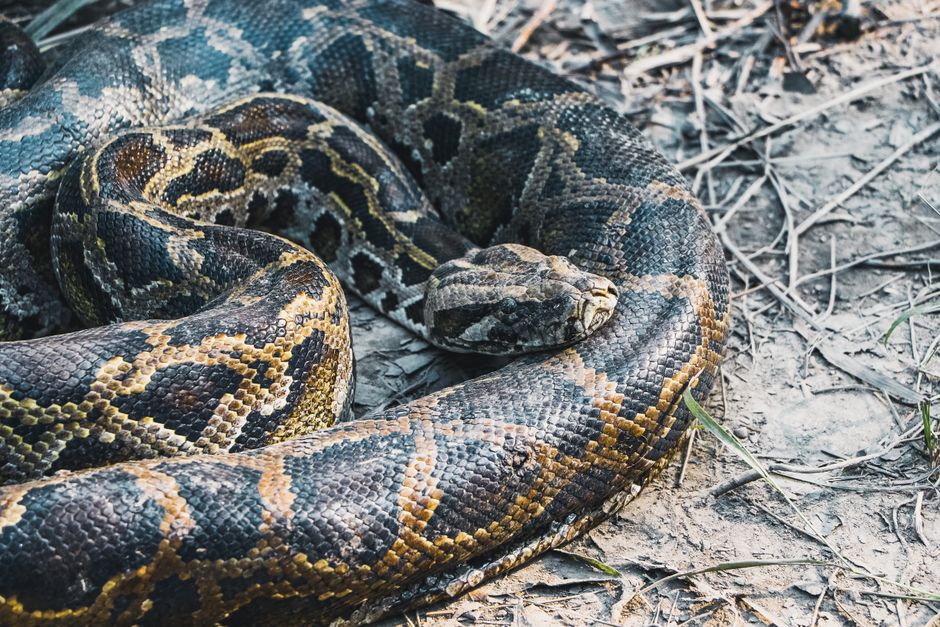
Field researchers and wildlife lovers were stunned by recent reports from deep within Indonesia. The discovery of the longest wild snake ever found, a massive female reticulated python, changes what biologists know about reptile limits. The longest wild snake ever found is an extraordinary female reticulated python documented in Indonesia, showing that remote tropical forests still sustain true giants that push biological boundaries.
For reptile enthusiasts, news like this is both thrilling and humbling. It proves that despite centuries of human exploration, nature still holds major surprises. Let us look closely at how this giant was found, why wild pythons reach such sizes, and what this means for reptile care and conservation.
How was the longest wild snake ever found discovered?
The longest wild snake ever found was located by researchers and local guides tracking wildlife through dense rainforest terrain in Indonesia. Finding an animal of this size in the wild requires pure luck and patience, as giant pythons spend most of their time completely hidden under dense foliage or half-submerged in swamp water.
Field biologists were conducting regular wildlife surveys when they came across the massive serpent resting near a slow-moving riverbank. Measuring an animal of this scale in the wild is dangerous and physically demanding. It requires a coordinated team working gently to avoid injuring the snake while keeping everyone safe from powerful strikes or constriction coils.
Once the team recorded the official measurements and checked the snake for general health, they allowed her to return undisturbed into the forest canopy. Encounters like this are rare because wild pythons actively avoid people. Most giant individuals live out their lives completely unseen in the deepest parts of the jungle.
How big can a giant reticulated python get in the wild?
A wild reticulated python can easily reach lengths over sixteen feet, with rare females exceeding twenty feet under ideal environmental conditions. These snakes are recognized by science as the longest living snake species on the planet, possessing a long, muscular build that allows them to climb trees and swim through rivers despite their massive size.
In captivity, keepers rarely see snakes approach true record wild dimensions. Captive snakes often become heavy or obese from predictable feeding schedules, but wild snakes grow longer and maintain leaner muscle mass because they are constantly moving, swimming, and hunting across large territories.
Key factors behind extreme wild growth
Reptiles have indeterminate growth, meaning they can continue to grow slowly throughout their entire lives if they stay healthy. Several environmental conditions must come together for a snake to reach record dimensions:
- Plentiful prey populations, including wild pigs, deer, and primates that offer dense calories.
- A stable, warm microclimate with year-round high humidity that aids digestion and shedding.
- Minimal contact with humans, roads, and agricultural zones that lead to premature death.
- A pristine habitat with deep water sources that support the snake's heavy body mass.
Without all four factors, a wild python rarely survives long enough to reach maximum biological size.
Why are female reticulated pythons larger than males?
Female reticulated pythons grow significantly larger than males due to sexual size dimorphism, an evolutionary trait driven entirely by reproductive needs. A larger female body allows the snake to carry dozens of large eggs and maintain the energy reserves needed to guard them for months without feeding.
Male pythons spend their energy traveling vast distances to find mates and competing with rival males in ritual combat. They remain comparatively slender and shorter because excessive bulk would slow them down during their searches through the jungle canopy. Females, on the other hand, benefit from pure mass.
The physical cost of wild motherhood
After laying a clutch of eggs, a mother python coils tightly around them. She does not leave to hunt, drink, or rest elsewhere until the eggs hatch. She actually twitches her muscles rhythmically to generate metabolic heat, keeping the clutch warm during cool forest nights.
This maternal care burns immense amounts of stored fat and muscle tissue. If a female is not large and well-fed before breeding, she may not survive the long fasting period. Extreme size is therefore an evolutionary shield that keeps both the mother and her future offspring alive.
What does this record mean for wild reptile conservation?
The survival of such a massive predator proves that certain pockets of Southeast Asian rainforest are still healthy enough to support complex, high-calorie food chains. Top predators like giant pythons require huge territories and lots of prey animals to survive, serving as a direct indicator of overall ecosystem health.
Unfortunately, these giants face severe pressures from habitat loss and human persecution. Deforestation for agriculture fragments their hunting grounds, forcing them into settled areas where they are often killed out of fear. Wild populations also face pressure from the commercial skin trade and illicit wildlife collection.
The global trade in exotic animals can cause serious harm when taken from the wild, as documented in incidents like reptile smuggling busts at international airports. Protecting wild reptiles means enforcing strict anti-poaching laws and preserving continuous corridors of natural forest where apex animals can thrive unbothered.
Can pet keepers manage a giant constrictor safely?
Private keepers can care for captive-bred reticulated pythons successfully, but doing so requires specialized equipment, dedicated rooms, and multiple experienced handlers for routine maintenance. These animals are not beginner pets, and their adult requirements are far beyond what a typical home vivarium can provide.
Before acquiring any large constricting snake, pet parents must research the species' full adult needs, local keeping laws, and secure housing requirements. A fifteen-foot snake cannot be safely handled alone during feeding or cage cleanings. Keepers must also establish a relationship with a qualified exotic-animal veterinarian who has specific experience treating giant reptiles.
Many keepers choose smaller dwarf or super-dwarf localities instead of mainland reticulated pythons. These smaller island forms carry the same beautiful patterning and intelligent personality while staying at a manageable size for average home settings. Choosing the right animal ensures a safe experience for the keeper and the best possible welfare for the reptile.
Final Thoughts
The confirmation of the longest wild snake ever found reminds us that the natural world still holds ancient wonders that deserve our respect and protection. Understanding how these massive reticulated pythons live and grow helps both field conservationists and reptile hobbyists appreciate the true needs of giant snakes. Take time to explore more RarePetCare guides to learn practical tips for keeping your exotic pets healthy and thriving.
Frequently Asked Questions
What is the longest species of snake in the world?
The reticulated python is officially recognized as the longest snake species in the world, capable of reaching lengths over twenty feet.
Are wild reticulated pythons dangerous to humans?
Wild pythons avoid humans whenever possible, but their immense size and strength make them potentially dangerous if cornered or startled.
How do researchers safely measure giant wild snakes?
Researchers work in coordinated teams to support the snake's body along its entire length, using soft measuring tapes while keeping control of the head.
Do female pythons eat while protecting their eggs?
No, female pythons fast completely during the entire incubation period, relying strictly on stored body fat while coiling around their clutch.
Explore More Reptiles Guides
 🦎Reptiles
Reptile Smuggling: Inside the Haneda Airport Bust
Japanese customs seized 200 lizards stuffed into socks at Haneda Airport, shining a light on illegal wildlife trafficking.
 🦎Reptiles
Leopard Gecko Tank Setup: Easy Beginner Guide
Learn how to build a safe, comfortable leopard gecko tank setup with proper heating, smart hides, and clean substrate.
 🦎Reptiles
Sea Turtle Nest Boil: What It Means and Why It Happens
Learn what a sea turtle nest boil looks like, why baby loggerheads emerge at once, and how beachgoers can protect them.