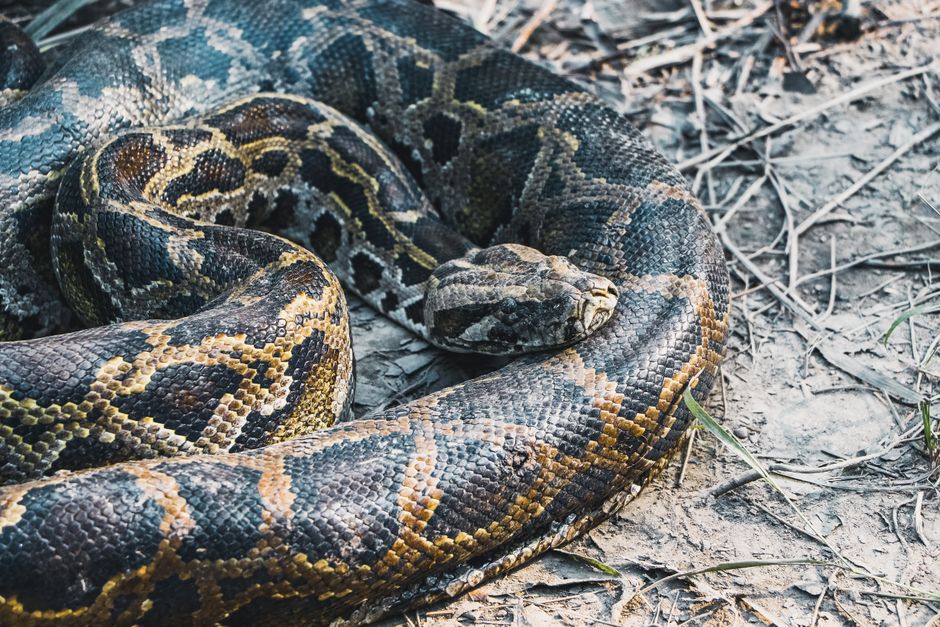
Mongoose vs Python: Can a Pack Beat a Giant Snake?
When a large constrictor targets small prey, the outcome usually seems decided in seconds. However, a wild mongoose vs python confrontation rarely follows the script people expect, especially when the predator underestimates the power of family teamwork. A mongoose vs python encounter shows how social bonds and mobbing tactics can completely flip the balance of power between two apex survivalists in the wild.
While individual mongooses are famous for fighting venomous snakes alone, large constricting snakes bring entirely different physical challenges. Understanding how these social mammals communicate and organize rescues gives us great insight into their complex wild behaviors.
What Happens in a Mongoose vs Python Confrontation?
In a direct mongoose vs python fight, a solo mongoose faces enormous danger from constriction, but a coordinated family pack can successfully overwhelm and drive away the snake. While venomous cobras rely on strikes that mongooses can dodge, a python relies on heavy bulk, ambush strikes, and crushing coils that trap small mammals instantly.
A python strikes from hidden cover, grabbing its target with hundreds of backward-curving teeth before wrapping several coils around the chest. When an ambush succeeds on an isolated mammal, escape is almost impossible. Yet when the victim belongs to a social troop, the capture triggers immediate alarm calls that summon every adult nearby.
Instead of fleeing to save themselves, the pack members sprint straight toward the danger. They surround the predator in an aggressive circle, darting in from every blind spot. This mobbing behavior disrupts the snake before it can finish tightening its fatal grip.
How Do Mongooses Fight Off Large Constrictor Snakes?
Mongooses fight off constrictors by using coordinated mobbing tactics, darting strikes, and continuous biting at the snake's most vulnerable areas. Rather than attacking as a single line, the pack members split their attention across multiple angles to confuse the reptile's senses.
Pythons rely heavily on heat pits, vibration detection, and scent tracking to follow threats. When ten or more fast-moving targets dart around them at once, sensory overload sets in. The snake cannot track where the next painful bite will come from, which forces it to divide its defensive attention.
Targeting Sensitive Areas
Mongooses do not just bite randomly at thick coils. They focus their sharp teeth on the head, the eyes, and the vulnerable tail sections of the serpent. These repeated bites inflict sharp pain, convincing the constrictor that holding onto its meal is not worth severe physical injury.
Creating Chaos and Distraction
Noise plays a huge role during these rescues. Pack members emit high-pitched growls, harsh chatters, and rapid clicks while fluffing their coats to look twice their normal size. This sensory barrage makes it nearly impossible for the snake to hold its grip on the captured pack mate.
Why Do Mongooses Live and Fight in Family Packs?
Mongooses live in dense social groups called packs or troops primarily to share vigilance, protect their young, and defend territory against much larger predators. Living as a group allows these small carnivores to forage safely in open grassland where lone animals would easily fall victim to raptors or ambush predators.
Within the group, certain adults act as lookouts, perching on rocks or mounds while others dig for insects and small vertebrates. If danger approaches, the lookout gives a distinct alarm bark that tells the pack whether to dive into burrows or gather together to fight.
If you keep small companion carnivores at home, you might notice similar instinctual quirks. For instance, curious ferret owners often ask why do ferrets shake, learning that excitement, temperature shifts, and intense social arousal all drive fast physical responses in mustelids and their close cousins. While mongooses belong to their own distinct family, their sharp energy and close-knit bonds mirror the intense social dynamics seen across many small predatory mammals.
Can a Python Successfully Eat an Adult Mongoose?
Yes, a python can easily swallow and digest an adult mongoose if the snake catches the mammal alone or subdues it before help arrives. Pythons are opportunistic ambush hunters with flexible jaw ligaments that allow them to consume prey significantly wider than their own heads.
Once a constrictor wraps its coils around a small mammal, it squeezes tighter every time the animal exhales. This pressure cuts off blood circulation to the brain within minutes. If a lone mongoose gets trapped without backup, its speed and agility are neutralized by the snake's raw muscular mass.
Several factors determine whether the snake wins the fight or retreats empty-handed:
- The size and species of the python, since very large adults hold a massive strength advantage.
- How quickly the pack arrives to deliver counter-strikes before crushing pressure causes fatal trauma.
- The terrain around the ambush site, where open ground favors the agility of the mobbing pack.
- The willingness of the snake to let go and defend its own head against dozens of sharp bites.
In most recorded encounters where a large group intervenes quickly, the python chooses survival over a meal. Releasing the prey allows the snake to coil into a tight defensive ball or retreat into dense brush to protect its eyes and face.
What Does Mongoose Mobbing Reveal About Small Mammal Intelligence?
Mongoose mobbing demonstrates that small mammals possess complex social cooperation, rapid problem-solving skills, and a willingness to accept personal risk to protect troop members. This behavior proves that their survival relies just as much on social teamwork as on individual physical speed.
Scientists classify this behavior as altruistic defense. Individual rescuers risk being grabbed by the constrictor themselves when they leap into biting range. Yet the overall survival of the family group benefits when members act together to eliminate common threats.
Young mongooses observe these rescue actions from safety, learning how to react to predatory reptiles through group observation. Over time, these shared experiences reinforce group cohesion and teach the next generation how to survive dangerous neighbors in their natural ecosystems.
As a reminder for animal lovers fascinated by wildlife interactions, wild animals have intense environmental requirements that cannot be replicated in normal households. Anyone interested in exotic species must research the care needs and legal protections of any animal thoroughly, and consult an exotic-animal veterinarian for specific guidance regarding species health and domestic suitability.
Final Thoughts
A wild mongoose vs python clash offers a clear demonstration of how group unity can overcome raw physical strength in nature. Even a powerful constricting snake must reconsider its attack when faced with a coordinated, fearless pack fighting for one of their own. Take some time to browse our other animal guides on RarePetCare to learn more about remarkable wildlife behaviors and responsible exotic pet care.
Frequently Asked Questions
Can a single mongoose kill a python?
A single mongoose rarely kills a large adult python because constrictors lack venom to exploit and possess heavy muscular bulk. While a lone mongoose can kill very small snakes, taking on an adult python alone usually puts the mongoose at severe risk.
Do pythons naturally hunt mongooses?
Pythons are opportunistic carnivores that regularly ambush small mammals, including mongooses, whenever they cross paths. They do not seek them out exclusively, but they will readily strike if a mongoose walks within reach.
Why are mongooses not afraid of snakes?
Mongooses possess lightning-fast reflexes, thick coats that cushion bites, and specialized acetylcholine receptor mutations that grant resistance to certain neurotoxic snake venoms. However, this venom resistance offers zero defense against the mechanical constriction of a python.
How many mongooses are usually in a pack?
Mongoose pack sizes vary by species, but banded mongooses and dwarf mongooses frequently live in family groups of ten to thirty individuals. These large numbers provide constant sentry coverage and collective defense against predators.
Explore More Small Mammals Guides
 🐹Small Mammals
Why Do Ferrets Shake? Causes and What to Do
Discover why ferrets shake, from normal waking shivers and excitement to medical warning signs that need an exotic vet.
 🐹Small Mammals
Can Chinchillas Get Wet? Why Water Is Risky
Wondering if chinchillas can get wet? Learn why water poses serious health risks for their dense coat and how to handle accidents safely.
 🐹Small Mammals
Hairless Rabbit Care: Causes, Needs, and Dobbi's Story
Discover what causes a hairless rabbit, how Dobbi survived with a chinchilla mom, and how to care for these rare, delicate pets.