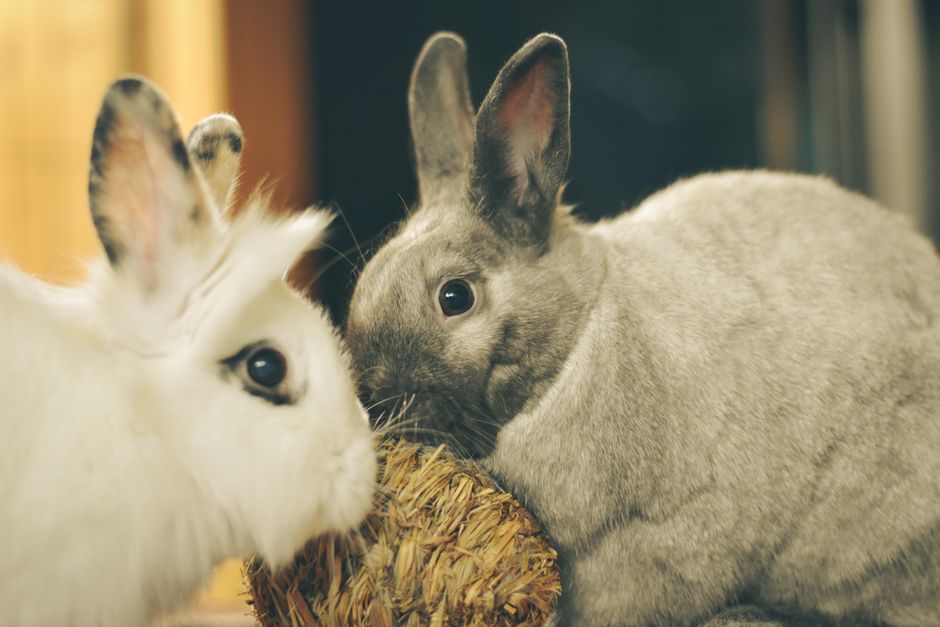
Hairless Rabbit Care: Causes, Needs, and Dobbi's Story
What Is a Hairless Rabbit?
A hairless rabbit is a domestic rabbit born without fur due to a rare genetic mutation that affects follicle growth. While most bunnies rely on thick coats to regulate body temperature and shield sensitive tissue, a hairless bunny has completely exposed skin that requires extra daily attention and specialized environmental management.
You might have heard the incredible story of Dobbi, a tiny naked bunny who made international headlines after being orphaned right after birth. Against all odds, Dobbi survived because a friendly chinchilla stepped in as an adoptive mother. While their story sounds like something out of a storybook, Dobbi is very real. His life opened up many questions about why these unique small animals are born without coats and how pet parents can help them thrive.
What Causes a Rabbit to Be Born Without Fur?
A rabbit is born without fur primarily because of a spontaneous recessive genetic mutation that halts normal hair follicle development. These mutations prevent the hair shaft from forming or cause newly formed hair to fall out shortly after birth.
In standard rabbit breeding, furless kits occasionally appear in litters where both parents carry the hidden recessive gene. Scientists have studied these gene variants for decades to understand mammalian skin conditions. Unlike Rex rabbits, who have short plush fur, completely bald rabbits have smooth, wrinkled skin that feels warm and delicate to the touch.
Sometimes, baby rabbits lose their fur later in life due to severe nutritional deficits, hormone imbalances, or parasite infestations like fur mites. However, a true genetic naked rabbit is hairless from the very beginning. Whenever you notice sudden patchiness on a normal bunny, you should work closely with an exotic veterinarian to rule out medical issues.
How Can an Orphaned Hairless Rabbit Survive?
An orphaned hairless rabbit can survive only with immediate supplemental heat, gentle hand feeding, and intensive hygiene management. Without a biological mother to nurse and groom them, newborn kits lose body heat rapidly and lack the natural antibodies provided by maternal milk.
In Dobbi's unusual case, an adult chinchilla stepped up to provide crucial warmth, companionship, and constant snuggling. While a chinchilla cannot provide the proper milk composition for a baby rabbit, the physical contact kept Dobbi warm enough to stay alive until human caretakers could manage targeted bottle feedings. Social warmth is vital for vulnerable kits, because cold skin quickly shuts down an infant bunny's digestion.
Cross-species fostering is quite rare and comes with real risks. Chinchillas and rabbits have different dietary needs, digestive biologies, and behavioral signals. Still, in emergency rescue scenarios, a calm surrogate animal can offer lifesaving body heat when incubators are not readily available.
Why Body Heat Is a Daily Challenge
Rabbits have naturally high baseline body temperatures and fast metabolic rates. Their thick coats normally trap air against their bodies, acting as high-grade insulation against drafts and chill.
Without that protective layer, a naked kit burns through calories at an accelerated rate just to stay warm. Rescuers often use safe, pet-friendly warming pads, soft fleece liners, and baby blankets to maintain a stable environment. Never place heating pads directly against bare skin, as this can easily cause severe contact burns.
How Do You Care for a Hairless Rabbit at Home?
Caring for a hairless rabbit requires keeping their room consistently warm, protecting their bare skin from scratches, and feeding a calorie-rich diet to fuel their active metabolism. Pet parents must adapt their basic housing and daily routines to shield these delicate bunnies from common household hazards.
Standard wire cages or rough wooden enclosures can easily scrape a furless bunny. Soft, clean fleece bedding is the best choice for cage lining. You must wash this bedding frequently with unscented, hypoallergenic detergent to prevent bacterial buildup and skin infections.
Here are the essential steps for keeping your furless bunny safe and comfortable:
- Line all floors with smooth fleece blankets and remove any sharp hay stalks or abrasive cage wire.
- Set up a draft-free space away from air conditioning vents, drafty windows, and open exterior doors.
- Offer extra grass hay, quality pellets, and clean water to compensate for the calories spent staying warm.
- Gently inspect their skin daily for signs of dry patches, redness, scratches, or urine scald.
- Schedule regular wellness checkups with a qualified exotic-animal veterinarian who understands rabbit dermatology.
Much like checking our general small pet guidelines, giving careful attention to housing basics prevents stress and helps sensitive animals live peaceful lives. Before bringing home any unique pet, it is an essential animal welfare duty to research their lifelong housing needs thoroughly.
Protecting Delicate Skin from Irritation
Normal rabbits use their dense coat to cushion their hocks, which are the heels of their back feet. Without fur padding, a hairless rabbit easily develops painful pressure sores called pododermatitis, or sore hocks.
To prevent this, provide thick layers of memory foam mats topped with soft blankets inside their main play area. Never apply human lotions, mineral oil, or petroleum jelly to their skin without veterinary approval. Ingesting these grooming products during their natural washing routines can cause life-threatening gut blockages.
Can Rabbits and Chinchillas Live Together Long Term?
Rabbits and chinchillas should not be housed together long term because they require entirely different room temperatures, specialized diets, and social dynamics. While Dobbi and his surrogate chinchilla formed a rare and touching temporary bond, permanent cohabitation creates significant health risks for both species.
Chinchillas thrive in cool, low-humidity spaces and can suffer heatstroke easily in warm rooms. In contrast, a bald rabbit needs a cozy, warm environment to avoid hypothermia. Their nutritional requirements also conflict sharply. Rabbits need leafy green vegetables and high-fiber forage, whereas fresh greens can cause deadly bloat in a chinchilla's sensitive gut.
Housing different species separately ensures that each pet receives customized care. If you travel or balance a busy household schedule, read our guide on whether you can leave a hamster alone to understand how small pets handle human absence and daily routines.
Final Thoughts
Living with a hairless rabbit is an extraordinary journey that requires dedicated environmental control, soft bedding, and constant skin monitoring. While stories like Dobbi being raised by a loving chinchilla highlight the resilience of orphaned kits, these special animals depend heavily on thoughtful human support. Explore our other RarePetCare guides to learn more about keeping your exotic and small mammals healthy, safe, and happy every single day.
Frequently Asked Questions
Do hairless rabbits stay bald their entire lives?
Yes, rabbits with genetic hairlessness remain bald throughout their lives because their follicles cannot produce normal fur.
Do hairless rabbits need sweaters or clothes?
Soft, breathable pet shirts can help them stay warm, but clothing must fit loosely to prevent friction sores and should be removed if it restricts movement.
Are hairless rabbits hypoallergenic for owners?
While they do not shed hair, they still produce dander and saliva proteins, which means people with rabbit allergies may still experience symptoms.
What should I feed a naked rabbit?
They eat unlimited grass hay and balanced pellets, but they often require slightly larger portions to generate the metabolic heat they lose without a coat.
Explore More Small Mammals Guides
 🐹Small Mammals
Can You Leave a Hamster Alone? Weekend Care Guide
Learn how long you can safely leave a hamster alone, what supplies to double-check, and when you really need a trusted pet sitter.
 🐹Small Mammals
Hamster Care Guide: How to Raise a Happy Pet
Learn how to give your pet hamster the best life possible with our modern guide to cage setups, nutrition, and daily enrichment.
 🐹Small Mammals
Why Do Guinea Pigs Squeak? Sound Guide
Learn why guinea pigs squeak, what different vocal sounds mean, and how to tell excitement from pain or fear.