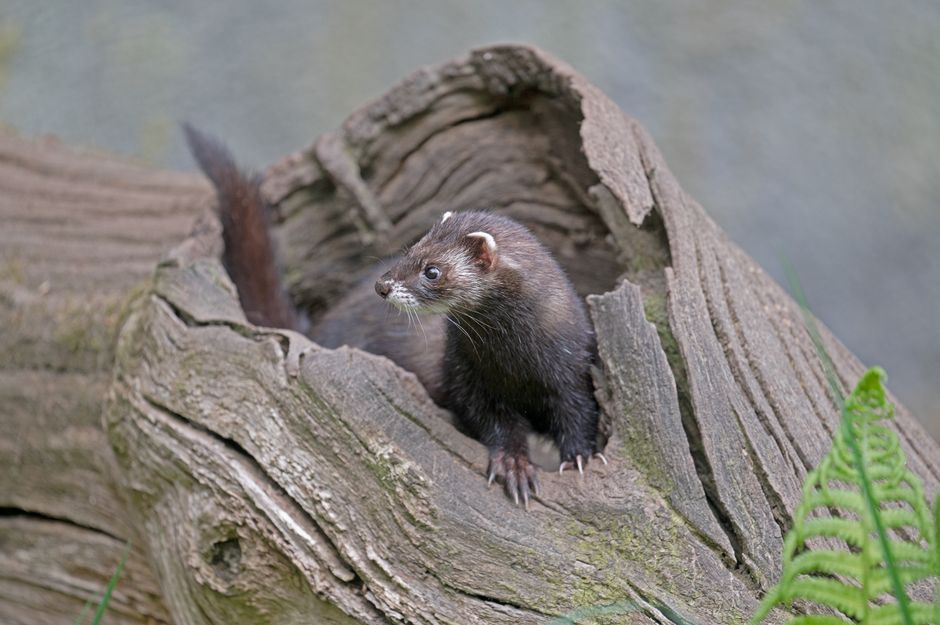
Why Do Ferrets Shake? Causes and What to Do
Seeing your pet tremble can be startling, but shaking is one of the most common behaviors new ferret owners notice. Ferrets shake for several reasons ranging from waking up from deep sleep to high excitement, cold room temperatures, or serious health issues like low blood sugar. In most everyday situations, brief trembling is completely normal and fades within a few minutes once your pet gets moving.
Why Do Ferrets Shake After Waking Up?
Ferrets shake after waking up because their body temperature drops during sleep, and rapid shivering helps warm their muscles quickly. When a ferret sleeps, its metabolic rate slows down and its core temperature falls slightly. Trembling generates rapid body heat and revs up circulation so your pet can wake up alert and ready to run.
This waking shiver usually lasts only two to three minutes. You will often see your ferret stretch its back legs, yawn, give a quick full-body vibration, and then scamper out of the hammock. If your ferret stops trembling as soon as it begins exploring or eating, you have nothing to worry about. It is just your pet's internal engine starting up for playtime.
Excitement and Strong Emotions
Ferrets frequently shake when they experience sudden surges of excitement, curiosity, or intense focus during play. A ferret that spots a favorite tunnel, smells a treat, or prepares to pounce on a toy will often quiver from nose to tail. This reaction happens because their nervous system is primed for high-speed action and sudden bursts of energy.
You can tell excitement apart from sickness by looking at the rest of your ferret's body language. Happy ferrets pair their shaking with an arched back, puffed tail, sideways hopping, or soft dooking noises. Similar to how other small mammals react to sudden stimulation, emotional trembling passes as soon as your pet burns off that initial wave of energy.
Fear and Stress Tremors
Fear can also make a ferret tremble, but the body language looks very different from happy play. A scared ferret will flatten its body against the floor, pin its ears back, and try to back away into a dark corner. Loud noises, unfamiliar house pets, or sudden changes in their routine can trigger this nervous reaction. If you notice fear-based shaking, speak in a gentle voice, give your pet a quiet hiding spot, and remove whatever frightened them.
Cold Room Temperatures and Wet Fur
Ferrets can shake simply because they feel cold, especially after a bath or if their cage sits in a drafty room. Ferrets have dense coats, but cold drafts from open windows, air conditioners, or tile floors can chill them quickly. Just as described in our guide on can chinchillas get wet, moisture breaks down the natural insulating barrier of small animal coats and causes rapid heat loss.
If you give your ferret an occasional bath, wrap them in a warm, dry towel right away and keep them out of cool air until their undercoat dries completely. Check the room where you keep your ferret cage. Make sure the cage is set away from drafty doorways, direct air conditioning vents, and uninsulated exterior walls.
To keep your ferret warm and comfortable throughout the year, check these enclosure basics:
- Provide thick fleece blankets, hanging sleep sacks, or tunnels where your ferret can burrow and trap its own body heat.
- Place the cage in an interior room with steady airflow rather than directly under cooling vents or drafty windows.
- Wash bedding regularly and make sure it is completely dry before placing it back into the cage.
- Avoid bathing your ferret too often, since frequent baths strip skin oils and leave the coat less effective at keeping warmth in.
When Ferret Shaking Signals a Medical Emergency
Ferret shaking can signal a dangerous medical emergency when it is caused by hypoglycemia, which is an abnormally low blood sugar level. Low blood sugar in adult ferrets is most commonly triggered by insulinoma, a tumor on the pancreas that produces too much insulin. When glucose levels crash, the brain and muscles are starved of energy, causing weak wobbling, head tremors, drooling, glassy eyes, and total body shaking.
If your ferret is shaking continuously and cannot seem to snap out of it, watch for other warning signs. A ferret experiencing a severe medical drop in blood sugar may stare blankly into space, paw at its mouth as if nauseated, or drag its back legs across the floor. If you suspect an insulinoma crash, you can rub a tiny drop of maple syrup or honey directly onto your ferret's gums to help raise its sugar level temporarily, then head immediately to an emergency clinic.
Other Health Causes to Discuss with an Exotic Vet
Pain, high fevers, and accidental poisoning can also cause severe shaking in ferrets. Like rabbits with sensitive systems, which you can read about in our hairless rabbit care guide, ferrets hide pain instinctively until a condition becomes advanced. Ear mite infections, intestinal blockages from swallowed rubber toys, and respiratory infections can cause enough physical distress to produce body tremors. As an essential part of responsible pet care, research your ferret's veterinary needs thoroughly and build a relationship with a qualified exotic-animal veterinarian before health issues arise.
How to Tell Normal Shaking from a Sick Ferret
You can tell normal shaking from a sick ferret by testing how easily your pet snaps out of the tremor. A healthy ferret that shakes from waking up or excitement will eagerly chase a toy, accept a treat, or explore its surroundings within a couple of minutes. A sick ferret will stay lethargic, refuse food, and appear weak or confused even after you pick it up.
Here is a quick checklist of warning signs that mean your ferret needs immediate veterinary attention:
- The shaking lasts longer than five minutes without stopping.
- Your ferret has dull, glassy eyes or does not respond when you call its name.
- Your pet paws at its mouth, salivates heavily, or shows signs of severe nausea.
- The hind legs look weak, limp, or drag behind the body during walking.
- Your ferret refuses its favorite treat or feels cold and limp to the touch.
If your ferret exhibits any of these symptoms alongside trembling, do not wait for the episode to pass on its own. Contact your exotic-animal veterinarian or an emergency animal hospital right away for professional diagnostics and treatment.
Final Thoughts
Learning why do ferrets shake helps you separate everyday quirks from serious medical emergencies with confidence. Most of the time, those tiny tremors simply mean your ferret is waking up from a cozy nap or bubbling over with playtime excitement. Keep exploring RarePetCare for more practical guides to help your exotic companions live happy, healthy lives.
Frequently Asked Questions
Do ferrets shake when they are happy?
Yes, ferrets often tremble slightly when they feel excited or eager to play with toys and cage mates.
How long should a waking shiver last in a ferret?
A normal waking shiver typically lasts between one and three minutes before fading as your ferret begins moving around.
Can low blood sugar cause my ferret to shake?
Yes, low blood sugar caused by conditions like insulinoma frequently causes continuous shaking, weakness, and drooling in ferrets.
Should I feed my ferret honey if it starts shaking?
Only rub a small dab of honey or syrup on the gums if your ferret shows signs of a severe low blood sugar crash, then contact an exotic vet immediately.
Explore More Small Mammals Guides
 🐹Small Mammals
Can Chinchillas Get Wet? Why Water Is Risky
Wondering if chinchillas can get wet? Learn why water poses serious health risks for their dense coat and how to handle accidents safely.
 🐹Small Mammals
Hairless Rabbit Care: Causes, Needs, and Dobbi's Story
Discover what causes a hairless rabbit, how Dobbi survived with a chinchilla mom, and how to care for these rare, delicate pets.
 🐹Small Mammals
Can You Leave a Hamster Alone? Weekend Care Guide
Learn how long you can safely leave a hamster alone, what supplies to double-check, and when you really need a trusted pet sitter.