Can Chinchillas Get Wet? Why Water Is Risky
Giving your small pet a warm bath might seem like standard grooming, but it can be dangerous for certain exotic animals. If you wonder can chinchillas get wet, the answer is an absolute no under normal circumstances. Chinchillas should never get wet because their exceptionally dense coat traps water, preventing the fur from drying quickly and exposing them to severe hypothermia and fungal skin infections.
In the wild, these mountain rodents stay spotless without touching a single drop of water. Their bodies evolved specifically for arid, high-altitude environments where moisture is scarce. When water penetrates their plush fur, it disrupts their natural insulation and creates an ideal breeding ground for harmful bacteria. Understanding how their unique coat works will help you protect your pet from preventable health scares.
Why Can Chinchillas Not Get Wet?
Chinchillas cannot get wet because their fur is so thick that trapped moisture cannot evaporate naturally, leading to rapid body heat loss and persistent skin dampness. While humans have one hair per follicle, a chinchilla can have up to eighty hairs growing from a single pore. This incredible density keeps wild herds warm during freezing mountain nights, but it turns against them the moment they touch liquid water.
When you submerge a chinchilla or spill water onto its back, the moisture sinks straight down to the skin. The outer hair mats together, sealing the dampness underneath like a heavy, cold blanket. Air cannot circulate through the saturated fibers to dry them out. Within minutes, that trapped cold water pulls warmth away from the animal core, putting your pet at immediate risk of respiratory illness.
The Anatomy of Chinchilla Fur
Chinchilla fur is considered the softest and densest among land mammals. Because each follicle supports dozens of individual strands, the coat acts as a tight barrier against debris and cold winds. However, this same structure means that water acts like glue on their coat. Unlike dogs or cats that shake off moisture and dry in an hour or two, a wet chinchilla can stay damp against the skin for several days.
Similar to the unique temperature challenges discussed in our guide on hairless rabbit care, small mammals with specialized skin or coats struggle to regulate their own warmth when exposed to damp drafts. Always research a species full housing and grooming needs before bringing one home, because traditional pet routines rarely apply to exotic rodents.
What Happens If a Chinchilla Gets Wet Accidentally?
If a chinchilla gets wet accidentally, the immediate dangers are hypothermia, shock, and a painful fungal infection known as ringworm. Cold water cools their tiny body down at an alarming rate, which can trigger lethal shock within a very short window. Even if the animal warms up, the lingering moisture under the coat rots the roots of the fur over the following days.
Fungus thrives in dark, warm, and humid spaces, which describes a damp chinchilla undercoat perfectly. The skin underneath becomes red, scaly, and itchy as the fungus spreads. Tufts of fur begin to fall out in patches, leaving raw patches that invite secondary bacterial infections. The stress of being wet also weakens the immune system, making your pet vulnerable to pneumonia.
Spotting Early Signs of Distress
Pet parents must monitor their animal closely if water spills near the cage. A pet that gets splashed may seem fine at first glance, but hidden dampness causes sudden behavioral shifts. Watch for these physical signs of trouble:
- Continuous shivering or trembling in the limbs
- Lethargy, dull eyes, or refusing to move around the enclosure
- Fur that looks clumped, stringy, or parted down to the bare skin
- Flaking skin, excessive scratching, or sudden patches of fur loss
If your pet shows persistent shaking or refuses to eat after getting wet, consult an exotic-animal veterinarian immediately. Small mammals deteriorate rapidly when their body temperature drops below safe thresholds.
How to Dry a Wet Chinchilla Safely
To dry a wet chinchilla safely, immediately wrap the animal in a warm, dry towel and gently blot the fur without rubbing or using high heat. Never use a standard blow dryer on a hot setting, because a chinchillas delicate skin burns very easily, and the loud noise can cause fatal panic. You must focus on absorbing moisture while keeping your pet calm and warm.
Act quickly the moment an accident happens. Follow these careful steps to pull moisture out of the coat without harming your companion:
- Wrap your pet gently in a thick microfiber towel to absorb the surface water.
- Press and blot the towel against the damp zones, avoiding rough rubbing that breaks the delicate hairs.
- Swap out saturated towels for fresh, dry ones every few minutes until the surface feels mostly dry.
- Use a blow dryer only on the cool or room-temperature setting from at least twelve inches away, keeping the airflow moving constantly.
- Place your pet in a dry, draft-free room with a secure hide box while the coat finishes drying.
Keep your pet away from open windows and air conditioning vents during the drying process. Much like leaving small pets unattended as detailed in our guide on whether can you leave a hamster alone, delicate pocket pets require close observation during any unexpected household crisis.
How Do Chinchillas Clean Themselves Without Water?
Chinchillas clean themselves without water by rolling in specialized volcanic dust that absorbs excess skin oils and lifts dirt from their dense fur. In their native Andes mountains, chinchillas seek out dry volcanic ash deposits several times every week. The fine powder coats each strand of hair, binding to grease and foreign particles so they fall away naturally when the animal shakes.
As a pet parent, you should provide a sturdy dust bath container filled with commercially prepared chinchilla dust two to three times per week. Let your pet roll and flip in the powder for ten to fifteen minutes, then remove the bath house from the cage. Leaving the dust inside the enclosure full-time can dry out their paw pads and irritate their sensitive eyes.
Never substitute playground sand, beach sand, or talcum powder for proper chinchilla dust. Genuine chinchilla dust consists of finely ground volcanic pumice or sepiolite clay. Rough playground sand has sharp edges that damage the coat, while scented talcum powders cause severe respiratory inflammation when inhaled during vigorous rolling.
Final Thoughts
Knowing whether can chinchillas get wet protects your exotic companion from painful skin rot, sudden chills, and stressful vet visits. Keep open water bowls, sink basins, and drink glasses far away from your pet during playtime, relying entirely on regular dust baths to keep that gorgeous coat healthy. Explore our other RarePetCare guides to learn more about keeping your exotic small mammals happy and thriving.
Frequently Asked Questions
Can you spot clean a chinchilla with a damp cloth?
You should avoid damp cloths unless your pet has sticky urine or sap on its fur, and you must dry the spot down to the skin immediately afterward.
Can chinchillas swim if placed in water?
Chinchillas can paddle instinctively for a few moments, but their fur quickly waterlogs, pulling them under and causing panic or drowning.
How often should a pet chinchilla take a dust bath?
Most chinchillas need a ten to fifteen minute dust bath two to three times per week to stay clean without drying out their skin.
Can you use regular sand for a chinchilla dust bath?
No, regular sand is too coarse and will cut the individual hair shafts, so you must use specialized volcanic chinchilla dust instead.
Explore More Small Mammals Guides
 🐹Small Mammals
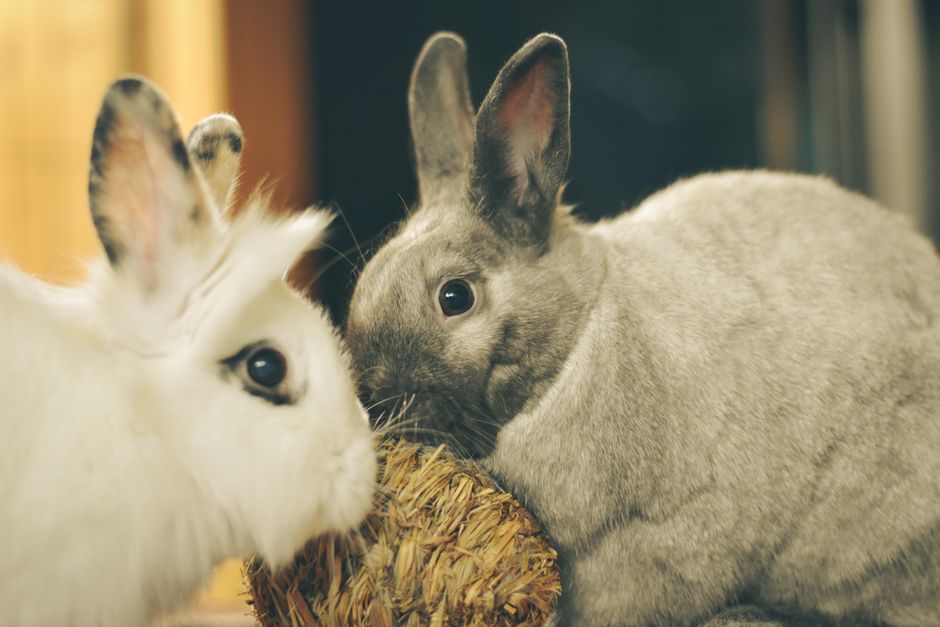
Hairless Rabbit Care: Causes, Needs, and Dobbi's Story
Discover what causes a hairless rabbit, how Dobbi survived with a chinchilla mom, and how to care for these rare, delicate pets.
 🐹Small Mammals
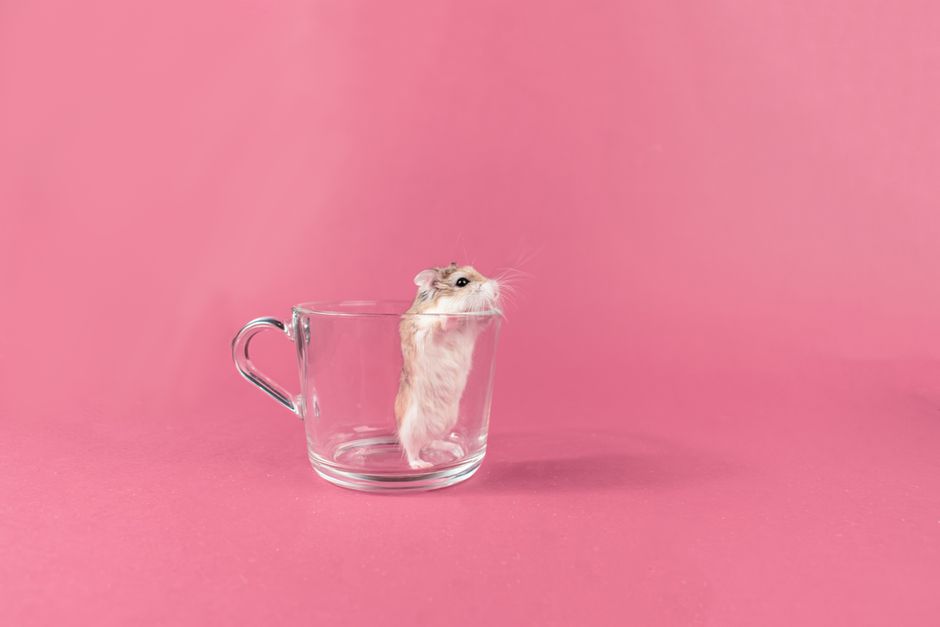
Can You Leave a Hamster Alone? Weekend Care Guide
Learn how long you can safely leave a hamster alone, what supplies to double-check, and when you really need a trusted pet sitter.
 🐹Small Mammals
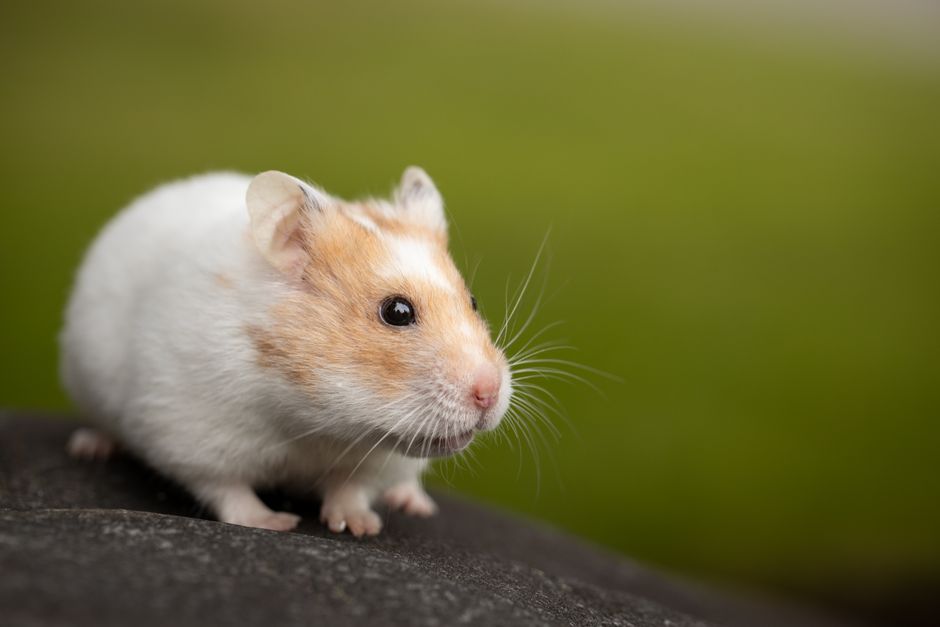
Hamster Care Guide: How to Raise a Happy Pet
Learn how to give your pet hamster the best life possible with our modern guide to cage setups, nutrition, and daily enrichment.