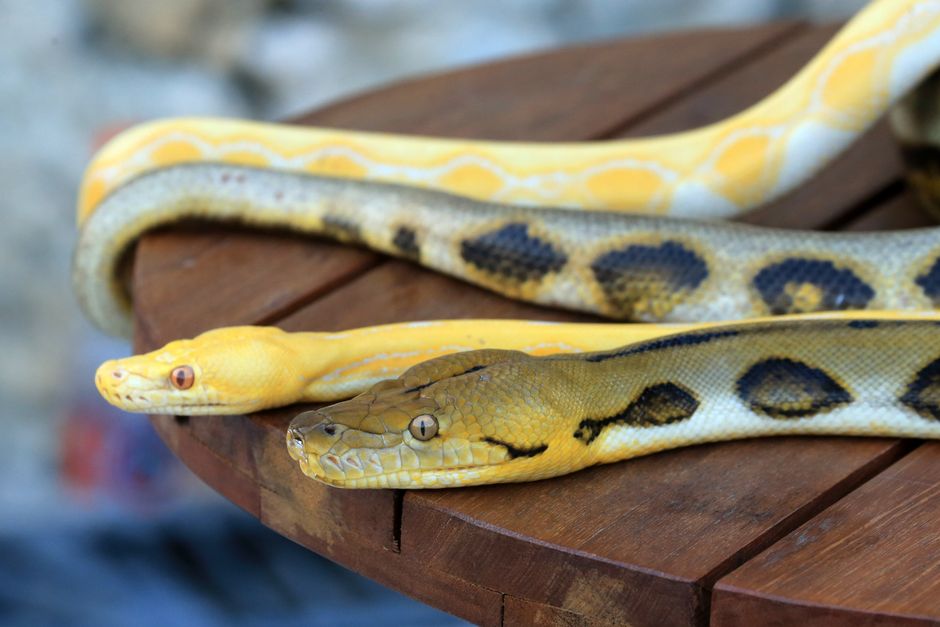
Snakes in Hawaii: Pet Laws and Penalties Explained
Finding a snake in an island paradise sounds impossible, yet recent reports of an escaped constrictor on Oahu show that incidents still happen. Keeping or transporting snakes in Hawaii is strictly prohibited under state biosecurity law, as the islands have no native land snake species. Because native wildlife evolved without these predators, state agricultural officials enforce strict rules to keep wild populations from establishing.
For reptile owners and travelers, learning how island biosecurity works is essential. Understanding the reasons behind these strict wildlife safeguards helps protect delicate native ecosystems and ensures exotic pets receive safe, lawful care.
Are snakes in Hawaii completely illegal to own?
Yes, keeping pet snakes in Hawaii is completely illegal for private individuals under state quarantine and wildlife laws. The state prohibits all snake species from entering or residing on any island, meaning residents cannot legally purchase, import, breed, or maintain them as companion animals.
Hawaii is an isolated island chain with a delicate native ecosystem. Ground-nesting seabirds, forest birds, rare lizards, and fragile insect populations thrive across the islands because they evolved without predatory serpents. If non-native reptiles establish breeding colonies, they can wipe out endangered wildlife within a few generations.
The state government maintains a closed-door policy for all foreign reptiles. Only accredited research facilities, educational institutions, and certified zoos can apply for strictly controlled permits to house them. Everyday pet parents who move to the islands must leave their scaled companions with trusted caretakers on the mainland. Responsible ownership always starts with knowing local laws, so reptile lovers should check state regulations before planning any relocation.
What are the penalties for possessing illegal snakes in Hawaii?
Possessing an illegal snake in Hawaii is a class C felony that carries fines of up to $200,000 and up to three years in prison. State authorities enforce these heavy consequences to deter smuggling and keep exotic pests from devastating the island environment.
These severe punishments might shock mainland pet keepers who view a calm python as a gentle pet. However, island officials view every loose reptile as a serious ecological threat. Similar issues have already caused massive environmental destruction on the mainland. For instance, the ongoing crisis involving a 17-foot python in the Everglades shows what happens when non-native constrictors escape into warm, predator-free wetlands.
Because Hawaii has warm weather year-round, an introduced species could quickly reproduce in the wild. The state legislature designed these strict felony penalties to prevent illegal imports before they start. Anyone caught smuggling reptiles into ports or airports faces immediate arrest, confiscation of the animals, and aggressive prosecution.
How does the Hawaii reptile amnesty program work?
The Hawaii Department of Agriculture offers an official amnesty program that allows pet owners to surrender illegal snakes with no questions asked and zero legal penalties. Under this policy, you will not face criminal charges or fines if you turn in an illegal animal before a formal investigation begins.
State officials created this program because they prioritize island safety over punishment. They understand that people sometimes bring pets across state lines without understanding the law, or end up caring for an animal they cannot handle. By offering complete immunity, the state encourages pet owners to do the right thing rather than abandoning an animal in the wild.
Safe steps to surrender an illegal reptile
Surrendering an unauthorized reptile through the amnesty program is straightforward and safe. If you or someone you know has an unauthorized pet on the islands, follow these steps to use the program safely:
- Contact the Hawaii Department of Agriculture or a local humane society before traveling to confirm their drop-off hours.
- Place the snake securely inside a breathable cloth pillowcase, tie the top firmly, and place it inside a ventilated plastic tote.
- Deliver the animal directly to an authorized drop-off station, police station, or partner shelter.
- Notify staff immediately that you are surrendering the reptile under the state amnesty policy so they can process it without legal paperwork.
Once surrendered, the animals are safely transferred to mainland sanctuaries, certified zoos, or educational centers. They are not returned to the owner, but they receive proper veterinary care and housing outside Hawaii.
Why was a ball python captured on Oahu?
The ball python captured on Oahu was likely a smuggled pet that escaped its enclosure or was deliberately turned loose by an overwhelmed owner. Despite strict port inspections and detector dogs, illegal reptiles occasionally slip through baggage checks, cargo crates, or postal packages.
Ball pythons are quiet, docile, and popular across the global reptile community. Many keepers love their gentle temperament, but keeping one in an illegal zone creates severe risks for the animal itself. Escaped pet snakes struggle to find appropriate shelter, risk traumatic injuries from road traffic, and face starvation or attacks from feral animals. Welfare matters for every creature, which is why pet parents must research a species' full adult needs and legal status before acquiring any animal.
When keepers realize they are housing an illegal pet, panic sometimes causes them to dump the animal outside. This is the worst possible choice. An abandoned snake cannot survive comfortably, and it risks introducing foreign bacteria or parasites into local habitats. Anyone who keeps snakes where they are legally permitted should also study practical routines, like learning how long you can leave a snake alone safely, to keep their pets secure inside escape-proof enclosures at all times.
What should you do if you spot a snake in Hawaii?
If you see a snake in Hawaii, keep a safe distance, keep your eyes on the animal, and call local authorities immediately to report the sighting. You should never attempt to handle, capture, or harm the snake yourself, as even non-venomous reptiles can strike when cornered.
Quick community reporting is the primary way agricultural inspectors track down loose snakes before they vanish into the dense brush. Take these practical actions the moment you spot a serpent:
- Maintain a clear visual on the animal while standing at least ten feet away so it does not feel threatened.
- Take a clear photo or video with your phone to help wildlife officials identify the species quickly.
- Call the state pest hotline or local police department right away to give your exact location and landmarks.
- Warn nearby pedestrians or property owners to keep their children and domestic pets away from the area until officers arrive.
Trained wildlife specialists and state agricultural inspectors have the specialized tools needed to capture reptiles humanely. By reporting the sighting promptly, you help protect local wildlife and ensure the animal is secured without injury.
Final Thoughts
Strict regulations on snakes in Hawaii exist to protect fragile island wildlife from ecological collapse. Understanding local laws and taking advantage of amnesty options helps keep both native ecosystems and exotic animals safe. If you love learning about responsible pet ownership and fascinating wildlife stories, explore more RarePetCare guides today.
Frequently Asked Questions
Why are snakes bad for Hawaii?
Snakes threaten Hawaii because native ground-nesting birds and lizards evolved without natural defenses against predatory serpents. An introduced snake population could devastate native bird colonies and disrupt local agriculture.
Are there any native snakes in Hawaii?
No, Hawaii has zero native land snake species. The only terrestrial serpent on the islands is the harmless Brahminy blind snake, a tiny non-native species accidentally introduced through imported soil.
Can tourists bring a service snake to Hawaii?
No, Hawaii does not permit snakes of any kind to enter the state, even as service animals or emotional support animals. Strict biosecurity regulations bar them entirely from arriving flights and cargo ships.
What happens to snakes captured in Hawaii?
Captured snakes are seized by state agricultural officials, evaluated for health, and temporarily held in secure quarantine. Most are eventually rehomed to certified educational centers or mainland zoos.
Explore More Reptiles Guides
 🦎Reptiles
How Long Can You Leave a Snake Alone? Safe Travel Guide
Planning a trip? Learn how long you can safely leave your pet snake alone, key enclosure checks, and when you must hire a pet sitter.
 🦎Reptiles
17-Foot Python in the Everglades: Inside the Giant Catch
Hunters captured a massive 17-foot python in the Everglades after an intense battle in waist-deep water.
 🦎Reptiles
Bali Sea Turtle Rescue: Why Smugglers Fled
When smugglers abandoned 22 sea turtles aboard a boat off Bali, local residents and authorities rushed in to save the endangered reptiles.