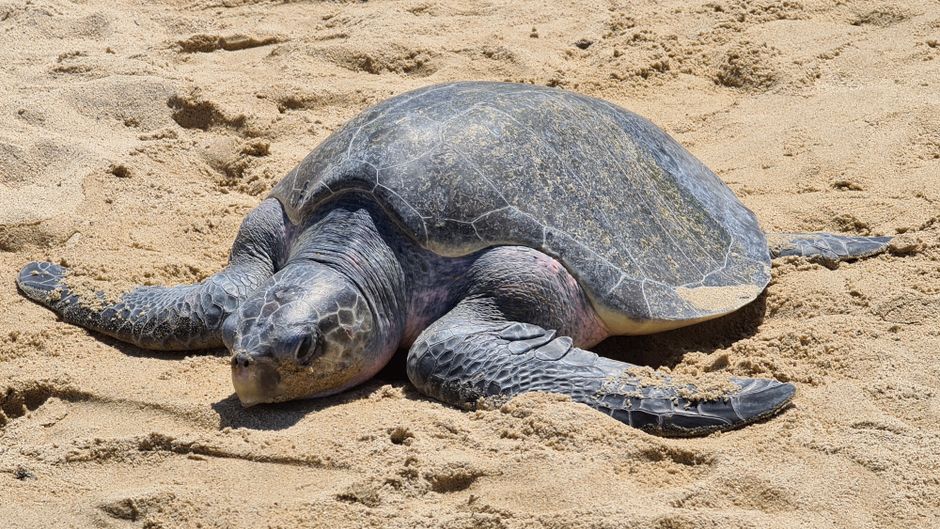
Olive Ridley Sea Turtle Eggs: Why Rescuers Move Them
Finding marine reptiles on northern coastlines is always surprising, but discovering sea turtle nests on Southern California beaches is exceptionally rare. When major storms threaten the coast, wildlife teams must step in quickly to protect vulnerable clutches. Understanding why experts relocate olive ridley sea turtle eggs helps us appreciate the delicate balance between coastal weather patterns and marine reptile conservation.
Olive ridley sea turtle eggs are round, soft-shelled eggs deposited in deep sand chambers by female turtles to incubate over several weeks. When environmental emergencies strike, dedicated wildlife teams carefully excavate these nests to prevent tidal flooding from destroying the next generation of ocean wanderers.
Why Are Olive Ridley Sea Turtle Eggs Laid in Southern California?
Olive ridley sea turtles typically nest on warm tropical beaches in Mexico and Central America, so finding their nests in Southern California is an unusual sign of shifting ocean currents. Warmer sea temperatures sometimes encourage adventurous females to travel much further north than their typical breeding grounds.
In their normal range, these reptiles are famous for mass nesting events known as arribadas. Thousands of females come ashore simultaneously to deposit their eggs under the cover of night. However, when individual turtles drift north along the Pacific coast, they occasionally venture onto beaches in San Diego or Orange County to lay solitary clutches.
These northern nests face serious hurdles from the very beginning. California sand temperatures are usually cooler than tropical nesting sites, which can slow down incubation or stop development entirely. When you add heavy beach traffic and unpredictable coastal storms into the equation, every clutch laid on a California shore becomes a high-priority conservation case.
Warm water currents along the coast also bring other rare visitors from the south. For example, unusual ocean conditions explain why we sometimes see tropical sea snakes in California during warm seasons. When these tropical wanderers arrive, local wildlife agencies closely monitor our coastlines to keep both the animals and beachgoers safe.
How Do Storms Threaten Sea Turtle Nests?
Severe coastal storms destroy sea turtle nests by swamping egg chambers with saltwater and washing away the protective sand dunes that shelter them. Heavy storm surge cuts deep into the beach face, exposing buried clutches to turbulent surf and coastal predators within minutes.
When powerful tropical weather systems churn off the Baja Peninsula, they generate massive swells and unusually high tides that batter coastlines hundreds of miles away. Even if a hurricane remains far offshore, the resulting wave energy can swallow low-lying sandy areas where female turtles deposited their clutches just weeks prior.
Water inundation is lethal to turtle embryos. Sea turtle eggs breathe through microscopic pores in their pliable shells. If seawater floods the underground nest for an extended period, oxygen cannot pass through the shell, causing the developing embryos inside to drown quickly.
The Hidden Damage of Sand Compaction and Erosion
Even when nests avoid direct flooding, coastal storms cause secondary damage that prevents successful hatching. Crashing waves deposit dense, waterlogged sand over the nest chamber, packing it down like wet cement.
This heavy compaction traps hatchlings below the surface if they manage to pip their shells. In addition, storm erosion can wash away top layers of sand, leaving eggs vulnerable to drying winds, intense sun exposure, and hungry seagulls. By moving the clutch before storm surge hits, biologists prevent these catastrophic losses.
How Wildlife Experts Move Olive Ridley Sea Turtle Eggs Safely
Wildlife authorities relocate olive ridley sea turtle eggs by carefully hand-digging the nest, keeping each egg in its original physical orientation, and transporting the clutch to a protected facility. Moving reptile eggs requires extreme precision because turning an egg upside down can detach the delicate embryo and end its development.
Federal agencies such as the U.S. Fish and Wildlife Service coordinate these emergency rescues with certified biologists and local aquariums. Every single egg is gently uncovered by hand, avoiding shovels or metal tools that could pierce the soft shells.
Specialists mark the top of every egg with a pencil before lifting it from the chamber. This mark ensures that handlers keep the egg in the exact position the mother placed it. Once removed, the eggs rest in damp sand inside sturdy transport coolers that maintain proper humidity and temperature during transit.
Standard relocation protocols include several critical steps:
- Carefully excavating the sand chamber by hand to locate the precise depth of the clutch.
- Marking the upward-facing surface of every egg to preserve its orientation during movement.
- Measuring the original nest dimensions and sand temperature to replicate ideal conditions.
- Placing eggs into cushioned, temperature-controlled containers filled with native beach sand.
- Transferring the clutch to an authorized indoor incubator or secure artificial nest above the high tide line.
These meticulous steps mirror the careful procedures used in professional animal rescue programs across the country. In safe holding facilities, caretakers monitor the clutch until incubation completes, ensuring that newborn hatchlings can be released into calm waters.
What Should Beachgoers Do If They Find a Turtle Nest?
If you spot a sea turtle or find fresh tracks leading to a potential nest on the beach, you should immediately give the animal wide space and contact local wildlife authorities. Never attempt to touch the turtle, uncover eggs, or mark the nest with heavy objects that could collapse the underground chamber.
Human interference is one of the greatest threats sea turtles face on populated beaches. Bright flashlights, camera flashes, and loud noises can easily disorient a nesting female, causing her to abandon her nesting attempt and return to the water without laying.
If you witness a nesting event or discover a possible clutch, follow these protective steps:
- Keep a distance of at least thirty feet to avoid disturbing the turtle or crushing the nest.
- Turn off all flashlights and cell phone lights, as bright beams frighten nocturnal reptiles.
- Note the exact location using nearby landmarks or a GPS pin on your smartphone.
- Call your state wildlife agency or a local marine mammal and reptile rescue hotline immediately.
Remember that all sea turtle species are strictly protected under federal and international wildlife laws. They cannot be kept in private collections. For those who love reptiles, caring for legal, captive-bred pet species is deeply rewarding, but you must thoroughly research a species' full adult housing and dietary needs before buying to ensure you can provide proper lifelong care.
Why Natural Incubation Differs from Captive Care
Wild sea turtle nests rely entirely on specific coastal soil dynamics, humidity levels, and ambient temperatures to produce healthy hatchlings. Unlike pet turtles housed in private vivariums, wild marine turtles cannot have their microclimate tweaked with an adjustable heat lamp or digital misting system.
Temperature even determines the sex of sea turtle hatchlings, a biological quirk known as temperature-dependent sex determination. Warmer sand temperatures produce mostly female offspring, while cooler sands yield mostly males. When emergency rescues happen, biologists must carefully set incubator temperatures to maintain a balanced sex ratio.
When hatchlings finally emerge, their instincts drive them toward the brightest natural horizon, which under normal conditions is the open ocean reflecting starlight. In captivity, artificial lighting can confuse young turtles, which is why rehabilitation teams use darkened enclosures. Once the storm passes and hatchlings emerge safely, experts release them under cover of darkness so they can begin their open-ocean journey.
Just like their unique nesting habits, marine turtles exhibit fascinating wild behaviors throughout their lives, including curious sleeping patterns. You can learn more about their daily cycles in our guide on why sea turtles sleep upside down in ocean currents.
Final Thoughts
Rescuing threatened olive ridley sea turtle eggs from rising hurricane tides requires rapid teamwork, scientific precision, and deep dedication to marine conservation. By protecting these rare California clutches from severe coastal weather, wildlife specialists give vulnerable hatchlings a vital chance to thrive. Check out our other wildlife and exotic pet care guides on RarePetCare to learn more about keeping reptiles healthy and understanding wild species.
Frequently Asked Questions
Why do rescuers move sea turtle eggs before a hurricane?
Rescuers move sea turtle eggs because storm surges and high tides can flood underground nests, suffocating the developing embryos in saltwater.
How long do olive ridley sea turtle eggs take to hatch?
Olive ridley sea turtle eggs generally take between 45 and 65 days to hatch, depending on the temperature and moisture of the surrounding sand.
Can you rotate a sea turtle egg when moving it?
No, rotating a sea turtle egg can tear the delicate embryo away from the inner membrane, which will stop its development and kill it.
Is it legal to keep a sea turtle as a pet?
No, all sea turtle species are strictly protected by federal and international conservation laws, making it illegal to capture, disturb, or keep them as pets.
Explore More Reptiles Guides
 🦎Reptiles
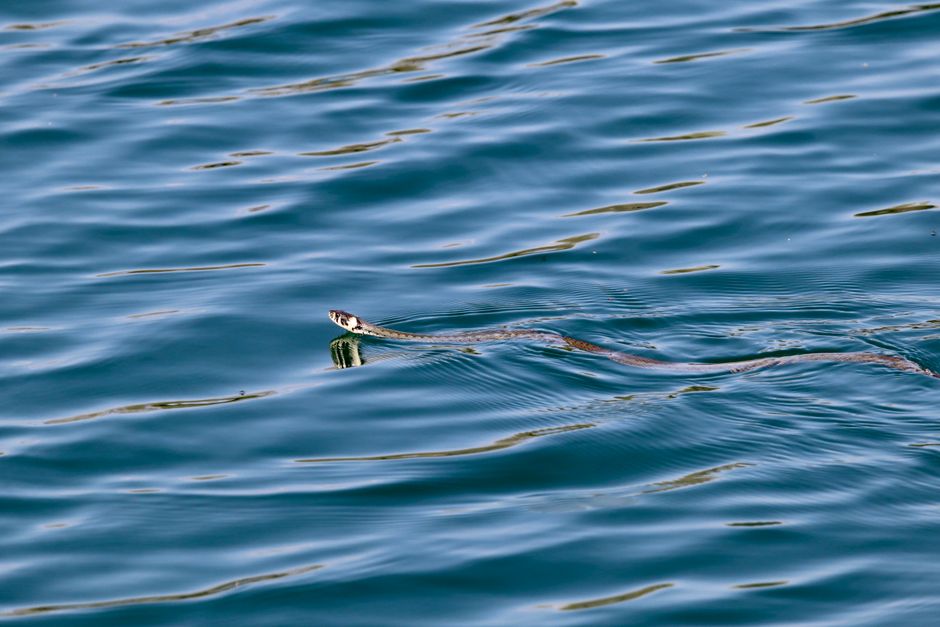
Venomous Sea Snakes in California: Why Are They Here?
Rare venomous sea snakes are washing up along the California coast. Learn why tropical marine reptiles travel north and how to stay safe.
 🦎Reptiles
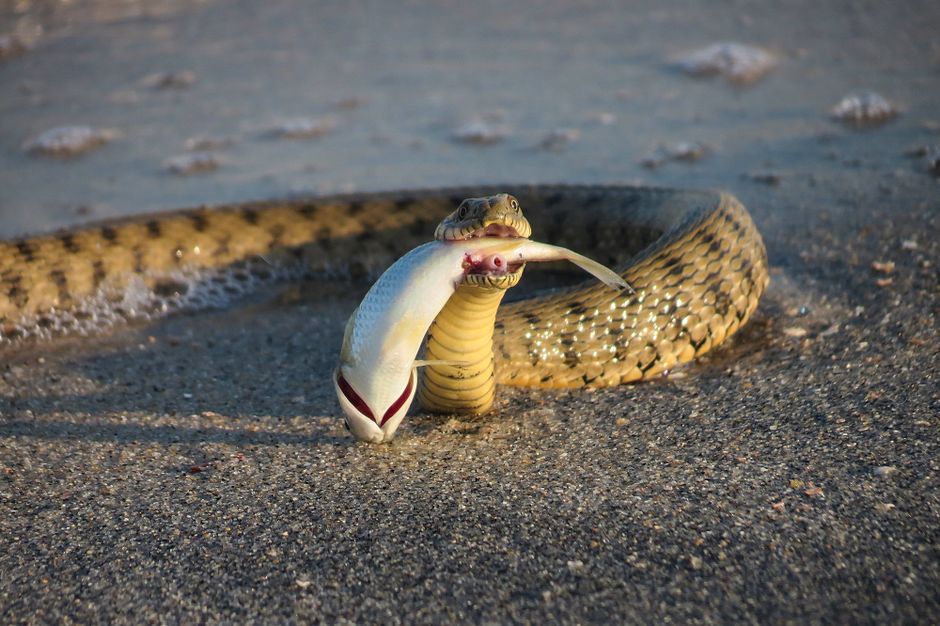
Cartwheeling Snake: How This Wild Reptile Escapes
Discover how the cartwheeling snake uses acrobatic rolls to escape predators at high speed in the tropical forests of Southeast Asia.
 🦎Reptiles
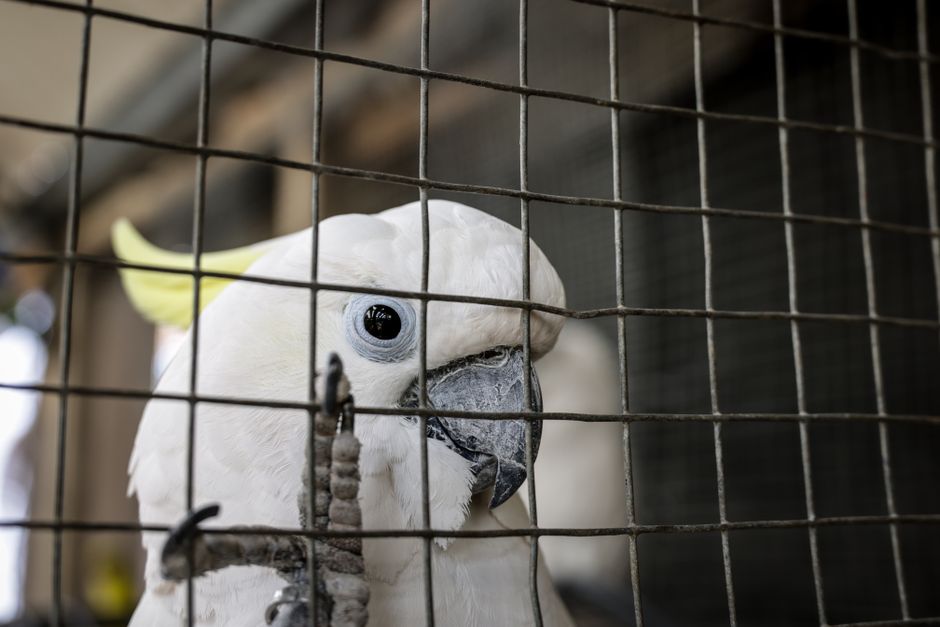
Exotic Animal Rescue: How Groups Save Wildlife
Learn how exotic animal rescue teams save wildlife caught in illegal trade and protect vulnerable animals across land and sea.