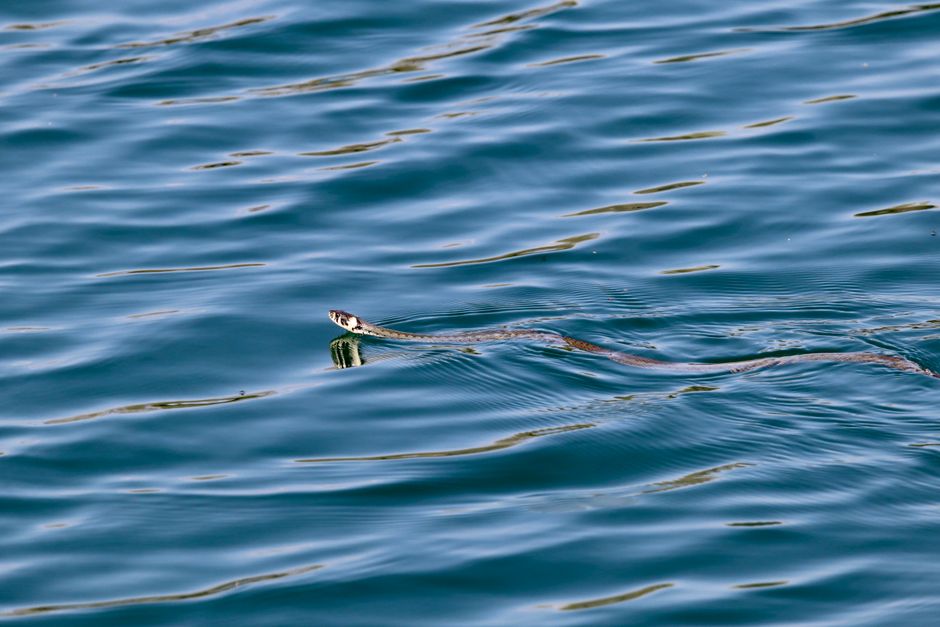
Venomous Sea Snakes in California: Why Are They Here?
Recent reports of venomous sea snakes in California have caught beachgoers and marine enthusiasts completely by surprise. Venomous sea snakes in California refer to tropical pelagic reptiles, specifically the yellow-bellied sea snake, that occasionally drift north from warm equatorial habitats into coastal Pacific waters during unusual marine warming events. These rare visitors normally live thousands of miles south, so their arrival signals big shifts in our coastal waters.
For reptile lovers and coastal residents, seeing a true ocean snake on a local beach feels surreal. These creatures spent centuries tied to warm tropical zones, yet changing ocean conditions bring unexpected visitors right to our doorstep. Understanding why they show up, how they survive, and what their arrival means will help you appreciate these unusual ocean reptiles safely.
Why Are Venomous Sea Snakes in California Showing Up Now?
Venomous sea snakes appear off California primarily because strong pulses of warm tropical water carry them hundreds of miles north of their usual home range. These marine reptiles rely entirely on their environment to regulate their body temperature, so they can only survive in northern waters when ocean temperatures rise well above normal levels.
In standard conditions, the California Current brings chilly water down from the northern Pacific. This cold water forms an invisible thermal barrier that tropical reptiles cannot cross. When unusual weather patterns push warm tropical water northward along the coast, that natural barrier temporarily breaks down. Sea snakes simply ride these currents north while hunting small fish near the surface.
Biologists noted that these animals were spotted only seven times between 1972 and recent years. When ocean conditions shift, sea snakes are not the only animals that make the journey north. Warm ocean water also draws other tropical giants, including whale sharks, hammerheads, and even sea turtles that usually nest much further south.
How Warm Ocean Currents Move Tropical Species
Pelagic sea snakes spend their whole lives floating in open water along ocean drift lines. They do not swim actively against strong tides for long distances. Instead, they position their bodies like floating sticks, waiting for small reef fish to shelter beneath them before striking.
Because they drift with surface currents, any strong northward push of warm water sweeps them along like raft passengers. Once the warm current slows down or disperses, these snakes often find themselves trapped in water that is rapidly cooling down. Without the ability to generate internal heat, their bodies begin to shut down, leaving them at the mercy of incoming ocean waves.
Which Sea Snake Species Are Found Along the Pacific Coast?
The only species documented in California waters is the yellow-bellied sea snake, known scientifically as Hydrophis platurus. This distinctive reptile is easily recognized by its dark brown or black top half and vibrant yellow belly, separated by a clean line along its sides.
Unlike terrestrial snakes, the yellow-bellied sea snake has a paddle-shaped tail that functions like an oar. It has specialized nostril valves that seal shut underwater and flattened belly scales that help it glide through swells. In fact, these snakes are so specialized for open water that they cannot crawl effectively on land. If they wash ashore, they cannot easily slither back into the surf.
Their presence off the coast highlights the incredible diversity of marine reptiles. While you might expect to see turtles riding the swells, snakes are far less common. If you love marine life, you might also wonder about other unusual reptile habits, such as why sea turtles sleep upside down during their long migrations across open ocean reefs.
Are Venomous Sea Snakes Dangerous to California Swimmers?
Yellow-bellied sea snakes possess highly potent neurotoxic venom, but they pose almost no danger to swimmers, surfers, or beach visitors. These snakes are naturally docile animals that prefer to drift undisturbed, rarely biting unless handled, trapped, or stepped on directly.
Most bites recorded worldwide involve fishermen clearing nets by hand in tropical regions. In open water, a healthy sea snake will actively swim downward or drift away from a splashing human. Their mouths are small, and their fangs sit near the front of the upper jaw, meaning they usually deliver venom only during defensive strikes when physically restrained.
Even so, safety must always come first around any venomous creature. If you keep reptiles at home, you already know that respectful handling and proper enclosures are vital. Always research a species' full adult needs before buying any pet reptile, and remember that wild species belong in nature under professional care. Swimmers who spot a snake in the water should simply keep a calm distance and let the reptile drift along without interference.
What Should You Do If You Find a Stranded Sea Snake?
If you encounter a stranded sea snake on the sand, do not touch the animal, pick it up, or attempt to return it to the ocean water. A sea snake on a California beach is almost certainly hypothermic, sick, or exhausted, meaning pushing it back into cold waves will only cause further distress.
Cold water paralyzes these tropical snakes, preventing them from surfacing for air. When an onshore breeze blows them onto the sand, they need professional intervention rather than well-meaning help from beach visitors. Here is the safest process to follow if you find one:
- Keep children, curious dogs, and other beachgoers at least twenty feet away from the animal.
- Take a clear photo from a safe distance to help marine biologists verify the species.
- Note your exact location, including nearby landmarks, beach access numbers, or GPS coordinates.
- Alert local lifeguards immediately so they can secure the surrounding area.
- Contact a regional marine center or report the snake to an established exotic animal rescue group equipped to handle stranded wildlife.
Marine rescue teams have specialized transport containers and temperature-controlled setups designed for cold-stunned ocean animals. Allowing trained wildlife responders to collect the snake ensures both public safety and the best possible outcome for the stranded reptile.
Final Thoughts
Seeing venomous sea snakes in California serves as a vivid reminder of how dynamic ocean life really is. While these tropical reptiles are rare along the coast, shifting marine temperatures can occasionally bring them far north of their typical comfort zone. If you ever spot one on the shoreline, give it plenty of room, keep your pets back, and call local marine authorities to handle the situation safely. Explore more RarePetCare guides to learn about unique reptile behaviors, unusual wildlife sightings, and responsible pet care tips.
Frequently Asked Questions
Can yellow-bellied sea snakes survive in California water long term?
No, yellow-bellied sea snakes cannot survive long term in California because typical coastal water temperatures are far too cold for their metabolism.
How does a sea snake breathe underwater?
Sea snakes have a single large lung that runs through most of their body, and they must surface regularly to breathe air through sealable nostrils.
Do sea snakes lay eggs on the beach like sea turtles?
No, yellow-bellied sea snakes give birth to live young directly in the open sea, spending their entire life cycle without ever needing land.
Can a sea snake bite through a standard wetsuit?
Most sea snakes have short fangs that cannot easily pierce thick neoprene wetsuits, though thin fabric or uncovered skin remains vulnerable to defensive bites.
Explore More Reptiles Guides
 🦎Reptiles
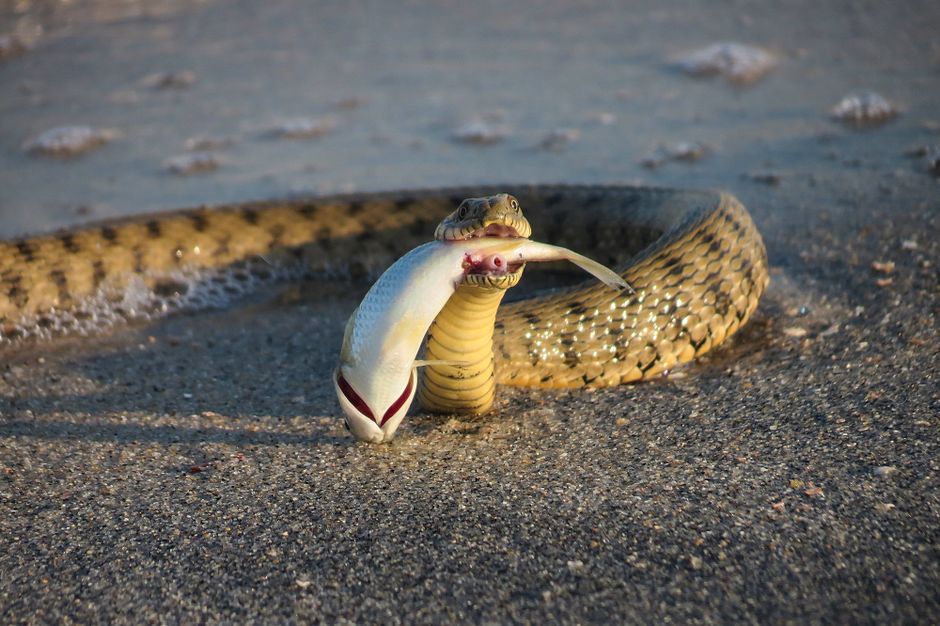
Cartwheeling Snake: How This Wild Reptile Escapes
Discover how the cartwheeling snake uses acrobatic rolls to escape predators at high speed in the tropical forests of Southeast Asia.
 🦎Reptiles
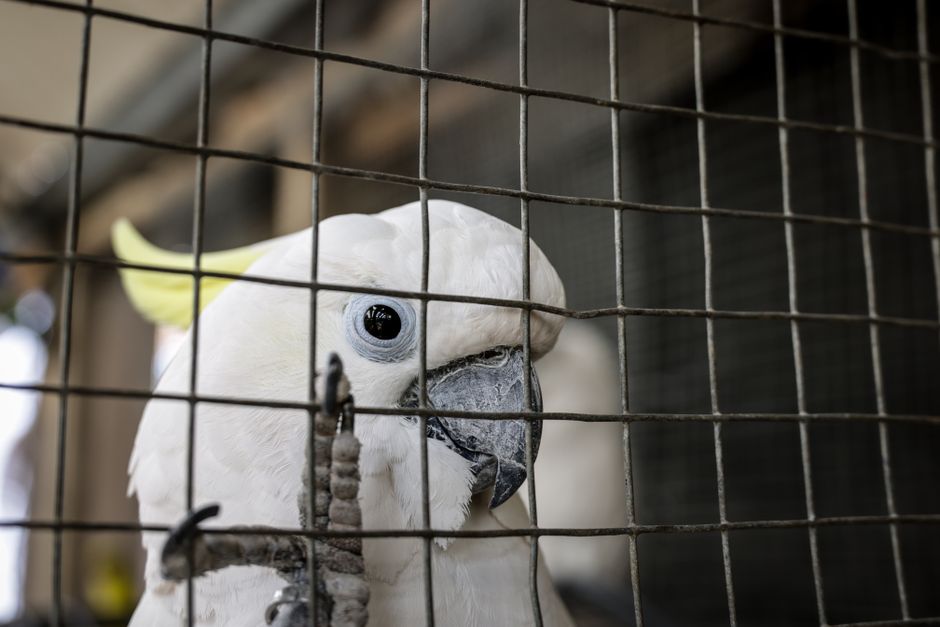
Exotic Animal Rescue: How Groups Save Wildlife
Learn how exotic animal rescue teams save wildlife caught in illegal trade and protect vulnerable animals across land and sea.
 🦎Reptiles
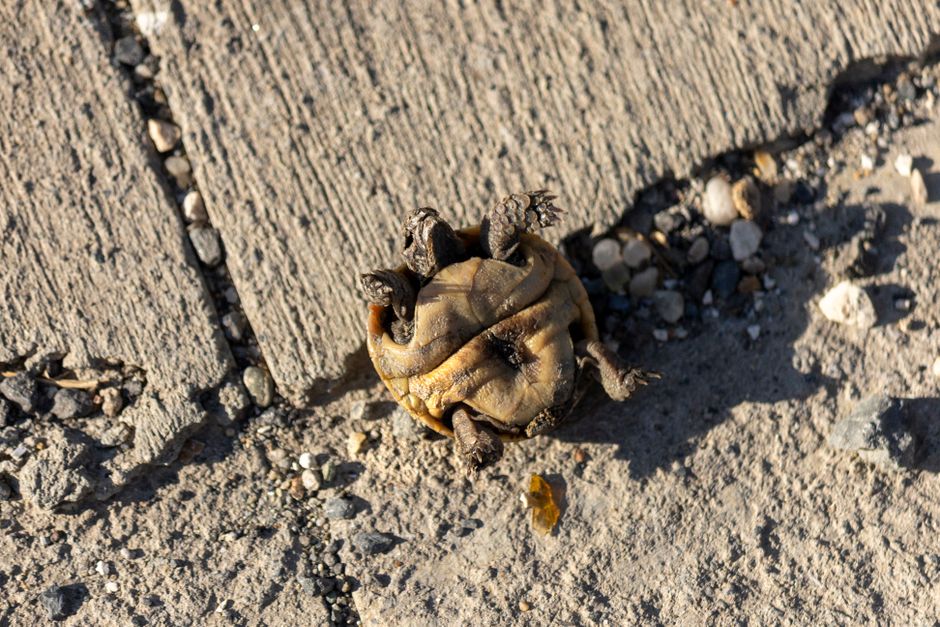
Why Do Sea Turtles Sleep Upside Down?
Learn why sea turtles wedge themselves head-first into giant sponges to rest and how their bodies survive underwater naps.