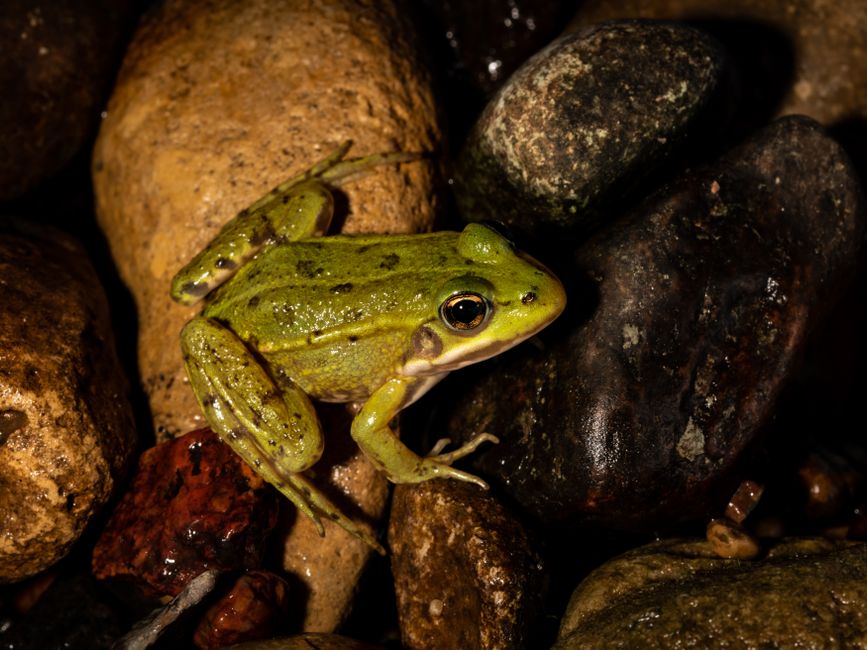
Pacman Frog Not Eating? 5 Causes and Easy Fixes
A pacman frog refusing food is a worrying sight for any pet parent. If you notice your pacman frog not eating, it usually points to improper enclosure temperatures, stress from recent handling, dehydration, or an intestinal blockage. Identifying the root issue quickly helps you make the right habitat adjustments before your pet loses vital body condition.
Why is my pacman frog not eating?
A pacman frog stops eating primarily due to low tank temperatures, excessive stress, improper humidity, or an internal digestive blockage known as impaction. Because amphibians depend on their external environment to regulate their body heat, an enclosure that runs too cool will completely shut down their digestive system.
These round, ground-dwelling amphibians are famous for having huge appetites. In a healthy setting, they strike at almost anything that moves past their mouths. When that strong feeding response disappears, it almost always signals that something in their immediate environment has shifted out of balance.
New arrivals frequently go on brief hunger strikes simply from the stress of moving into a new home. If you brought your frog home within the last week, give it a few days of quiet settling time. Dim the lights, avoid opening the enclosure unnecessarily, and let your frog adjust to its new surroundings before attempting another feeding.
How do temperature and humidity affect a pacman frog's appetite?
Incorrect temperature and moisture levels suppress a pacman frog's metabolism, preventing its stomach from breaking down food properly. When environmental temperatures fall below a frog's preferred comfort zone, the animal enters a slow, sluggish state where it naturally refuses to feed.
Amphibians need steady warmth to produce digestive enzymes. If you try to feed a cold frog, food can sit undigested inside its stomach for days, leading to dangerous bacterial growth and gut rot. Check your thermometer to verify that the warm side of the tank provides adequate gentle heat while leaving a slightly cooler area for self-regulation.
Humidity plays an equally vital role in your frog's willingness to hunt. These frogs absorb moisture directly through their skin rather than drinking from a bowl. If the air or bedding dries out, your frog will focus on survival rather than food, often burying itself completely to conserve moisture.
The risk of dry substrate and estivation
When bedding loses its dampness, a pacman frog may form a tough, dry layer of shed skin over its body to seal in moisture. This natural survival state is called estivation. A frog entering estivation will burrow deeply and refuse all food until soaking rains soften the soil.
To prevent unwanted estivation, mist the enclosure daily with clean, dechlorinated water. The bedding should feel like a damp sponge when you squeeze it, moist enough to clump together without dripping excess water.
Can impaction cause a pacman frog to stop eating?
Yes, digestive impaction is one of the most serious reasons a pacman frog stops eating. Impaction happens when a frog swallows indigestible material, such as coarse gravel, dry moss, or wood chips, which blocks the intestinal tract and makes feeding physically impossible.
Because pacman frogs lunge forward aggressively when striking at prey, they easily scoop up mouthfuls of whatever sits beneath their food. Much like an axolotl floating due to trapped digestive gas or ingested gravel, an impacted frog will show clear signs of abdominal distress and complete appetite loss.
Watch your pet closely for these common warning signs of an intestinal blockage:
- A hard, swollen lump on one side of the lower abdomen
- Total lack of droppings for several weeks
- Straining or pushing with the back legs
- Dull skin color and extreme lethargy
If you suspect severe impaction, prepare a shallow, lukewarm bath using dechlorinated water. Let your frog soak for fifteen minutes while monitoring it constantly. The gentle warmth often relaxes the digestive tract and encourages a bowel movement, but you should consult an exotic-animal veterinarian promptly if the swelling does not clear.
How to get your pacman frog to start eating again
To encourage a reluctant pacman frog to feed, correct your enclosure settings, offer the right size prey, and use soft-tipped feeding tongs to present the insect gently near the frog's mouth. Moving the food with a subtle twitch mimics natural prey movement and triggers the frog's strike reflex.
Never wave prey aggressively in your frog's face, as this can frighten the animal and cause it to turn away defensively. Instead, hold the insect about an inch in front of the frog, just level with its eyes, and let the bug wiggle naturally. Nightcrawlers, dubia roaches, and gut-loaded crickets make excellent options that provide high moisture and simple digestion.
Choosing the right prey size
Feeding insects that are too large often scares young pacman frogs or leads to painful choking hazards. As a general rule of thumb, never offer a feeder insect that is wider than the space between your frog's eyes.
Smaller, soft-bodied prey items are much easier for a recovering frog to manage. Once your pet regains its full appetite and regular digestion, you can gradually increase feeder size to match its growing jaw capacity.
Final Thoughts
Dealing with a pacman frog not eating can be stressful, but most feeding strikes resolve quickly once you correct heat, moisture, and handling routines. Keep a close eye on your daily tank parameters, maintain clean substrate, and always research your amphibian's full environmental needs to ensure long-term wellness. Explore our other RarePetCare guides to learn more practical tips for keeping your exotic pets healthy and active.
Frequently Asked Questions
How long can a pacman frog go without eating?
A healthy adult pacman frog can safely go several weeks without food due to its slow metabolism, though juveniles need feeding every few days. Prolonged food refusal beyond two weeks warrants a careful review of your tank conditions.
Should I force feed my pacman frog if it refuses food?
You should never attempt to force feed a pacman frog at home because you risk breaking its fragile jaw or tearing internal tissues. If your frog is losing noticeable weight, seek hands-on assistance from an exotic pet veterinarian.
Why does my pacman frog close its eyes when I offer food?
A frog that closes its eyes or turns its head away is feeling stressed, overwhelmed, or threatened by the feeding attempt. Step away, dim the room lights, and try offering food again later in the evening when the frog feels more secure.
Can shedding cause a pacman frog to lose its appetite?
Yes, pacman frogs frequently stop eating for a day or two right before and during a shed. They typically eat their own shed skin to recycle nutrients, which leaves them feeling full and uninterested in regular prey.
Explore More Amphibians Guides
 🐸Amphibians
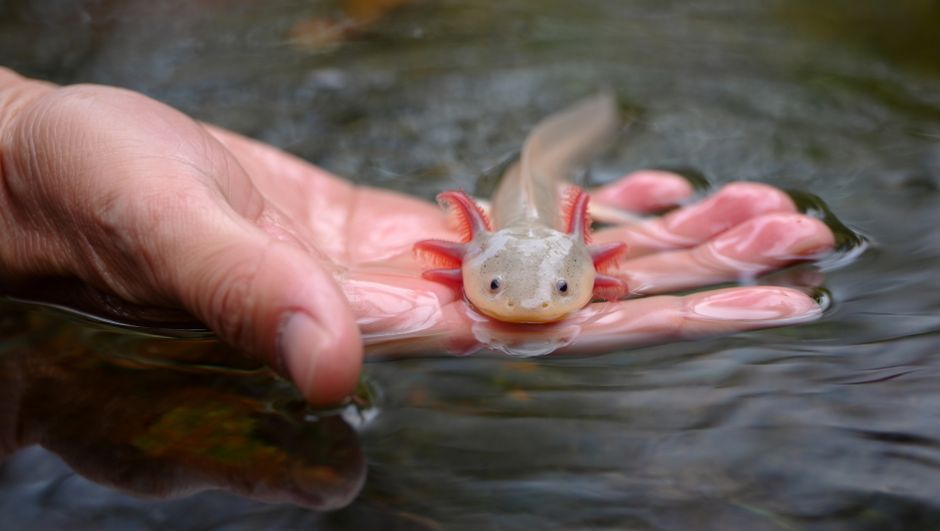
Axolotl Floating: Causes, Fixes, and When to Worry
Discover why your axolotl is floating at the top of the tank, how to spot trapped air or stress, and simple steps to help them sink comfortably.
 🐸Amphibians
Frogs in Swimming Pools: Why They Visit and How to Help
Discover why frogs end up around your pool, how chlorine affects their skin, and practical ways to rescue them safely.
 🐸Amphibians
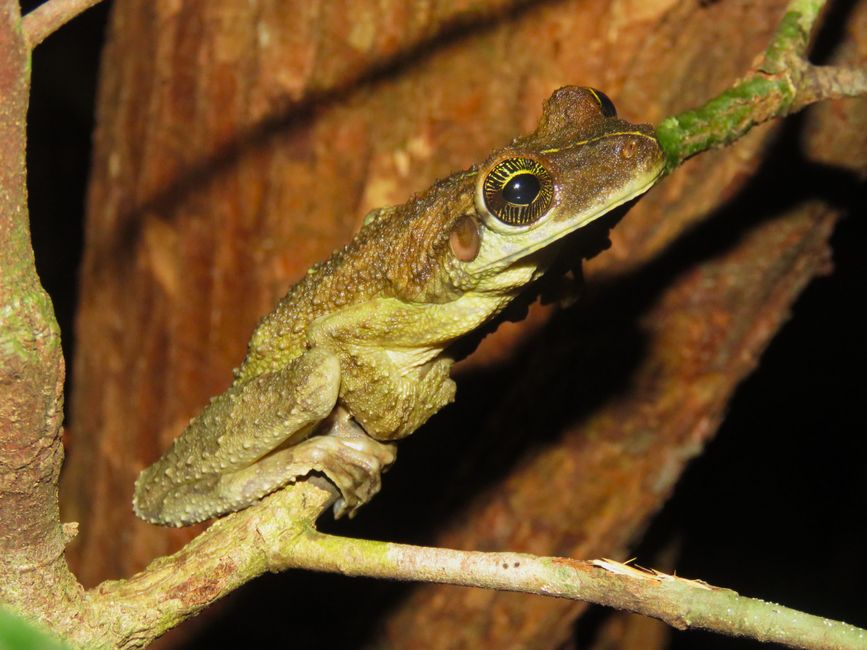
Chytrid Fungus in Frogs: The Brazil Crash Mystery
Decades after frogs vanished from Brazil's Atlantic Forest, museum jars revealed that the survivors were carrying the deadly chytrid fungus.