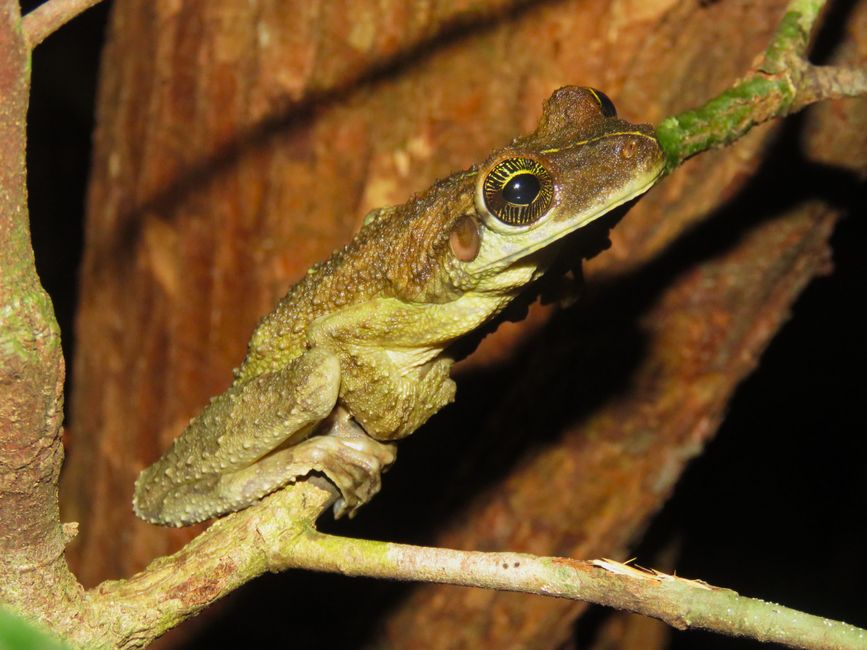
Chytrid Fungus in Frogs: The Brazil Crash Mystery
Chytrid fungus in frogs is a severe pathogen known as Batrachochytrium dendrobatidis that infects amphibian skin, disrupting hydration and electrolyte balance until cardiac arrest occurs. In the late 1970s, entire frog communities vanished without warning across the misty mountains of Brazil's Atlantic Forest. Decades later, preserved specimens stored away in museum jars finally revealed how this microscopic threat triggered one of the most perplexing ecological crashes ever recorded.
What Caused the Mysterious Atlantic Forest Amphibian Crash?
The massive amphibian crash in Brazil's Atlantic Forest was caused by a sudden wave of chytrid fungus that swept through vulnerable wild populations during the late 1970s. For nearly forty years, biologists were baffled by the sudden silence in habitats that were once teeming with vocal tree frogs, torrent frogs, and leaf-litter toads. Pristine forest reserves that suffered no logging or pollution still saw their native amphibians disappear almost overnight.
Early theories blamed unusual weather patterns, severe frost, or toxic pesticide drift from distant farms. None of those ideas explained why certain species vanished completely while a few closely related frogs continued hopping along the exact same streams. The mystery remained cold until modern molecular tools gave researchers a new way to examine historical evidence.
Pathogen testing on field samples collected decades after the event could not explain the initial wave. Researchers needed a direct look at the exact years when the disappearances began. That required finding physical specimens collected right before, during, and after the late 1970s die-offs.
Clues Hidden in Museum Drawers
Scientists finally solved the riddle by testing forgotten amphibian jars stored on the shelves of natural history museums, including collections at the Smithsonian Institution. Curators and visiting biologists carefully swabbed the skin of preserved specimens collected in Brazil between the early twentieth century and the present day.
DNA extracted from these vintage specimens confirmed the presence of the pathogen on frogs collected right as the populations began crashing. Just as field discoveries like the new racerunner lizard species discovered in Pakistan highlight how much we still uncover through fieldwork, these museum jars proved that historical collections hold vital answers to modern ecological crises.
The genetic evidence showed that the fungus was not native to those specific forest streams. Instead, it arrived swiftly, swept through naive populations with zero natural immunity, and left empty waterways in its wake.
Why Were the Surviving Frogs Carrying the Infection?
The surviving frog species made it through the crash because they acted as tolerant reservoir hosts, meaning they carried the fungus on their skin without developing lethal disease. Instead of succumbing to skin breakdown and heart failure, these hardy amphibians tolerated high fungal loads while actively shedding infectious spores into the surrounding water.
This finding completely flipped the original scientific assumptions upside down. Early researchers had guessed that the survivors lived because they managed to avoid the pathogen entirely, perhaps by living higher in the trees or staying away from cold water. In reality, the survivors were soaked in the fungus.
By staying active and breeding, these tolerant frogs inadvertently maintained a reservoir of infection in the habitat. Whenever sensitive species attempted to recolonize stream banks, the presence of the carrier frogs meant the pathogen was still waiting for them. This dynamic explains why many sensitive frog species failed to recover even decades after the initial epidemic passed.
Natural variation in skin secretions, antimicrobial peptides, and symbiotic skin bacteria helped these survivors resist tissue damage. While their sensitive neighbors lost the ability to regulate salt and water across their bellies, the carrier species kept their vital organs working normally despite heavy fungal colonization.
How Does Chytrid Fungus in Frogs Cause Sudden Die-Offs?
Chytrid fungus in frogs attacks keratin, a structural protein found in the outer layers of adult amphibian skin and the mouthparts of tadpoles. Because amphibians rely on their delicate skin to absorb moisture, take in oxygen, and balance essential salts, damage to this organ quickly turns fatal.
As the fungal spores burrow into the epidermal layers, the skin thickens, hardens, and begins sloughing off in ragged sheets. This physical disruption blocks the transport of sodium and potassium ions between the animal and its environment. As blood levels of these electrolytes crash, the nervous system falters and the heart eventually stops beating.
The clinical progression of the disease often presents with distinct physical and behavioral signs:
- Excessive skin shedding with milky or patchy discolored skin along the legs and belly
- Abnormal posture, such as sitting with hind legs splayed out flat instead of tucked beneath the body
- Loss of the normal righting reflex, leaving the frog unable to flip over when placed on its back
- Lethargy, dull eyes, and complete disinterest in food or nearby insect prey
- Reddened or inflamed skin along the underside of the thighs and abdomen
Tadpoles can carry the fungus on their mouthparts for months without dying because their bodies lack keratinized skin at that life stage. Once they undergo metamorphosis and grow adult skin, the fungus spreads across their bodies, causing sudden mortality right as the young frogs leave the water.
What Does This Discovery Mean for Pet Amphibian Care?
The discovery that silent carriers spread chytrid fungus in frogs offers a crucial lesson for exotic pet parents: a frog that looks perfectly healthy can still harbor a lethal infection. If you bring a new tree frog, dart frog, or pacman frog home without proper precautions, an invisible pathogen could wipe out your entire collection.
Whenever you experience unexpected health changes or loss of appetite across an enclosure, you must act quickly. Just as reptile keepers look for environmental answers when facing a ball python not eating, amphibian keepers need to evaluate tank hygiene and water quality immediately. As an essential welfare rule, always research an amphibian's full environmental needs before purchasing, and consult a qualified exotic-animal veterinarian whenever unusual shedding, lethargy, or skin redness appears.
Never release captive frogs, surplus tadpoles, or unsterilized terrarium wastewater into local drains or garden ponds. Captive amphibians can carry resilient fungal strains that devastate wild native populations if accidentally introduced into local ecosystems.
Practical Terrarium Quarantine Habits
Preventing cross-contamination between enclosures requires simple, disciplined bio-security habits. By treating every new pet as a potential asymptomatic carrier, you protect your established animals from silent fungal outbreaks.
Follow these essential quarantine standards whenever adding a new amphibian to your home:
- House new arrivals in a dedicated quarantine enclosure with damp paper towels for substrate for at least sixty to ninety days.
- Use separate tongs, nets, and misting bottles for quarantine tanks, never sharing tools between cages.
- Wash and sanitize hands thoroughly between servicing different terrariums, or wear fresh disposable nitrile gloves for each tank.
- Disinfect all waste terrarium water with a small amount of household bleach before pouring it down the drain.
Consistent quarantine gives you time to observe the new animal for subtle skin changes, verify regular feeding, and test for pathogens before any cross-tank exposure occurs.
Final Thoughts
The historical tragedy in Brazil proved that silent carriers of chytrid fungus in frogs can reshape an entire ecosystem without showing obvious signs of sickness. By understanding how this pathogen functions, amphibian owners can use strict quarantine and responsible husbandry to keep their captive frogs safe from deadly outbreaks. Explore our other RarePetCare guides to learn more practical ways to support your exotic pets at home.
Frequently Asked Questions
What is chytrid fungus in frogs?
Chytrid fungus is a waterborne pathogen called Batrachochytrium dendrobatidis that attacks amphibian skin, blocking essential electrolyte absorption and causing heart failure.
Can a frog carry chytrid fungus without getting sick?
Yes, several tolerant amphibian species carry and shed chytrid spores while showing no clinical signs of disease, acting as silent reservoirs that can infect other sensitive frogs.
How can you tell if a pet frog has chytrid fungus?
Common symptoms include excessive skin peeling, reddened bellies, splayed posture, loss of the righting reflex, and severe lethargy.
Can chytrid fungus spread to pet reptiles or humans?
No, chytrid fungus specifically infects amphibians and cannot cause disease in humans, dogs, cats, or pet reptiles.
Explore More Amphibians Guides
 🐸Amphibians
Hellbender Salamander Guide: Facts, Habitat, Care
Meet the hellbender salamander, North America's largest aquatic amphibian known as the snot otter, and discover why rivers need them.
 🐸Amphibians
What Do White's Tree Frogs Eat? Complete Diet Guide
Discover the ideal feeder insects, safe portion sizes, and feeding schedules to keep your pet White's tree frog healthy and thriving.
 🐸Amphibians
White's Tree Frog Habitat Setup: Beginner Guide
Build the ideal White's tree frog habitat setup with proper tank size, gentle heat, humidity control, and safe substrate choices.