
Frogs in Swimming Pools: Why They Visit and How to Help
Finding little green visitors lounging beside your pool furniture is a classic summer surprise. In Winston, Georgia, one creative resident made headlines by gently styling local pool-hopping tree frogs with custom miniature fedoras, complete with flowers and tiny feathers, before helping them on their way. While the photo shoot captured hearts online, it also brought up an important practical question for homeowners everywhere.
Frogs in swimming pools are wild amphibians drawn to backyard water sources searching for moisture, insects, or breeding territory. Because frogs absorb water directly through permeable skin, chlorinated pool water can quickly dehydrate and harm them, making safe rescue and prevention essential for any backyard pool owner.
Why do frogs in swimming pools show up in the first place?
Frogs show up around swimming pools primarily because pool lights attract swarms of insects at night, creating an easy feeding ground. They also seek out moisture and cool spots to rehydrate during warm summer evenings.
During hot summer spells, local water sources like puddles, ditches, and seasonal creeks often dry up completely. Wild amphibians travel surprisingly far across suburban lawns looking for humidity. A large basin of open water smells cool and humid from dozens of feet away, acting like a magnet for thirsty tree frogs and toads.
Backyard lighting also plays a major role. Nighttime pool illumination pulls in moths, beetles, and midges by the hundreds. For an agile tree frog, pool coping, lounge chairs, and nearby umbrella poles make great hunting perches. The designer in Winston, Georgia noticed that her green visitors congregated in the exact same poolside spots every night, entirely focused on catching bugs before slipping into the water by accident.
Is pool water dangerous for frogs?
Yes, chlorinated pool water is toxic to frogs because their permeable skin absorbs chemicals, heavy sanitizers, and salt directly into their bloodstream. Prolonged exposure causes severe dehydration, chemical burns, and respiratory distress.
Amphibians do not drink water through their mouths the way mammals and birds do. Instead, they take in moisture and oxygen through a specialized skin patch on their undersides. When a frog lands in treated water, chlorine and shock agents strip away its natural protective mucus coating. The high salt or chemical balance also draws moisture out of the frog instead of hydrating it.
Exhaustion is another serious hazard. Swimming pools have steep, slick vinyl or fiberglass walls with no natural slope. Once a frog jumps in, it quickly realizes it cannot climb the smooth sides. Without a floating ramp or skimmer escape route, the animal paddles until it tires out. As a general welfare rule, research any amphibian species' environmental needs before interacting with them, and consult an exotic-animal veterinarian if you ever care for an injured rescue.
How to safely remove frogs from your swimming pool
To safely remove a frog from a swimming pool, scoop it up using a soft pool skimmer net or bare wet hands free of lotions and insect repellents. Transfer the frog immediately into a bucket of dechlorinated fresh water to rinse off pool chemicals before release.
Speed is critical whenever you spot an amphibian floating or clinging to your skimmer door. Follow these steps to give the animal the best chance of recovery:
- Check your skimmer baskets every single morning before running high-speed filtration cycles that can trap small animals.
- Scoop the frog out gently using a clean, soft mesh skimmer net rather than your bare hands if you are wearing sunscreen or bug spray.
- Place the frog in a shallow container of clean, room-temperature fresh water for ten to fifteen minutes to rinse residual chlorine off its body.
- Move the rinsed frog to a damp, shaded garden bed with thick mulch, shrubs, or tall grass far away from your pool deck.
What to avoid when handling pool frogs
Never pick up a frog with dry paper towels or chemical-coated hands. Dry paper pulls away delicate skin tissue, and residual hand lotions can poison the animal through skin contact. Just like learning can you pet a snapping turtle safely, handling wild animals always requires minimal physical contact and clear boundaries. Keep the handling time under a minute, avoid squeezing, and never attempt to turn a wild pool frog into a captive pet.
How to keep frogs away from swimming pools
You can keep frogs away from swimming pools by turning off bright pool lights at night and trimming ground vegetation within several feet of the pool coping. Installing animal escape ramps in the water gives any trapped frogs a way to climb out on their own.
Simple environmental adjustments dramatically reduce the number of amphibians that tumble into your water. Start by changing your evening lighting schedule. Switching from bright white halogen lights to yellow bug-resistant bulbs reduces insect swarms, which removes the primary food source that attracts frogs to your patio.
Physical barriers and escape aids are equally effective. Floating mesh ramps, often sold under names like the FrogLog, sit at the pool edge with a small weighted pouch on the pool deck. If a frog enters the water, it instinctively swims along the perimeter until it finds the ramp and climbs out safely.
When can you interact with wild frogs safely?
You should only interact with wild frogs for brief rescues or quick, stress-free photographs before releasing them into safe cover. Extended handling causes severe distress and dries out their protective skin layer.
The viral Winston, Georgia photoshoot worked because the designer acted with great care and patience. She set the miniature hats gently on the frogs while they rested quietly on patio chairs, snapped a fast picture without restraining them, and escorted them to safety. The frogs were never glued, pinned, or forced into uncomfortable positions.
Tips for quick wildlife photos without stress
If you want to document the interesting wildlife visiting your yard, keep the interaction brief. Work around the animal's natural posture rather than posing it. If the frog hops away, let it go without chasing it down. Always prioritize the creature's physical safety and skin hydration over getting the perfect snapshot.
Final Thoughts
Encountering frogs in swimming pools offers a fun peek into local wildlife, but our backyard amenities present real hazards for these fragile creatures. By adding simple escape ramps, rinsing rescued jumpers in clean water, and managing night lighting, you can keep your pool clean while protecting local amphibian populations. Check out our other wildlife and amphibian guides on RarePetCare to learn more about keeping your backyard visitors safe.
Frequently Asked Questions
Can frogs survive in chlorinated pool water?
Frogs can only survive in chlorinated pool water for a few hours before the harsh chemicals absorb through their skin and cause deadly dehydration or organ damage.
Why do frogs jump into swimming pools if chlorine hurts them?
Frogs cannot detect chlorine from a distance, so they mistake the pool for a natural freshwater pond while hunting insects or seeking moisture.
What should I do if a frog looks lifeless in my pool?
Scoop the frog out immediately and place it in a shallow dish of fresh, dechlorinated water in a quiet, shaded spot, as exhausted frogs often revive after rinsing.
Do pool covers keep frogs out?
Solid pool covers help keep frogs out of the main basin, but rainwater puddles on top of the cover can still attract them if not pumped off regularly.
Explore More Amphibians Guides
 🐸Amphibians
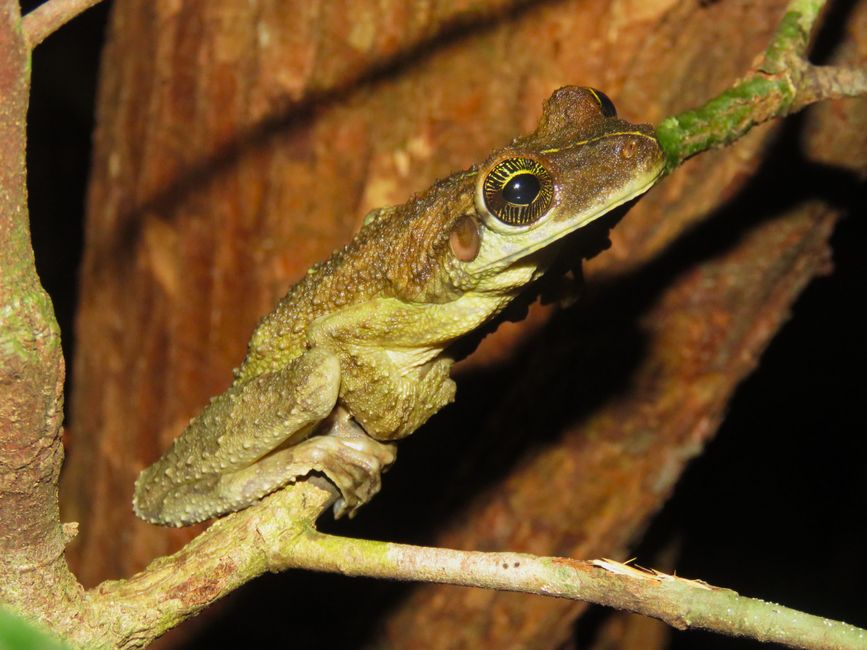
Chytrid Fungus in Frogs: The Brazil Crash Mystery
Decades after frogs vanished from Brazil's Atlantic Forest, museum jars revealed that the survivors were carrying the deadly chytrid fungus.
 🐸Amphibians
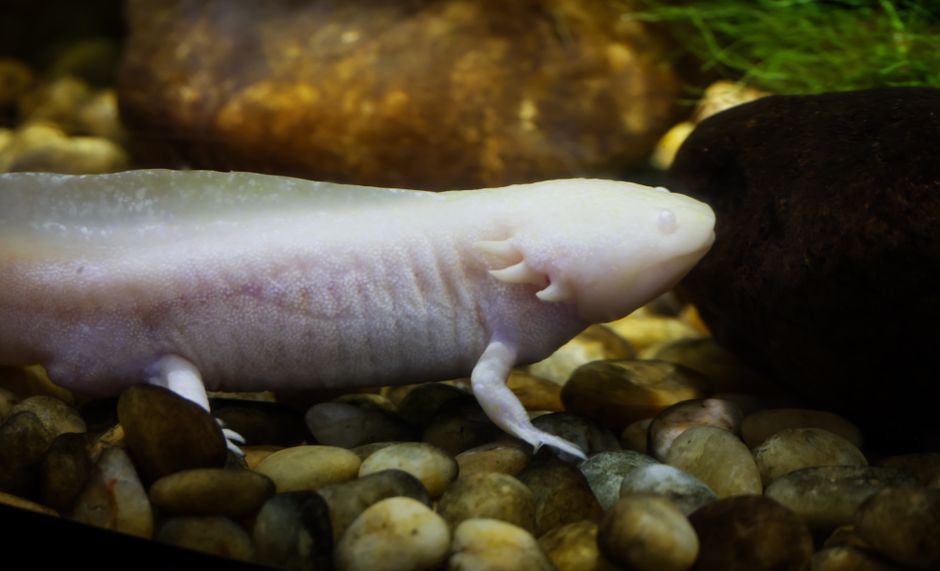
Hellbender Salamander Guide: Facts, Habitat, Care
Meet the hellbender salamander, North America's largest aquatic amphibian known as the snot otter, and discover why rivers need them.
 🐸Amphibians
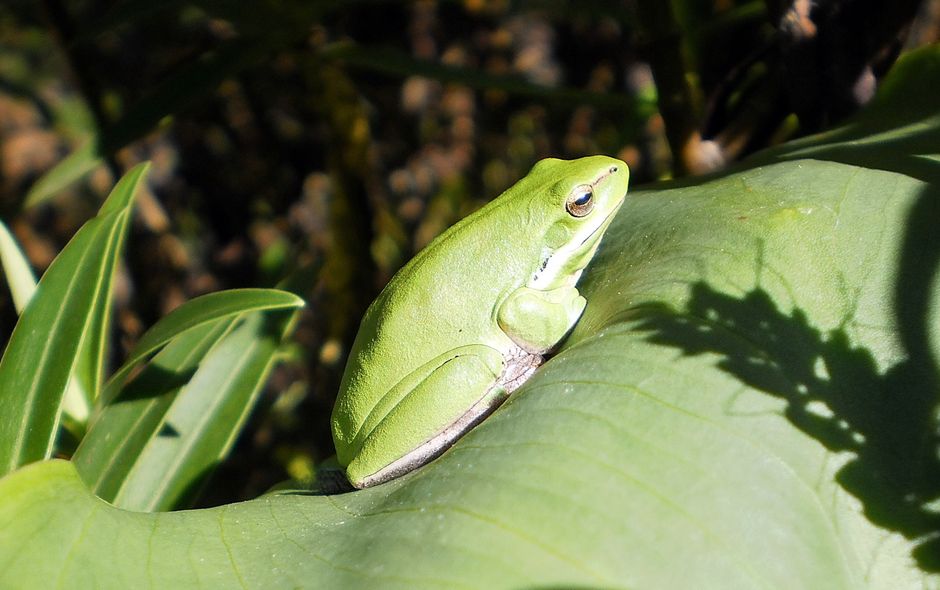
What Do White's Tree Frogs Eat? Complete Diet Guide
Discover the ideal feeder insects, safe portion sizes, and feeding schedules to keep your pet White's tree frog healthy and thriving.