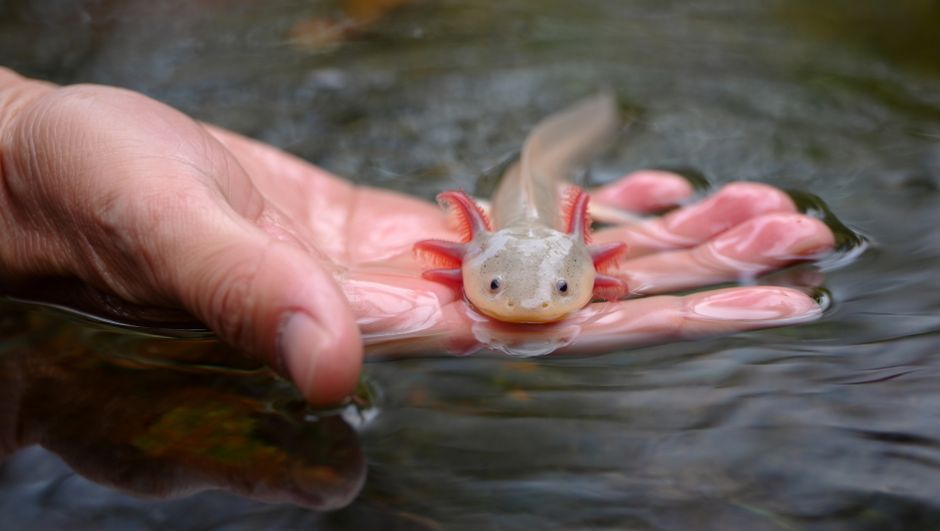
Axolotl Floating: Causes, Fixes, and When to Worry
Seeing your pet drift helplessly at the surface of the aquarium can send any owner into panic mode. An axolotl floating at the top of the tank is often dealing with trapped air in its digestive tract, mild gas from eating, or water quality stress, though some float briefly just for fun. When an axolotl cannot swim back down or tips to one side, it usually means something in their tank environment or diet needs quick attention.
Understanding your pet's normal habits makes all the difference. While occasional floating is harmless, persistent surface time requires a methodical check of your water, filter flow, and recent feeding schedule.
Is It Normal for an Axolotl to Float?
Axolotl floating is normal when it happens voluntarily and briefly, as these salamanders sometimes drift near the surface to explore or catch a breath of air. However, it becomes abnormal if the animal struggles to swim back to the bottom or repeatedly bobs upward against its will.
Healthy axolotls spend most of their hours resting on the substrate or hiding in cool cave decor. They do have working lungs in addition to external gills, so you might see yours swim up to gulp air, swallow a bubble, and slowly drift back down. When they choose to float, their body remains straight and level, and they can dive back down without frantic paddling.
The trouble begins when buoyancy takes over completely. If your pet looks visibly frustrated, curls its tail, or tilts at an awkward angle, they are no longer floating for recreation. That is your signal to step in and inspect the habitat closely.
What Causes an Axolotl to Float?
Trapped intestinal gas is the single most common reason an axolotl floats involuntarily, usually caused by gulping air during feeding or digesting rich foods. Poor water quality, warm tank water, high water filter flow, and constipation can also force your pet to the surface.
Because these animals ingest food by creating a sudden vacuum with their mouths, they frequently swallow air along with their meal. That swallowed air sits in the stomach or gut, acting like a tiny life jacket. Until the gas passes through their digestive system or gets burped out, the animal remains buoyant.
High water flow from a powerful filter can also confuse your pet's balance. Axolotls dislike water currents. A strong stream can push them upward, stress them, and cause them to gulp excess air at the top. Much like the delicate aquatic habitats discussed in our sea turtle rescue coverage, captive amphibians rely entirely on stable, peaceful water conditions to maintain their physical comfort.
Swallowed Air Bubbles and Gas Buildup
Young axolotls and juveniles are especially prone to gas buildup because their bodies are small and light. Floating pellets or live worms near the surface encourage them to snap violently at the waterline, taking in large pockets of atmospheric air.
Constipation also traps gas behind compacted waste. If your pet has gone several days without passing a bowel movement, internal pressure builds up and shifts their center of gravity, lifting their hindquarters toward the water surface.
Poor Water Parameters and Temperature Spikes
Warm water holds less dissolved oxygen, prompting an axolotl to swim to the surface repeatedly for atmospheric air. When tank temperatures climb above safe amphibian limits, the animal experiences systemic stress, leading to frequent gulping and sudden buoyancy problems.
Ammonia spikes and uncycled water also irritate an axolotl's delicate skin and external gills. Irritated gills cannot pull oxygen efficiently from the water column, leaving the animal starved for oxygen and gasping at the surface.
How to Help a Floating Axolotl
To help a floating axolotl, first test your water parameters for ammonia, nitrite, and nitrate, then reduce filter water flow to create calm, still conditions. If the animal swallowed gas, placing them in a shallow container of cool, treated water often relieves the pressure safely.
A shallow tub setup allows your pet to rest its feet flat on the bottom while still being fully submerged. Feeling stable ground eliminates swimming panic and reduces stress, which speeds up normal digestion and gas expulsion. Always ensure the quarantine tub water is fully dechlorinated and matches the main tank temperature.
Here are practical steps you should take immediately to resolve buoyancy issues in your aquarium:
- Test the water immediately with a liquid test kit to confirm zero ammonia and zero nitrite.
- Turn down the filter return or add a baffle to break strong surface currents.
- Lower the water level in a temporary tub so your pet touches the bottom without floating up.
- Skip feeding for one to two days to allow any trapped gut gas or mild constipation to clear naturally.
- Keep the tank dim and quiet to reduce cortisol and stress reactions while your pet recovers.
Always research a species' full adult needs before buying exotic pets, especially regarding delicate water chemistry and cooling requirements. Most buoyancy scares resolve within twenty-four to forty-eight hours once the digestive tract empties and water conditions calm down.
When Does Floating Signal a Medical Emergency?
Floating is a medical emergency when an axolotl floats upside down, develops a bloated round belly, or displays curled gills alongside tail bends. These signs point to severe bacterial infection, organ failure, or impaction rather than simple swallowed air.
Impaction happens when an axolotl ingests gravel or loose tank substrate while hunting food. Small stones cannot pass through the narrow digestive tract, causing a physical blockage that produces massive gas and internal inflammation. An impacted animal will often float tail-high or sideways and refuse all food.
Floating upside down, also called an inverted float, indicates extreme weakness or fluid retention in the abdomen. If you notice your pet cannot right itself, has pale frayed gills, or exhibits pink, inflamed skin patches, consult an exotic-animal veterinarian for specific guidance and targeted treatment. Never attempt home medications or salt baths without veterinary instruction, as an axolotl's permeable skin absorbs chemicals rapidly.
Final Thoughts
Finding your axolotl floating can feel frightening, but simple gas bubbles and mild flow issues are often the primary culprits. By checking your water quality, offering a shallow resting tub, and giving the digestive tract time to settle, most pets return to their normal bottom-dwelling routines quickly. Explore our other RarePetCare guides to learn more about keeping your exotic aquatic pets healthy, safe, and thriving.
Frequently Asked Questions
Can an axolotl die from floating?
Floating itself is not fatal, but the underlying cause, such as high ammonia, severe impaction, or systemic infection, can be dangerous if left uncorrected.
How long can an axolotl float safely?
A healthy axolotl may float for a few hours at a time, but involuntary floating lasting beyond twenty-four hours requires your direct attention.
Does cold water help a floating axolotl?
Cool water calms an axolotl's metabolism, but you should only fridge an axolotl under specific veterinary advice, as improper chilling causes extreme shock.
Why is my axolotl's rear end floating up?
A floating hindquarter usually indicates trapped gas in the lower intestines or mild constipation that has not yet passed.
Explore More Amphibians Guides
 🐸Amphibians
Frogs in Swimming Pools: Why They Visit and How to Help
Discover why frogs end up around your pool, how chlorine affects their skin, and practical ways to rescue them safely.
 🐸Amphibians
Chytrid Fungus in Frogs: The Brazil Crash Mystery
Decades after frogs vanished from Brazil's Atlantic Forest, museum jars revealed that the survivors were carrying the deadly chytrid fungus.
 🐸Amphibians
Hellbender Salamander Guide: Facts, Habitat, Care
Meet the hellbender salamander, North America's largest aquatic amphibian known as the snot otter, and discover why rivers need them.