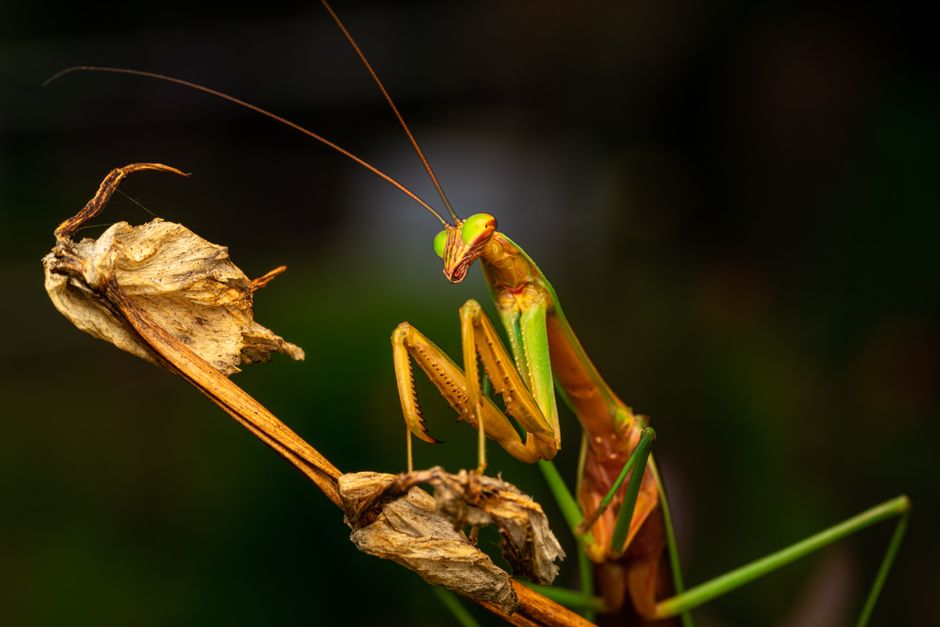
Praying Mantis Molting: Signs, Stages, and Safe Care
Few things worry a new insect keeper more than finding their pet hanging motionless from the top of its enclosure. Praying mantis molting is the natural biological process where a mantis sheds its rigid outer exoskeleton so its body can grow larger and develop adult wings. Because their soft new skin leaves them completely defenseless, understanding this cycle helps you keep your pet safe during its most vulnerable hours.
As an insect parent, seeing the subtle cues ahead of time makes all the difference. When you know what is coming, you can adjust feeding, protect humidity, and avoid disturbing your pet at the wrong moment.
What Are the Most Common Praying Mantis Molting Signs?
The clearest praying mantis molting signs include a sudden refusal to eat food, sluggish movement, and spending long periods hanging upside down from a high branch or mesh lid. Mantises also show swollen wing buds in older nymphs and a dull, slightly cloudy look to their exoskeleton just before the shed begins.
Refusing food is usually the very first hint. A mantis that lunged at crickets yesterday may suddenly swat prey away or turn its head and ignore food entirely. This fasting can last anywhere from one day to nearly a week depending on the age of your insect. Swollen wing buds along the thorax are another reliable visual cue in sub-adult nymphs, signaling that the final adult molt is near.
Physical Changes on the Body
Watch the abdomen and joints closely. Ahead of a molt, the abdomen often appears plump and stretched even though the mantis has not eaten recently. The outer skin loses its glossy sheen and takes on a chalky or pale tint as fluid builds up between the old cuticle and the new one underneath.
Behavioral Shifts in the Enclosure
Your mantis will seek out a secure, elevated perch with plenty of clear vertical space underneath. It uses its back claws to anchor firmly to netting, twigs, or mesh. Once it settles into position, it stays remarkably still, occasionally pumping its abdomen to loosen the old shell. If you notice your pet doing this, leave it undisturbed.
How Long Does the Molting Process Take?
The active process of slipping out of the old exoskeleton takes between twenty minutes and two hours, but full recovery requires another twenty-four to forty-eight hours while the new cuticle hardens. Younger nymphs shed their skins much faster than large sub-adults undergoing their final transition into winged adults.
Patience is essential during this waiting period. The mantis splits the back of its neck and slowly eases its head, antennae, raptorial arms, and abdomen out of the cast skin. It then hangs suspended while its legs dry enough to grip a perch.
Never touch, move, or spray a mantis while it is emerging. Interrupting this delicate phase can cause your pet to slip and fall, leading to fatal deformities. Like many exotic invertebrates sold in the pet hobby, these creatures need stable enclosure conditions to thrive. Sourcing captive-bred insects from ethical breeders is just as important as it is when avoiding issues like tarantula smuggling in the exotic pet trade.
What Should You Do While Your Mantis Is Molting?
The most important action you can take while your mantis is molting is to leave the enclosure completely alone and ensure no live prey insects remain inside. Live feeder crickets and roaches can chew on a soft, freshly emerged mantis, causing catastrophic wounds or death within minutes.
Check the bottom of the enclosure for hiding feeder insects as soon as your pet starts showing pre-molt behavior. If you see any stray prey, remove it immediately with soft-tipped feeding tweezers. Maintain adequate room humidity by lightly misting the sides of the tank once daily, but never spray water directly onto a molting insect.
Preventing and Handling Mismolts
A mismolt occurs when a mantis fails to free itself cleanly from its old skin or falls mid-shed before its body hardens. Falls happen most often when the enclosure roof lacks textured grip, such as plastic lids that claws cannot hold onto securely.
- Ensure the enclosure provides at least three times the length of the mantis in vertical hanging space.
- Line the enclosure ceiling with plastic craft mesh or breathable fabric rather than bare glass or slick plastic.
- Keep humidity consistent, as dry air causes the insect to get trapped inside the drying cuticle.
- Avoid moving the enclosure, bumping the table, or opening the door during active shedding.
If your pet gets stuck, do not pull on the limbs. In minor cases where only a foot or antenna is trapped, mist the area gently with room-temperature water to soften the cast skin. Young nymphs can often regenerate missing limbs during subsequent molts, but severe body twists require dedicated support and observation.
How to Care for a Praying Mantis After Molting
After a successful molt, do not offer any live food for at least twenty-four to forty-eight hours so the new exoskeleton and mouthparts have time to fully harden. Keep the enclosure quiet, maintain gentle humidity, and let the insect rest undisturbed until it begins walking around actively on its own.
Offering food too soon can crack the soft raptorial claws or damage delicate mouthparts. Wait until your mantis moves freely across branches before introducing a small, easy-to-catch prey item such as a fruit fly or soft waxworm.
You can leave the discarded skin, known as an exuvia, in the tank or remove it with tweezers after the mantis walks away. Unlike some reptiles that eat their shed skin, mantises simply leave it behind. Researching your specific species needs before buying is a vital welfare practice, and if your insect suffers a major fall or puncture, consulting an exotic veterinarian or experienced entomologist provides the best path forward.
Final Thoughts
Recognizing early praying mantis molting signs gives you the power to protect your pet through every fragile growth stage. By removing live feeders, providing a secure grip at the top of the cage, and giving your insect space to dry, you ensure each shed goes smoothly. Explore our other RarePetCare guides to learn more about keeping fascinating invertebrates happy and thriving in your home.
Frequently Asked Questions
Can a praying mantis regrow lost legs after a bad molt?
Yes, young mantis nymphs can regenerate missing limbs across several molts, though adult mantises with fully developed wings can no longer shed or regrow legs.
Why is my praying mantis twitching before a molt?
Gentle twitching and abdomen pumping are normal movements used to separate the old skin from the new cuticle and create space to emerge.
Should I feed my praying mantis right after it finishes shedding?
No, you should wait at least one to two days for the jaws and body to harden before offering live prey.
How many times does a pet praying mantis molt in its life?
Most praying mantis species molt six to nine times from hatching until they reach full adult size.
Explore More Invertebrates Guides
 🕷️Invertebrates
Tarantula Smuggling: How to Spot and Stop It
Learn how tarantula smuggling threatens wild ecosystems and how exotic invertebrate keepers can verify ethical, captive-bred pets.
 🕷️Invertebrates
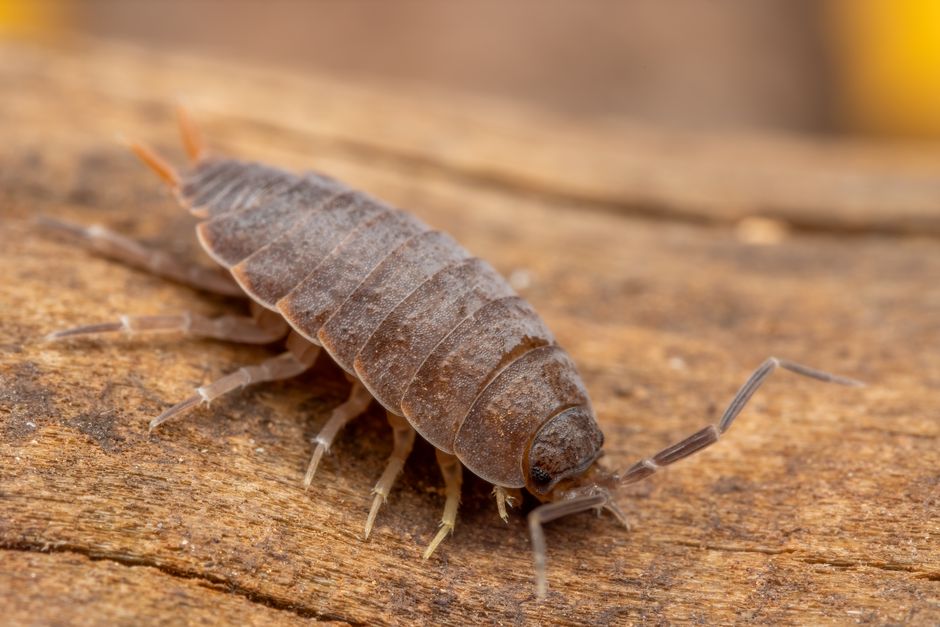
Why Are My Isopods Dying? 5 Common Causes and Fixes
Discover why your isopods are dying, how to spot humidity and airflow mistakes, and practical steps to save your colony.
 🕷️Invertebrates
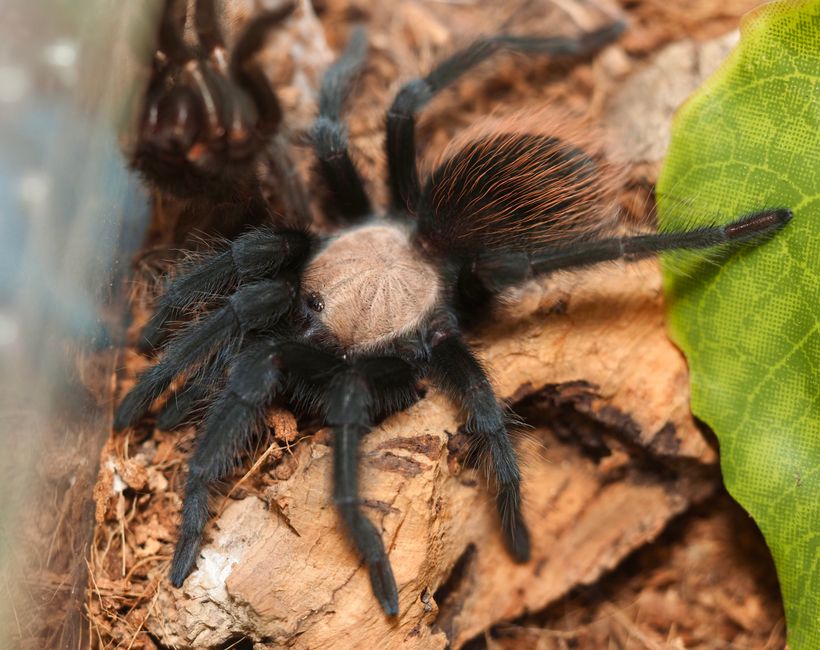
Tarantula on Its Back: Molting Signs and What to Do
Discover why a tarantula turns on its back, how to spot molting signs, and the critical rules for keeping your pet safe.