
Tarantula Smuggling: How to Spot and Stop It
When customs officers at Jorge Chavez International Airport in Lima, Peru noticed bulging luggage with moving clothing, they uncovered thousands of live arachnids hidden inside socks. Tarantula smuggling is the illegal capture and unauthorized transport of wild spiders across borders, driven largely by high black-market demand from exotic pet collectors. This illicit trade puts wild ecosystems in danger, stresses delicate animals to the point of exhaustion, and undermines responsible invertebrate keepers who prioritize ethical sourcing.
As invertebrate enthusiasts, pet parents want to ensure that every eight-legged companion in their collection has a safe background. Learning about the realities of wild poaching helps protect wild species and preserves the joy of keeping these fascinating creatures at home.
What Happened During the Peru Airport Tarantula Bust?
Customs agents at the Lima airport intercepted a traveler attempting to smuggle thousands of wild tarantulas, centipedes, and stinging ants packed tightly inside socks and taped plastic containers beneath their clothing. Inspectors noticed unusual bulges and slight movements around the suspect\'s body, which prompted an immediate physical inspection that revealed the concealed wildlife cargo.
Officials discovered roughly three thousand tarantulas, many of them tiny spiderlings alongside larger native Peruvian species. These animals had been collected directly from the wild rainforest without permits or sanitary inspections. Smugglers often target native habitats across South America because juvenile spiders can be packed into extremely compact containers, making them easy to hide in personal baggage.
The seized spiders were transferred directly to Peruvian wildlife authorities and rescue centers for emergency evaluation. Sadly, illegal transit conditions cause extreme stress, dehydration, and high mortality rates among invertebrates. This incident highlighted how brazen illegal exporters have become when targeting collectors in Europe and North America.
Why Does Tarantula Smuggling Happen in the Pet Trade?
Tarantula smuggling happens because wild-caught spiders cost almost nothing for poachers to collect, allowing illicit traders to make huge profits by selling rare species to overseas buyers. Breeding slow-growing spiders in captivity takes months or years of careful work, which creates high market prices that poachers try to undercut.
Certain tarantula species take up to ten years to reach mature breeding size. When a hobbyist wants a newly discovered color form or a rare geographic locality, the demand can tempt unscrupulous sellers to harvest directly from the wild. In some source countries, poverty and limited economic opportunities also lead local residents to collect spiders for small sums paid by international trafficking rings.
Similar enforcement struggles affect other delicate wildlife groups around the globe. For instance, conservationists face parallel challenges in protecting reptiles, as seen in the pig-nosed turtle threats and Papua rescue plan where wild harvesting threatens wild survival. The exotic pet hobby must confront these pressures directly by holding sellers accountable for the origins of their stock.
The Environmental Impact on Native Habitats
Removing thousands of apex invertebrate predators from a localized area disrupts entire jungle micro-ecosystems. Tarantulas play a vital role in keeping insect, small rodent, and frog populations balanced on forest floors. When poachers strip an area of mature females, that localized population may take decades to recover, or it may collapse entirely.
How Can Keepers Identify Poached vs Captive-Bred Tarantulas?
Keepers can identify poached tarantulas by asking for documentation of captive lineage, inspecting the spider for physical signs of wild capture, and checking whether the species is legally exported from its native country. Captive-bred specimens are almost always offered as small, uniform spiderlings with clear lineage documentation from established breeders.
Wild-caught specimens often display telltale clues that point to collection from the field. You can protect wild populations by learning what to look for before completing any purchase.
- Inspect the spider for external parasites, missing leg segments, bald abdomen patches, or worn carapace surfaces typical of rough outdoor life.
- Check the seller\'s track record to confirm they openly document their breeding pairings, egg sac pulls, and incubation dates.
- Ask for the exact country of origin and legal export paperwork if you are considering purchasing an adult imported spider.
- Be suspicious of sellers who have sudden bulk quantities of mature adults or unclassified species labeled only by field location.
Ethical keepers also maintain clean environments for all terrarium inhabitants. If you keep companion clean-up crews alongside your spiders, learning why isopods die and how to fix common causes can help you build stable, parasite-free enclosures that support your pets over the long haul.
What Are the Legal Risks and Penalties of Wildlife Trafficking?
Wildlife trafficking penalties for illegal tarantula trade include heavy fines, felony criminal charges, seizure of collections, and multi-year prison sentences under both international treaties and domestic laws. The Convention on International Trade in Endangered Species, commonly known as CITES, restricts the commercial movement of threatened tarantula genera without strict permits.
In the United States, the Lacey Act makes it an automatic federal crime to import, export, transport, sell, or purchase any wildlife taken in violation of state, federal, or foreign law. That means even if a buyer did not physically smuggle the spider, buying a tarantula that was illegally exported from Peru remains a punishable federal offense.
Source nations like Peru, Brazil, and Mexico have tightened their own border controls and environmental protection laws. Travelers caught with concealed wildlife can face direct detention in foreign penal facilities. Enforcement agencies now routinely monitor online classifieds, social media groups, and pet expos to catch illegal shipments before they reach buyers.
How Can You Support Ethical Spider Breeding?
You can support ethical spider breeding by buying only from verified captive breeders, demanding proof of captive-bred status, and refusing to purchase wild-caught imports. True captive breeders take pride in sharing photos of their mature pairs, egg sacs, and incubator setups with potential buyers.
Before bringing any new pet into your home, research its full adult housing, diet, and lifespan requirements to ensure you can provide proper lifelong care. Taking the time to locate a reputable breeder ensures your pet starts life healthy and free from the trauma of illegal transport.
Ask questions at reptile and exotic expos before handing over money. Inquire about the exact age of the spider, when it last molted, and how long the vendor has worked with the species. Responsible breeders welcome these questions because they care about where their animals go and want to stomp out illegal collection.
Final Thoughts
Combating tarantula smuggling requires every exotic pet owner to make conscious, informed choices that put animal welfare and conservation above the hunt for cheap or unusual specimens. By insisting on captive-bred spiderlings from transparent hobbyists, we protect wild ecosystems while building a humane community for arachnid lovers. Take time to read our other practical care guides on RarePetCare to keep your exotic pets healthy, happy, and responsibly sourced.
Frequently Asked Questions
Are all pet tarantulas taken from the wild?
No, the vast majority of commonly kept pet tarantulas are bred successfully in captivity by dedicated hobbyists and commercial breeders.
Why do smugglers use socks to transport tarantulas?
Smugglers use socks because the fabric is soft, breathable, and slightly elastic, which keeps spiders immobilized and prevents them from biting through thin luggage walls.
What is the difference between wild-caught and captive-bred tarantulas?
Captive-bred tarantulas are hatched and raised under managed human care with known lineages, while wild-caught specimens are stripped directly from natural outdoor habitats.
Can you legally own tarantulas protected by CITES?
Yes, you can legally own CITES-listed tarantulas provided they were captive-bred and acquired through legitimate, permitted trade channels.
Explore More Invertebrates Guides
 🕷️Invertebrates
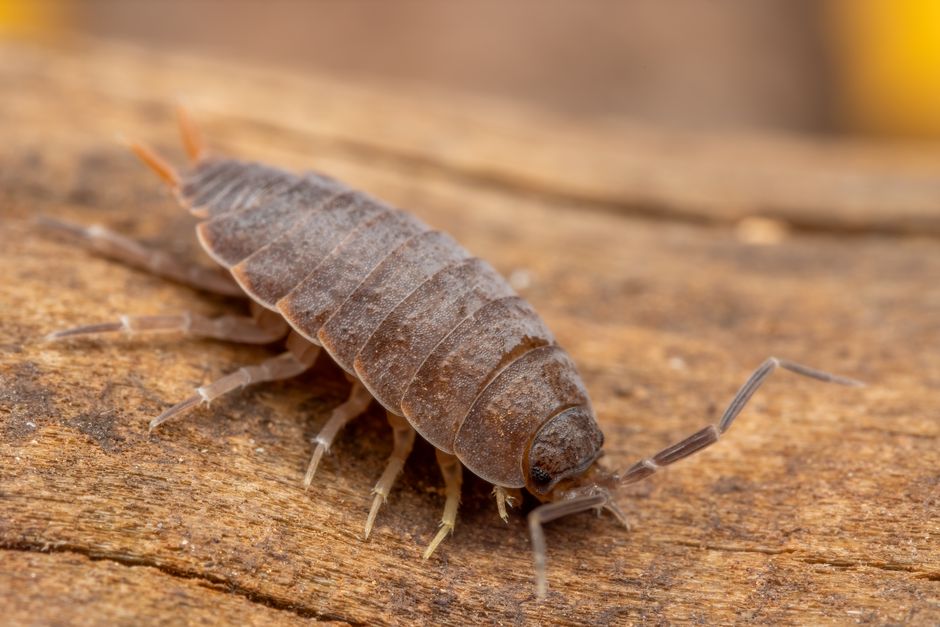
Why Are My Isopods Dying? 5 Common Causes and Fixes
Discover why your isopods are dying, how to spot humidity and airflow mistakes, and practical steps to save your colony.
 🕷️Invertebrates
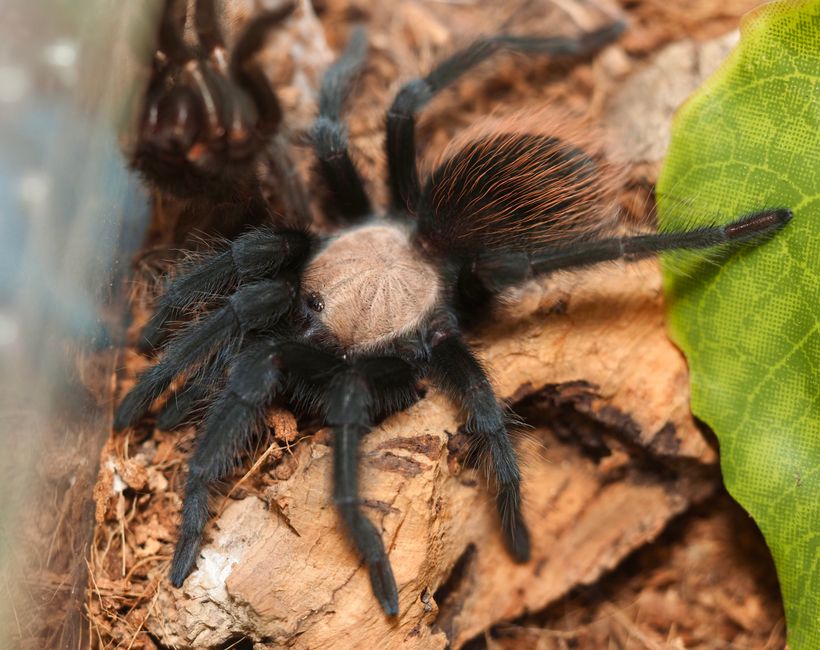
Tarantula on Its Back: Molting Signs and What to Do
Discover why a tarantula turns on its back, how to spot molting signs, and the critical rules for keeping your pet safe.
 🕷️Invertebrates
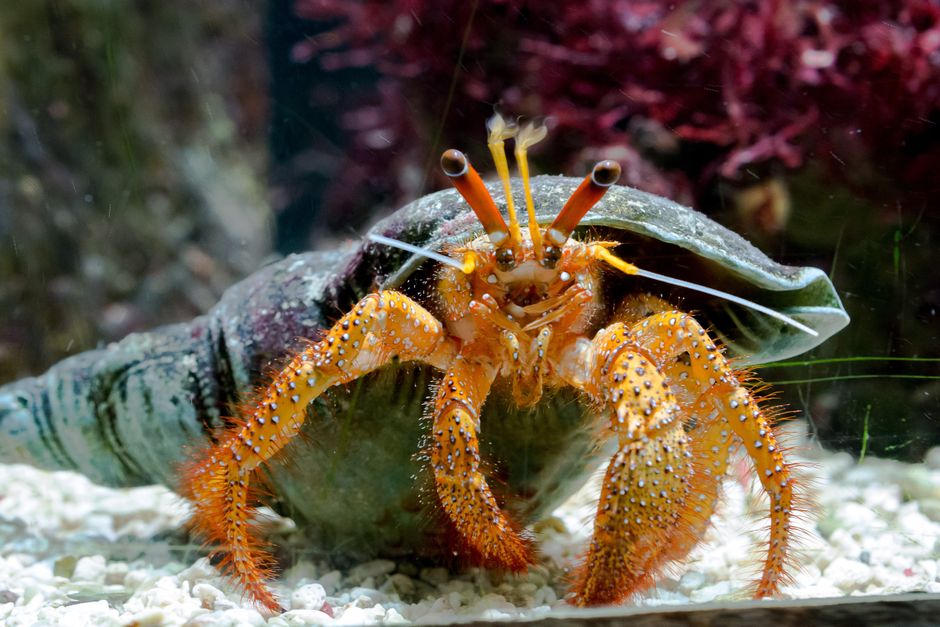
Hermit Crab Out of Shell: Causes and Quick Fixes
A naked hermit crab is an emergency. Discover why crabs leave their shells and the exact steps to get them back inside safely.