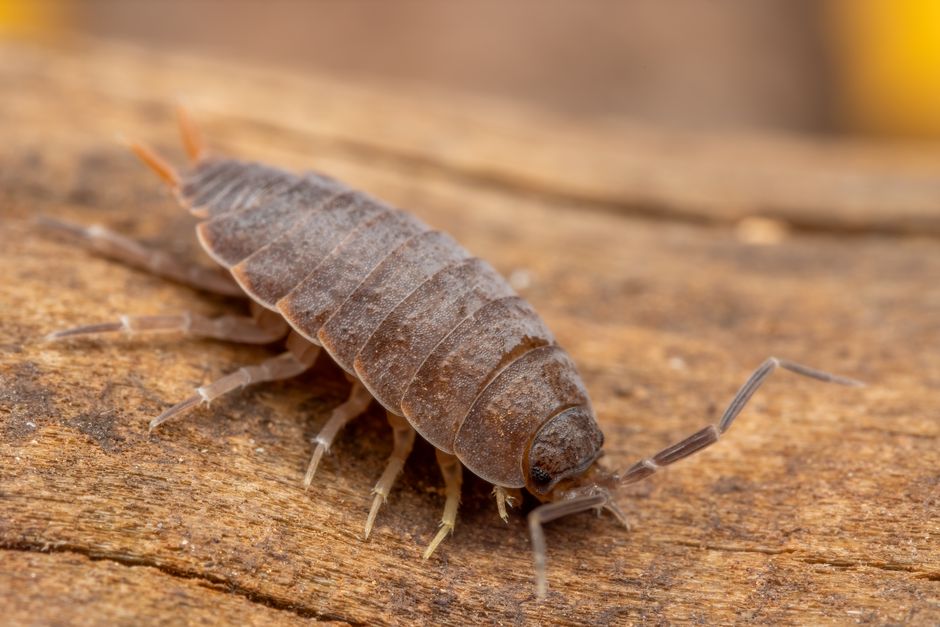
Why Are My Isopods Dying? 5 Common Causes and Fixes
Finding dead isopods in your terrarium is frustrating and alarming. If you are asking why are my isopods dying, the answer usually comes down to improper moisture, lack of ventilation, food spoilage, molting failure, or temperature extremes. Isopods breathe through delicate gills called pleopodal lungs, making them extremely vulnerable when humidity or airflow falls out of balance.
These tiny crustaceans make fantastic pets and bioactive cleanup crews, but a sudden colony crash can happen fast. Fortunately, most isopod die-offs give early warning signs before your entire bin is lost. Once you understand their basic biological needs, you can easily troubleshoot the habitat and get your colony thriving again.
Is the Enclosure Too Dry or Too Wet?
The single most common reason isopods die is an incorrect moisture level inside their enclosure. Isopods require consistent dampness to breathe, but stagnant, oversaturated soil will suffocate them just as quickly as dry air will dehydrate them.
Because isopods have modified gills, they dry out rapidly if their substrate loses its moisture. When an enclosure is completely bone-dry, you will often find dead isopods curled up in balls on the surface. Conversely, when the soil is completely waterlogged, isopods cannot find oxygen pockets and drown in the mud.
The best way to prevent this issue is to establish a clear moisture gradient across the tub. Keep one side of the container lightly damp with moist sphagnum moss, and leave the opposite side completely dry. This simple setup allows your isopods to choose the exact level of hydration they need at any given moment.
How to Check Substrate Moisture Correctly
You can test your substrate moisture with a quick squeeze test. Pick up a handful of dirt from the damp side and squeeze it firmly in your fist. If water drips out freely, the soil is far too wet and needs more dry leaf litter or better airflow. If the soil crumbles into dusty powder without holding shape, it is too dry, and you should mist it immediately with dechlorinated water.
Does Your Isopod Bin Have Enough Ventilation?
Poor ventilation kills isopods by trapping stale air, carbon dioxide, and harmful gases inside the container. High humidity combined with zero airflow creates a stagnant, anaerobic environment that leads to rapid colony die-offs within days.
Many beginners seal their plastic storage bins too tightly in an effort to keep humidity high. Without adequate air holes, mold blooms explode, beneficial soil bacteria die, and your isopods slowly suffocate. You want humid air that moves, not static, swampy air that stays trapped under a sealed lid.
Check your enclosure design to make sure air can actually circulate across the surface of the soil. Adding small, mesh-covered drill holes along both sides creates cross-ventilation, which lets fresh air enter one side and exit the other. If you notice a foul, sour smell when opening the bin, your ventilation is dangerously low and needs immediate correction.
Are Mold, Pests, or Spoiled Food Causing Problems?
Spoiled food and toxic mold outbreaks frequently wipe out captive isopod colonies. While isopods eat decaying organic matter, fresh supplemental treats like vegetables, fish flakes, and fruits rot quickly in humid conditions, producing harmful ammonia and predatory pests.
Overfeeding is an easy trap for enthusiastic keepers. Leaving large chunks of wet food in the bin encourages thick blooms of fuzzy white or grey mold. While harmless molds are normal in bioactive setups, aggressive mold carpets can trap tiny mancae, which are baby isopods, and smother developing juveniles before they can escape.
Rotting food also attracts unwelcome pests such as fungus gnats, phorid flies, and grain mites. While mites rarely bite isopods directly, thousands of mites will outcompete your colony for food and crowd out developing young. To keep your enclosure safe and clean, follow these practical maintenance steps:
- Feed supplemental foods in tiny portions that your colony can finish within 24 to 36 hours.
- Remove any uneaten fresh food immediately if you see discoloration or fuzz forming.
- Add a healthy population of springtails, which naturally outcompete harmful molds and fungus.
- Always research a species' full adult needs before buying them for your collection, as some rare varieties require specialized diets.
Are Your Isopods Failing to Molt?
Molting failure is another hidden killer that explains why are my isopods dying without obvious habitat damage. Isopods shed their hard exoskeletons in two distinct phases, shedding the back half first and the front half several days later, and they need proper minerals and moisture to finish the job.
If an isopod lacks calcium, it cannot form a healthy new exoskeleton beneath its old shell. The old skin hardens into a tight trap, causing the isopod to get stuck halfway through the shed. You can recognize a molting death when you spot an isopod that appears two-toned, with one half dull and chalky and the other half shiny, unable to walk or crawl.
Dehydration during the molting process also cements the old shell directly to the isopod. Always keep a steady source of calcium inside the enclosure at all times. Natural cuttlebone, crushed eggshells, and limestone powder provide cheap, continuous calcium that isopods can graze on whenever they prepare to shed.
The Role of Leaf Litter and Wood
Beyond calcium, isopods require a thick blanket of decaying hardwood leaves and rotten wood to thrive. Leaves are not just bedding, they are their primary daily diet. If your isopods only have dirt and occasional kitchen scraps, their digestive systems suffer. A continuous layer of pesticide-free oak, maple, or beech leaves provides the baseline nutrition and shelter that keeps molts clean and stress levels low.
Is the Temperature Damaging Your Colony?
Extreme temperatures, especially sudden heat spikes, can wipe out an entire isopod bin in a single afternoon. Most common pet species thrive at comfortable room temperatures, but drafty windows or nearby heat lamps can push enclosures past safe limits.
Exposing plastic bins to direct sunlight is a frequent mistake. Direct sunlight hits the plastic and creates a rapid greenhouse effect, baking the soil and superheating the humid air inside. Cold drafts can also stall colony reproduction and make isopods sluggish, but excessive heat is almost always fatal within hours.
Keep your bins in an interior room away from direct window light, radiators, and heating vents. If you keep isopods inside a bioactive reptile tank, such as an enclosure for a lizard following our guide on Bearded Dragon Shedding: Signs, Timeline, and Care, always make sure the isopods have deep soil and moist hiding spots beneath logs on the cool side of the tank so they can escape overhead basking heat.
Final Thoughts
Understanding why are my isopods dying comes down to watching your moisture gradient, providing steady cross-ventilation, and supplying constant leaf litter and calcium. Once you fix the environmental balance, surviving isopods bounce back quickly and start reproducing again. Explore our other invertebrate and exotic pet care guides on RarePetCare to keep all your habitat critters healthy and thriving.
Frequently Asked Questions
How can I tell if an isopod died from drying out?
Dehydrated isopods are usually found curled up tightly or lying brittle on the dry substrate surface with no signs of fungal growth.
Can isopods drown in a shallow water bowl?
Yes, isopods cannot swim and will easily drown in open water dishes, so you should only provide moisture through damp moss and misting.
How often should I mist my isopod enclosure?
Most keepers mist the damp side of their enclosure two to three times a week, depending on room humidity and bin ventilation.
Do dead isopods smell bad?
A single dead isopod has no noticeable smell, but a massive colony die-off produces a distinct, sour fishy odor inside the bin.
Explore More Invertebrates Guides
 🕷️Invertebrates
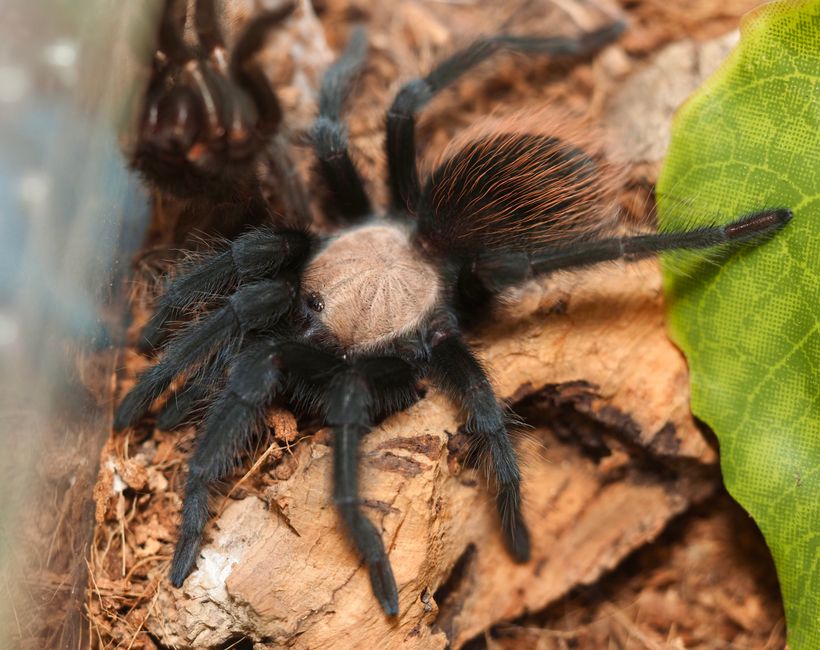
Tarantula on Its Back: Molting Signs and What to Do
Discover why a tarantula turns on its back, how to spot molting signs, and the critical rules for keeping your pet safe.
 🕷️Invertebrates
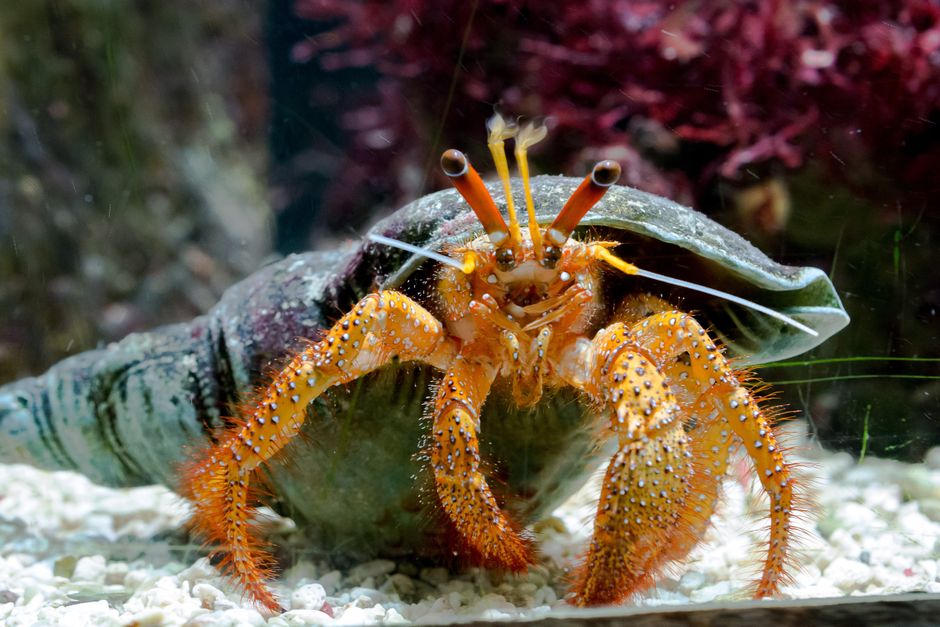
Hermit Crab Out of Shell: Causes and Quick Fixes
A naked hermit crab is an emergency. Discover why crabs leave their shells and the exact steps to get them back inside safely.
 🕷️Invertebrates
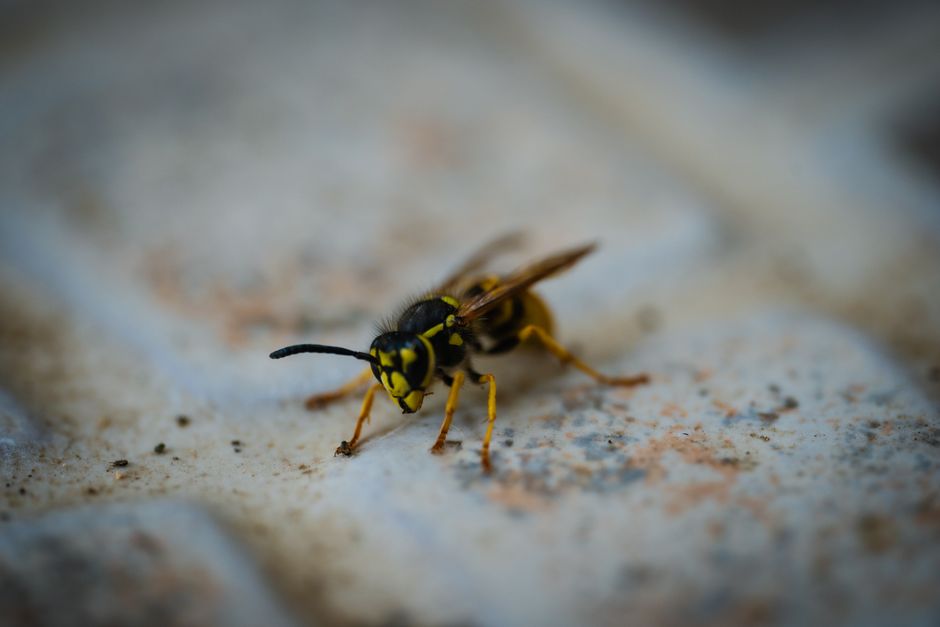
Are Yellowjackets Dangerous? Sting Risks and Safety
Learn how dangerous yellowjackets really are, what their venom does, and how to protect yourself and your outdoor pets from painful attacks.