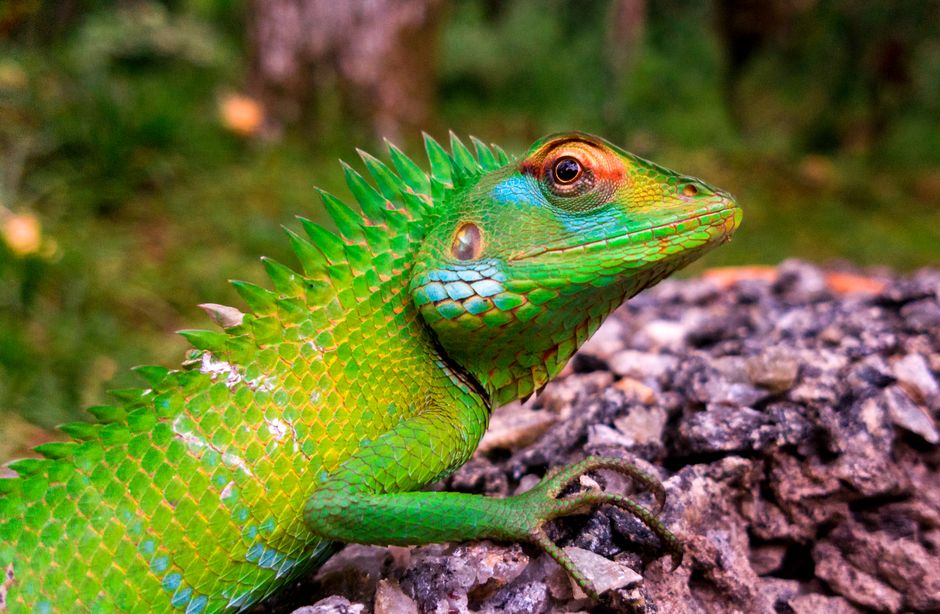
Rare Lizards Most People Have Never Seen
Nature has produced some truly bizarre reptiles that remain hidden from public view. Rare lizards are reptile species with tiny natural populations, extreme micro-habitats, or physical traits found nowhere else on Earth. While common pet species like bearded dragons and geckos are familiar to millions of homes, these elusive creatures survive in tiny pockets of the planet.
Understanding these creatures offers valuable insight into reptile biology and the delicate ecosystems they require to survive. Here is a closer look at what defines them, why they stay hidden, and seven of the most unusual species known to science.
What Makes a Lizard Species Rare?
A lizard species is considered rare when it has a severely restricted geographic range, tiny wild population numbers, or specialized habitat requirements that make survival precarious. Many rare reptiles only exist on single mountain peaks, remote volcanic slopes, or isolated forest fragments.
Extreme specialization is one of the most common reasons a species stays rare. When a reptile evolves to eat only one type of insect or live within a narrow microclimate, it cannot expand to neighboring areas. Changes to rainfall or canopy cover can threaten the entire wild population in a single season.
Cryptic behavior and camouflage also play a large role in perceived rarity. Some lizards spend their lives buried beneath loose sand or deep within leaf litter, making field sightings extraordinarily uncommon. Biologists often spend years surveying known territories before documenting a single live individual.
What Are the Most Unique Rare Lizards in the World?
The most unique rare lizards include species with extreme evolutionary traits, such as the pink land iguana found on a single volcano and the thumbnail-sized nano-chameleon of northern Madagascar. These animals demonstrate how isolation drives unusual physical adaptations and colors.
The Galápagos Pink Land Iguana
The Galápagos pink land iguana lives exclusively on the slopes of Wolf Volcano on Isabela Island. It displays salmon-pink skin accented with dark grey stripes along its back. Because its entire global population is confined to one active volcanic summit, scientists monitor its numbers closely to prevent sudden extinction from eruptions or invasive predators.
The Nano-Chameleon
Measuring smaller than an adult fingernail, the nano-chameleon is one of the smallest known amniote vertebrates on the planet. Found in degraded montane rainforests of northern Madagascar, it hunts tiny springtails along the forest floor. Its minute size makes it virtually invisible against fallen leaves and twigs, shielding it from both predators and human discovery until recent decades.
The Earless Monitor Lizard
Native to the lowlands of Borneo, the earless monitor looks like a living miniature dragon with rough, keeled scales and pale golden eyes. It lacks external ear openings and spends most of its time hunting crabs and fish in cool, slow-moving jungle streams at night. While keepers familiar with monitors may read about how to find an escaped monitor lizard, tracking an earless monitor in its native peat swamp requires specialized field expertise.
The Pinocchio Anole
Discovered in the cloud forests of Ecuador, this slender anole sports a long, flexible nasal horn on the snout of adult males. Researchers believed this lizard was extinct for decades until night surveys rediscovered small colonies roosting on thin tree branches. The horn is soft rather than rigid, and biologists believe males use it for courtship displays rather than physical combat.
The Campbell's Alligator Lizard
This striking arboreal lizard inhabits high-elevation pine-oak forests in Guatemala. It features vivid emerald-green scales, turquoise eyes, and a prehensile tail used to navigate dense moss-covered branches. Because it relies on old-growth canopy trees for shelter and food, logging has placed immense pressure on its small wild colonies.
The Chinese Crocodile Lizard
The Chinese crocodile lizard gets its name from rows of bony, raised scales running down its back and tail, closely resembling an alligator. It lives in cold, shallow mountain streams in southern China and northern Vietnam. When threatened, it dives underwater and can remain motionless for long stretches until danger passes.
The Armadillo Girdled Lizard
Inhabiting dry, rocky outcrops in western South Africa, this species possesses heavy spiny armor from head to tail. Instead of fleeing when cornered, it curls into a tight circle, grabs its own tail in its mouth, and presents a wall of sharp spines to predators. This defensive posture mimics the armadillo and makes the lizard nearly impossible for birds of prey to swallow.
Can You Legally Keep Rare Lizards as Pets?
Most endangered or extremely rare lizards cannot be kept legally as private pets because international wildlife laws and local conservation statutes protect them from trade. However, captive-bred specimens of select unusual reptiles are available to experienced keepers who have the proper permits and facilities.
Before acquiring any unusual reptile, owners must evaluate whether they can meet the animal's exact environmental needs for its entire natural lifespan. Many specialized lizards fail to thrive in captivity because they require rare feeder insects, precise humidity fluctuations, or expensive full-spectrum lighting. It is essential to research a species' full adult needs before buying any pet, and owners should consult an exotic-animal veterinarian whenever questions arise regarding care or diet.
For those starting out in the reptile hobby, well-established species make far better companions than wild-caught or threatened species. Learning standard husbandry through a reliable guide, such as crested gecko care for beginners, builds the observational skills needed before handling advanced reptiles.
How Can You Help Protect Rare Lizards in the Wild?
You can help protect rare lizards by supporting verified habitat conservation projects, avoiding wild-caught pets, and spreading awareness about reptile biodiversity. Protecting the wild places where these animals live is the most effective way to ensure their populations survive.
Here are several practical steps every reptile enthusiast can take:
- Buy only captive-bred reptiles from reputable breeders who document lineage and provide clear health guarantees.
- Avoid purchasing exotic animal souvenirs made from wild reptile skins, shells, or bones during international travel.
- Support land trusts and conservation groups that purchase and protect threatened cloud forests, coastal scrub, and island ecosystems.
- Participate in community science initiatives by logging wild reptile sightings on verified wildlife tracking apps.
Final Thoughts
Learning about rare lizards reminds us how diverse and adaptable the reptile branch of the animal kingdom truly is. Whether surviving on a single volcano or hiding beneath damp leaves on the forest floor, each species fills an irreplaceable niche. Explore our other RarePetCare guides to learn more about responsible husbandry, fascinating wildlife species, and practical advice for dedicated pet parents.
Frequently Asked Questions
What is the rarest lizard in the world?
The Galápagos pink land iguana is widely considered one of the rarest, with its tiny wild population restricted to a single volcano summit.
Why are some lizards so small?
Extreme dwarfism usually evolves on isolated islands where small body size helps lizards hunt tiny insects and avoid food competition.
Are rare lizards good pets for beginners?
No, rare lizards usually have delicate environmental requirements and complex diets that require advanced husbandry experience.
How do scientists find rare lizards in the wild?
Herpetologists conduct nocturnal surveys, search specific micro-habitats like leaf litter and tree hollows, and use genetic sampling from water sources.
Explore More Reptiles Guides
 🦎Reptiles
Reptile Media Kit Guide: Read, Pitch, and Advertise
Discover what a reptile media kit is, how publications share audience reach, and how exotic pet brands and keepers can work with magazines.
 🦎Reptiles
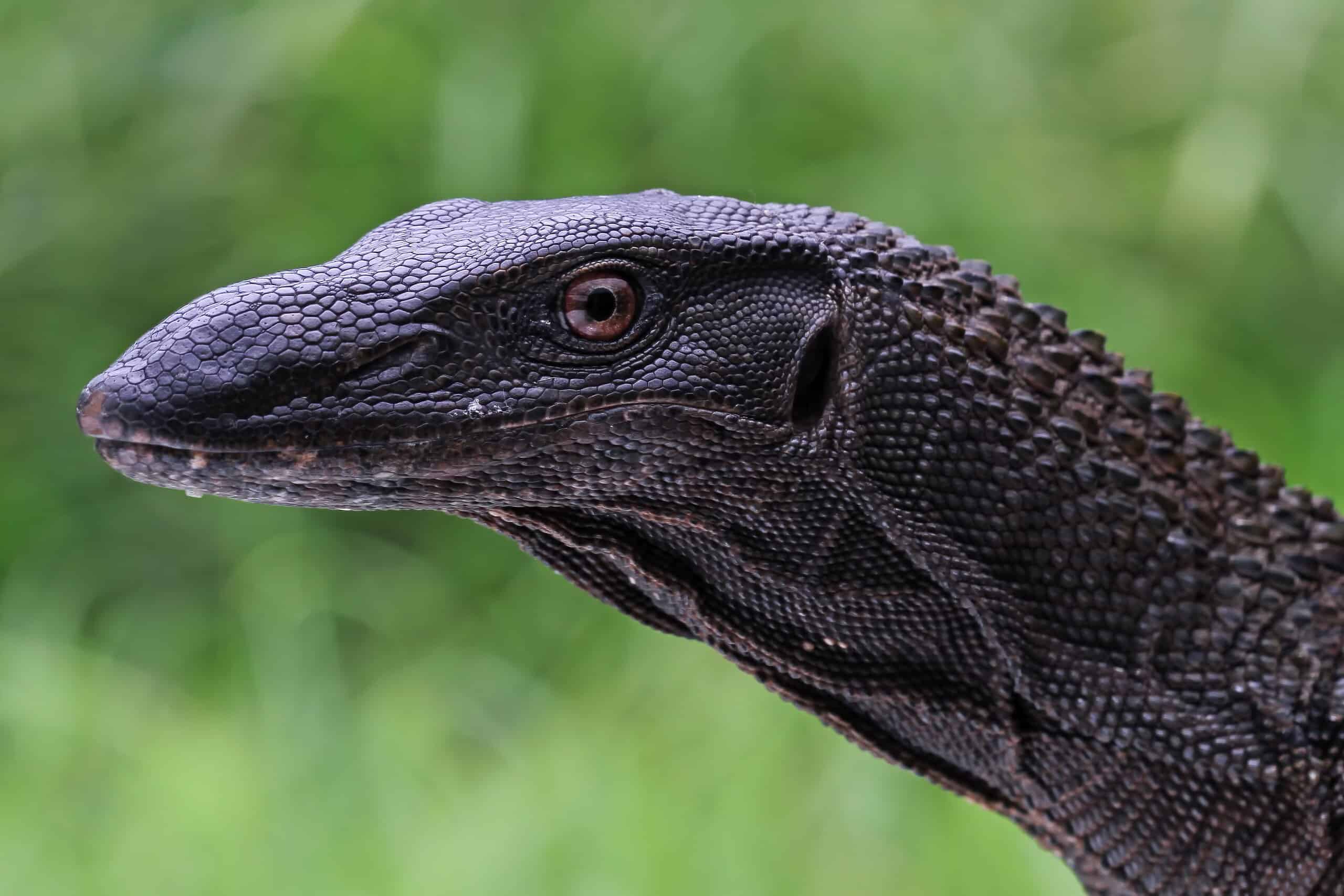
Escaped Monitor Lizard: How to Find and Secure Them
Learn how to find an escaped monitor lizard, why they break out, and the best ways to keep your reptile enclosure completely secure.
 🦎Reptiles
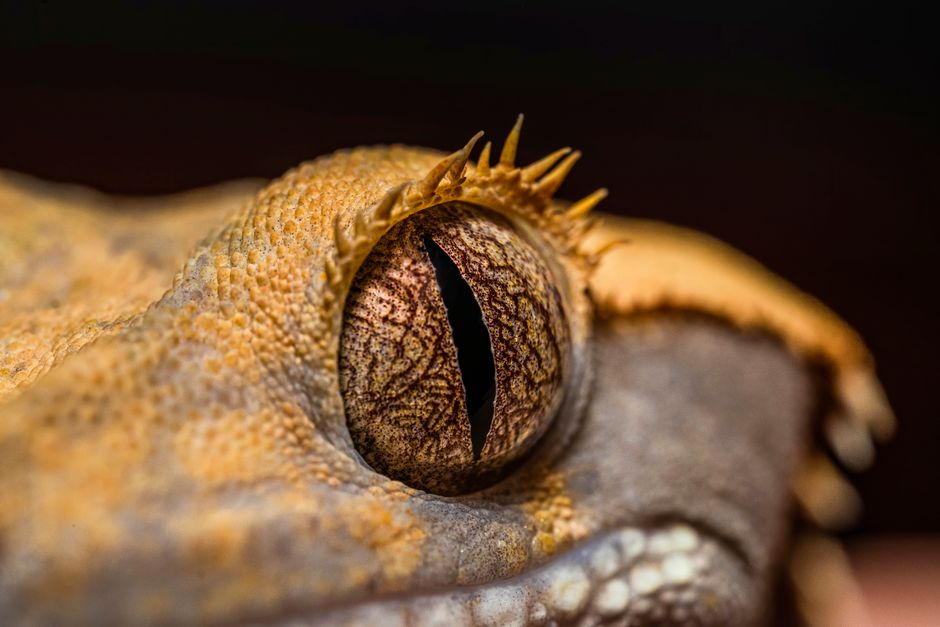
Crested Gecko Care for Beginners: Simple Step-by-Step Guide
Master crested gecko care for beginners with easy tips on vertical terrariums, powdered diets, misting schedules, and safe handling.