
Reptile Media Kit Guide: Read, Pitch, and Advertise
Finding reliable information or promoting an exotic pet project often leads keepers straight to heritage publications. A reptile media kit is an official document released by herpetology publishers that details audience demographics, website traffic, print circulation, and sponsorship options. Whether you run a captive breeding program, sell vivarium decor, or write care tutorials, understanding these media kits gives you a clear look into where the reptile community spends its attention.
What Is a Reptile Media Kit?
A reptile media kit is a comprehensive informational guide that exotic animal publications provide to advertisers, contributors, and partners to outline their reach and partnership costs. It acts as an official resume for a magazine or digital media group, showing exact reader numbers, distribution dates, and editorial themes for the upcoming year.
Traditional print publications and digital herpetology hubs create these packets each year. They summarize print subscriber counts, digital magazine downloads, monthly web visitors, and social media followers. This transparency allows businesses to see whether a publication aligns with their goals.
For everyday keepers, these documents also reveal what topics top magazines plan to highlight in coming issues. You can see when issues will focus on captive breeding, medical advances, vivarium lighting, or field conservation.
Core Components Found in Publisher Kits
Most publisher kits follow a structured format that breaks down their entire media operation into clear categories. When you review a kit, you will typically find the following elements:
- Circulation and digital traffic data, detailing the number of active subscribers and unique monthly page views.
- An editorial calendar, showing the primary theme or feature species planned for each issue throughout the year.
- Demographic breakdowns, revealing the age, income, experience level, and geographic location of the audience.
- Ad specifications and mechanical requirements, explaining image dimensions, file types, and submission deadlines.
- Contact directories, providing direct email addresses for editorial staff, marketing directors, and production managers.
Why Do Exotic Pet Businesses Need a Reptile Media Kit?
Exotic pet businesses need a reptile media kit to verify that an advertising channel reaches legitimate, active keepers before committing financial resources. Looking at a kit helps companies make informed decisions based on audited audience reach rather than guesswork.
Small businesses face unique hurdles in the specialty pet market. If you build specialized bioactive enclosures or breed popular beginner pets, your marketing must reach people who actually care for these animals. For example, if you produce diet blends or climbing branches for animals featured in our guide on crested gecko care for beginners, you want to place your message in an issue dedicated to arboreal lizards rather than aquatic turtles.
Media kits also show you standard pricing tiers across the industry. By reviewing rate cards across multiple publications, pet businesses can negotiate reasonable sponsorships, sponsored articles, and newsletter placements that match their budget.
How to Read Reptile Magazine Audience Demographics
Reading reptile magazine audience demographics requires checking verified print distribution, monthly web visits, email subscriber numbers, and the specific experience levels of the readership. A thorough demographic breakdown tells you whether readers are first-time owners, serious hobbyists, or professional breeders.
Many heritage magazines serve a dedicated segment of advanced herpetoculturists. These readers often care for unusual reptiles, such as those highlighted in our guide on rare lizards most people have never seen. If your project targets advanced keepers, look for demographic data showing long-term hobby involvement and multi-tank households.
Responsible publications also make room for ethical education within their media materials. High-quality platforms emphasize animal welfare by reminding readers to research a species' full adult habitat needs and connect with a qualified exotic veterinarian before bringing any animal home. Aligning your business with publications that support ethical keeping protects your brand and improves animal health across the community.
Spotting Red Flags in Readership Numbers
Not every media packet offers clear or accurate information. Being able to spot potential red flags protects your time and your budget:
- Vague circulation numbers that lump free promotional handouts together with paid, loyal subscribers.
- Outdated web traffic statistics that have not been updated within the past twelve months.
- Inflated social media counts that show thousands of followers but almost zero comments, likes, or shares on daily posts.
- Missing editorial calendars, which suggests a disorganized publishing schedule and unpredictable release dates.
- Lack of clear contact details or refusal to share third-party traffic verification reports upon request.
How to Pitch Articles or Products Using a Reptile Media Kit
You can pitch articles or products using a reptile media kit by matching your pitch to the publisher's editorial calendar deadlines and contacting the relevant editor or ad coordinator listed in the document. The editorial calendar gives you the exact schedule of upcoming topics, making it easy to pitch relevant stories months in advance.
Magazines work far ahead of schedule. An issue covering desert geckos in November might close its editorial submissions by June or July. When you check the editorial deadlines inside a publication guide, you can submit your drafts or product review requests at the exact moment editors are planning that issue.
When pitching an editor, keep your note brief and directly connected to an upcoming theme. Introduce yourself as an experienced keeper or business owner, explain what makes your perspective unique, and outline how the piece helps pet parents care for their animals better.
What Does the Future of Reptile Pet Media Look Like?
The future of reptile pet media combines traditional print journalism with interactive digital formats, social educational channels, and community-driven video content. Modern media kits increasingly feature newsletter sponsorships, podcast spots, and video integrations alongside traditional full-page magazine ads.
Readers today consume herpetological care info across multiple platforms. A pet owner might read a detailed magazine feature on reptile nutrition, then watch a video breakdown of proper UV lighting, and finally subscribe to an email newsletter for weekly species highlights.
Because audiences are spread across different formats, publishers continue to diversify their offerings. A modern kit now provides options for every budget size, allowing local breeders and small artisans to buy targeted digital spots without purchasing costly print back covers.
Final Thoughts
Studying a reptile media kit gives keepers, creators, and business owners a clear view of how information moves through the exotic animal community. By reviewing audience metrics and editorial calendars carefully, you can make smarter decisions about where to share your stories, advertise your products, and connect with fellow enthusiasts. Take a look at our other RarePetCare guides to learn more about keeping exotic pets happy and healthy in your home.
Frequently Asked Questions
How much does it cost to advertise in a reptile magazine?
Advertising costs vary widely depending on placement, ranging from affordable classified listings to full-page print spreads or multi-channel digital packages. You can find exact pricing tiers listed directly on the publication's official rate card.
What is an editorial calendar in a pet publication?
An editorial calendar is an annual schedule that outlines the primary themes, featured species, and deadlines for each upcoming issue. Writers and advertisers use it to submit articles and schedule product campaigns around relevant topics.
Can independent hobby breeders advertise in reptile magazines?
Yes, independent breeders frequently advertise captive-bred animals through breeder directories and classified sections in reptile publications. These community-focused spaces are generally priced much lower than full-page commercial display ads.
Where do you download a publication's media kit?
Most reptile magazines provide their media kit as a free downloadable PDF in their website footer or advertising section. If a link is not available online, you can email the publication's marketing department to request a copy directly.
Explore More Reptiles Guides
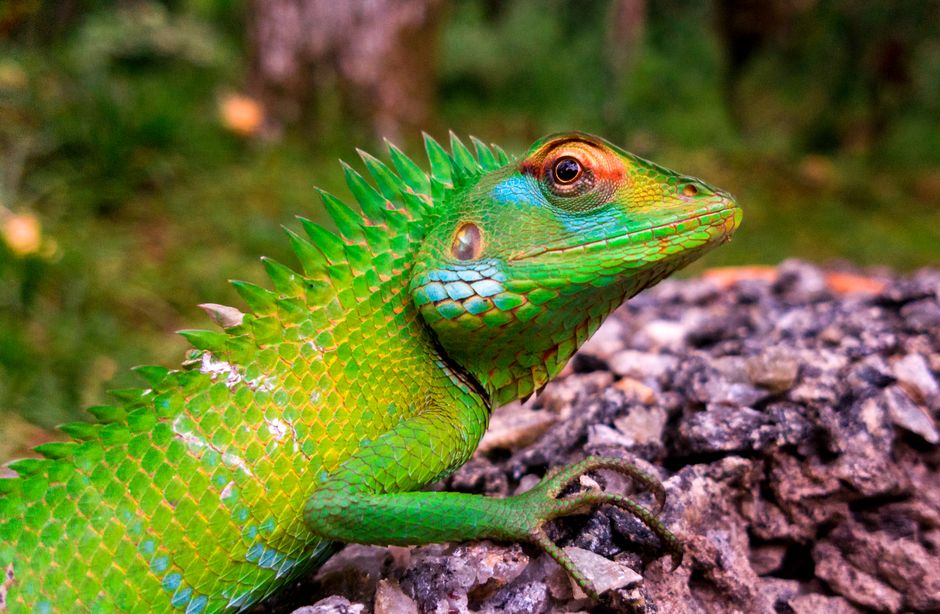 🦎Reptiles
Rare Lizards Most People Have Never Seen
Meet seven of the rarest, most unusual lizards on Earth and discover how specialized habitats shape their remarkable features.
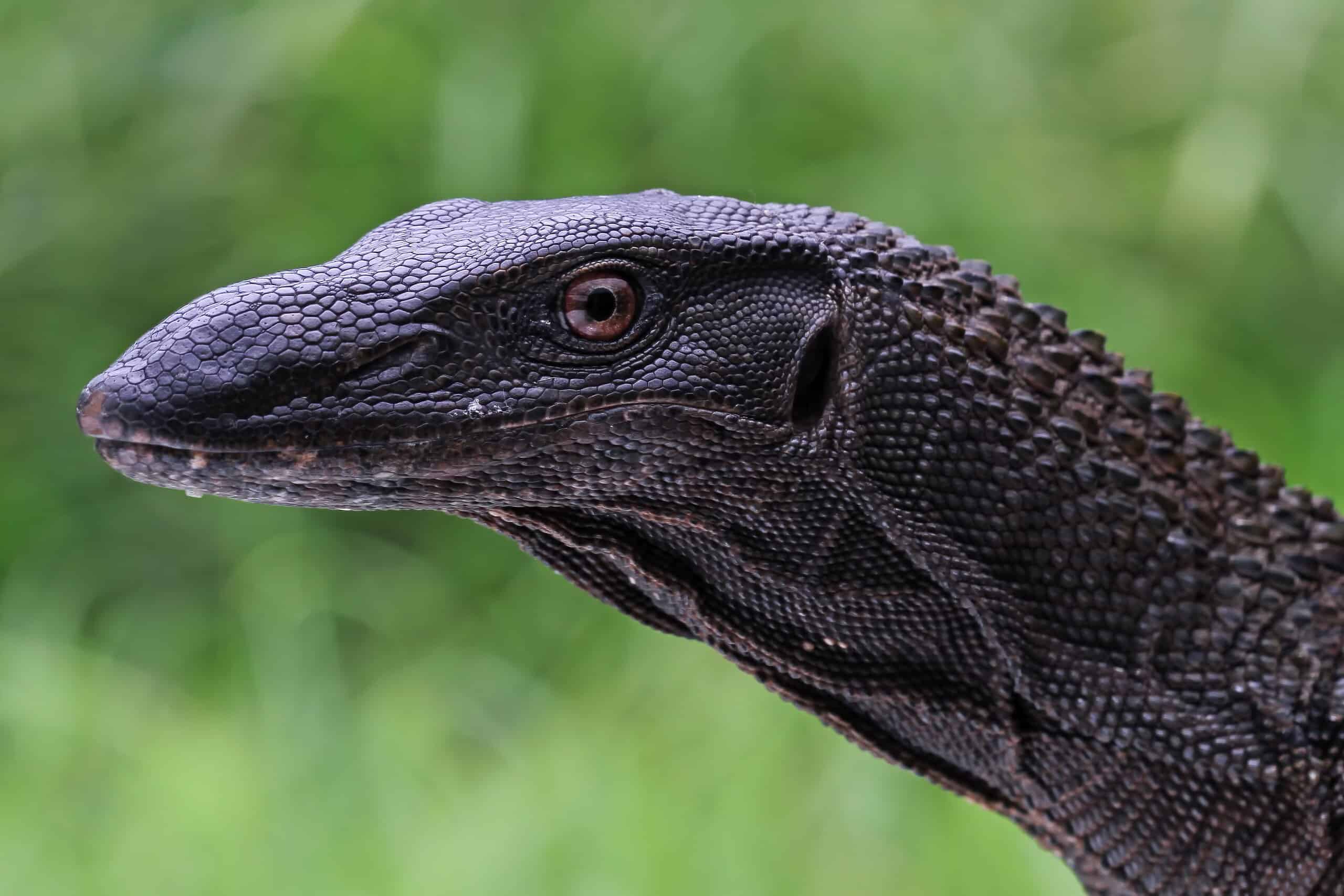 🦎Reptiles
Escaped Monitor Lizard: How to Find and Secure Them
Learn how to find an escaped monitor lizard, why they break out, and the best ways to keep your reptile enclosure completely secure.
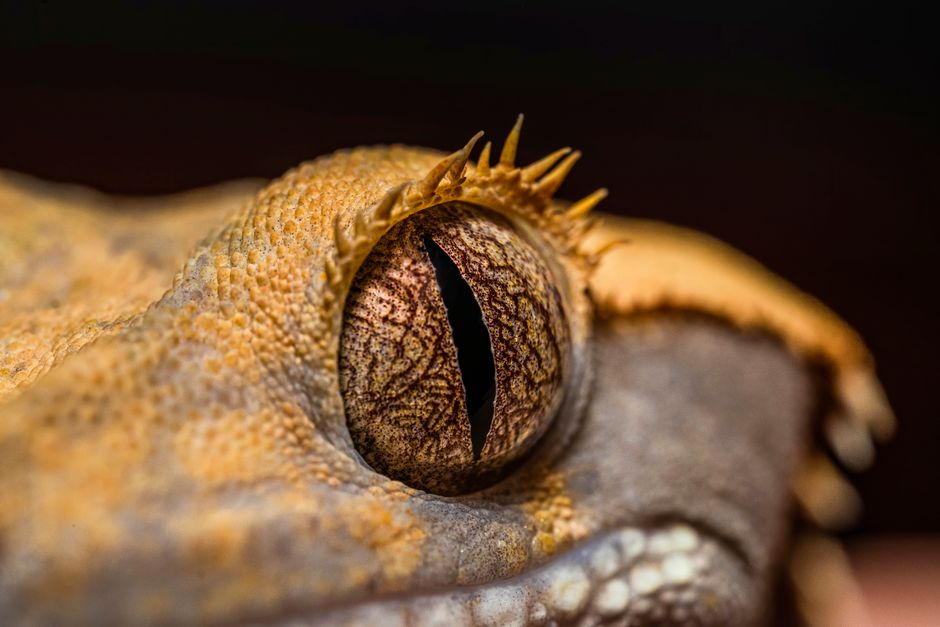 🦎Reptiles
Crested Gecko Care for Beginners: Simple Step-by-Step Guide
Master crested gecko care for beginners with easy tips on vertical terrariums, powdered diets, misting schedules, and safe handling.